

Many Christians believe in a future event called the rapture, where believers are taken to heaven. Some interpret biblical passages like 1 Thessalonians 4:16-17 literally and think it will happen before or after the Tribulation. Others see these scriptures as symbolic or believe the event may not happen at all. Understanding these different views can help you see how Christian teachings vary. Keep exploring to discover more about what different traditions believe.
Key Takeaways
- The belief in the Rapture is based on biblical passages like 1 Thessalonians 4:16-17, but interpretations vary between literal and symbolic readings.
- Historically, the concept gained prominence in the 19th century through dispensationalist teachings, influencing modern evangelical views.
- Different Christian traditions hold diverse perspectives: some expect a pre-tribulation Rapture, others a post-tribulation or do not emphasize it.
- The timing and significance of the Rapture shape theological debates, influencing moral living and community preparedness among believers.
- Views on the Rapture impact evangelism, hope, and how Christians interpret divine justice and future divine intervention.

Drsman 66-Page Bible Study Guide & Devotional Journal – PU Leather Cover, Scripture Summaries, Daily Reflections | Beginner-Friendly Spiritual Growth Notebook | Christian Gift Idea (Brown)
Comprehensive Bible Study Structure – 66 guided pages designed to help you record key scriptures, insights, prayers, and…
As an affiliate, we earn on qualifying purchases.
As an affiliate, we earn on qualifying purchases.
The Biblical Foundations of the Rapture

The concept of the Rapture is rooted in several key biblical passages that believers interpret as predicting a future event where Christians are taken up to meet Christ. Prophetic symbolism plays a significant role in these scriptures, especially in 1 Thessalonians 4:16-17 and 1 Corinthians 15:52, where Paul describes believers being caught up in the clouds. These verses serve as the foundation for many Rapture theories. However, theological debates arise over their meaning, with some interpreting them literally and others allegorically. Critics argue that the passages are often taken out of context or misread. Additionally, differing interpretations of biblical prophecy contribute to the ongoing discussion about the Rapture’s timing and significance. Despite differing views, these scriptures remain central to understanding the biblical basis for the Rapture, shaping how believers anticipate this future event.

The Book of Signs: 31 Undeniable Prophecies of the Apocalypse
As an affiliate, we earn on qualifying purchases.
As an affiliate, we earn on qualifying purchases.
Historical Development of Rapture Beliefs
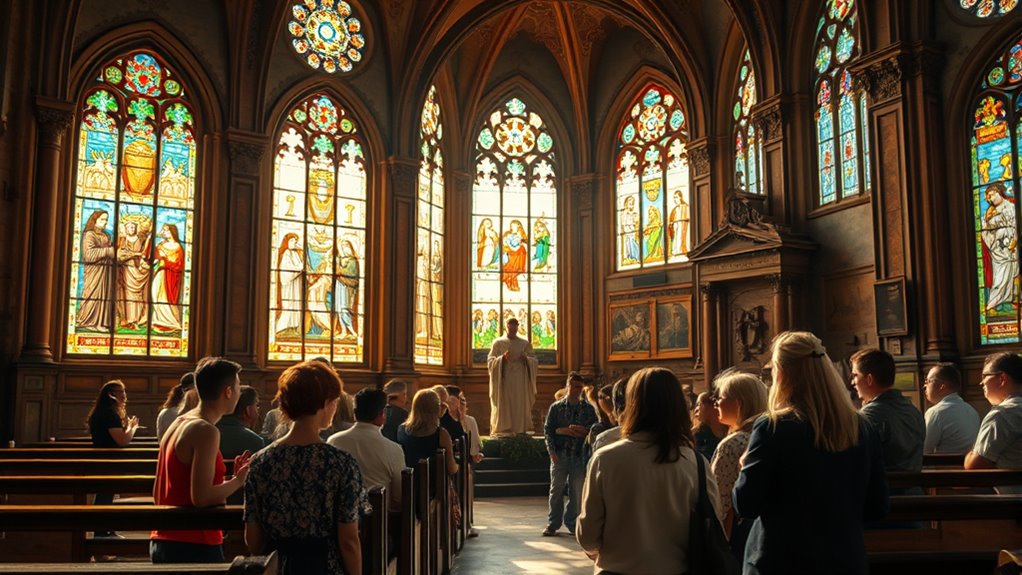
Understanding how beliefs about the Rapture evolved over time reveals a complex history shaped by theological interpretations and cultural influences. Early Christian eschatological symbolism focused on prophetic narratives describing end-times events, but the idea of a sudden, personal Rapture wasn’t prominent. It wasn’t until the 19th century that John Nelson Darby popularized the concept within dispensationalism, emphasizing a pre-tribulation Rapture. This interpretation drew on biblical prophetic narratives, blending them with new eschatological symbolism to create a distinct view. Over the years, these beliefs gained traction through popular books and teachings, shaping modern perspectives. Recognizing this development helps you appreciate how historical contexts and interpretative frameworks influenced the evolving understanding of the Rapture, moving from symbolic prophecy to a more literal expectation. Additionally, the rise of Cultural Intelligence has facilitated the global dissemination of these diverse eschatological ideas, influencing how different communities interpret end-times narratives.

Holy Cow! End Times Prophecy Just Got Real: Decoding the Mysteries of the Last Days and the Good News of Jesus' Return
As an affiliate, we earn on qualifying purchases.
As an affiliate, we earn on qualifying purchases.
Different Interpretations of Key Scriptures

Different interpretations of key scriptures shape how believers understand the Rapture. You’ll find that biblical passages like 1 Thessalonians 4:16-17 and Revelation 3:10 are read through various lenses. Some see eschatological symbolism as symbolic of spiritual truths rather than literal events, influencing views on prophetic timing. Others interpret these texts as describing real, future events that will unfold precisely as written. The debate often centers on:
- Whether the scriptures refer to a literal event or symbolic meaning
- How eschatological symbolism impacts understanding of prophetic timing
- The context of apocalyptic language and its influence on different views
Your perspective depends on how you interpret these scriptures—either as literal predictions or symbolic representations—shaping your view of the Rapture’s nature and timing. Additionally, understanding how Dog Names are chosen can reflect cultural or personal values that influence how believers interpret prophetic texts.

Christian Theology
As an affiliate, we earn on qualifying purchases.
As an affiliate, we earn on qualifying purchases.
The Pre-Tribulation Viewpoint

Many believers who hold the pre-tribulation viewpoint assert that Christians will be raptured before the Great Tribulation begins. They believe this rapture timing allows believers to escape the intense suffering and judgment coming on the world. This view emphasizes a clear distinction between the church and Israel, highlighting eschatological nuances that suggest God’s wrath is reserved for the wicked. Proponents argue that Scripture, such as 1 Thessalonians 4:16-17, supports an imminent rapture, occurring before any signs of tribulation. They see this as a comforting promise of deliverance and divine protection. The pre-tribulation perspective shapes how you interpret prophetic passages, emphasizing God’s mercy in sparing believers from the worst of the end times, and maintains that the rapture is a separate event from Christ’s second coming.
The Post-Tribulation Perspective

The Post-Tribulation perspective sees the rapture happening after a period of intense suffering on earth. You’ll find that it aligns Jesus’ second coming with the final events in the timeline of end-times. Understanding this view helps clarify how believers will experience tribulation before being taken up to meet Christ. Additionally, this perspective emphasizes the importance of Comfort Solutions for Sofa Beds and other well-being tips to help believers maintain resilience during challenging times.
Timeline of Events
How does the timeline of events unfold from the post-tribulation perspective? You believe that believers will endure the Great Tribulation first, experiencing intense suffering. After this, Christ’s return occurs visibly and triumphantly, marking the end of prophetic timing. The final events include the resurrection of the righteous, the judgment of the nations, and the establishment of God’s kingdom on Earth. Eschatological symbolism highlights the culmination of God’s plan, tying events together in a coherent sequence. The timeline emphasizes that Christians must remain faithful through tribulation, trusting that God’s timing aligns with prophecy. The sequence is characterized by a series of decisive, visible acts that confirm God’s sovereignty and the fulfillment of biblical promises. This view underscores God’s control over end-time events, unfolding in divine order. Recognizing the importance of perseverance can help believers find comfort and strength during these challenging times, ensuring they stay aligned with faithful endurance as foretold.
Jesus’ Second Coming
From the post-tribulation perspective, Jesus’ Second Coming is a visible and triumphant event that follows the intense suffering of believers during the Great Tribulation. You see this event as the culmination of eschatology debates, where Christ returns visibly to defeat evil and establish His kingdom. Unlike pre-tribulation views, this perspective emphasizes that believers must endure tribulation before His arrival. Prophetic symbolism, such as the clouds and angels, underscores the certainty and glory of His return. You believe that Jesus’ Second Coming will be unmistakable, marked by cosmic upheaval and the gathering of His saints. This event signifies victory over darkness and the fulfillment of biblical prophecy, ensuring that God’s promises are fulfilled in history and eternity.
The Mid-Tribulation and Other Views

Have you ever wondered when the rapture will occur in relation to the tribulation? The mid-tribulation view suggests it happens halfway through the tribulation period, aligning with certain end times prophecy interpretations. This perspective sees the rapture as a moment of deliverance before the worst of the tribulation’s hardships. Some believe the rapture symbolism indicates a clear separation of believers from suffering, while others see it as a continuation of the end times prophecy. Key ideas include:
- The rapture occurs at the tribulation’s midpoint
- Believers face some tribulation before the rapture
- It emphasizes God’s timing in end times events
This view offers a unique balance, highlighting God’s sovereignty and the importance of readiness.
Perspectives From Various Christian Denominations
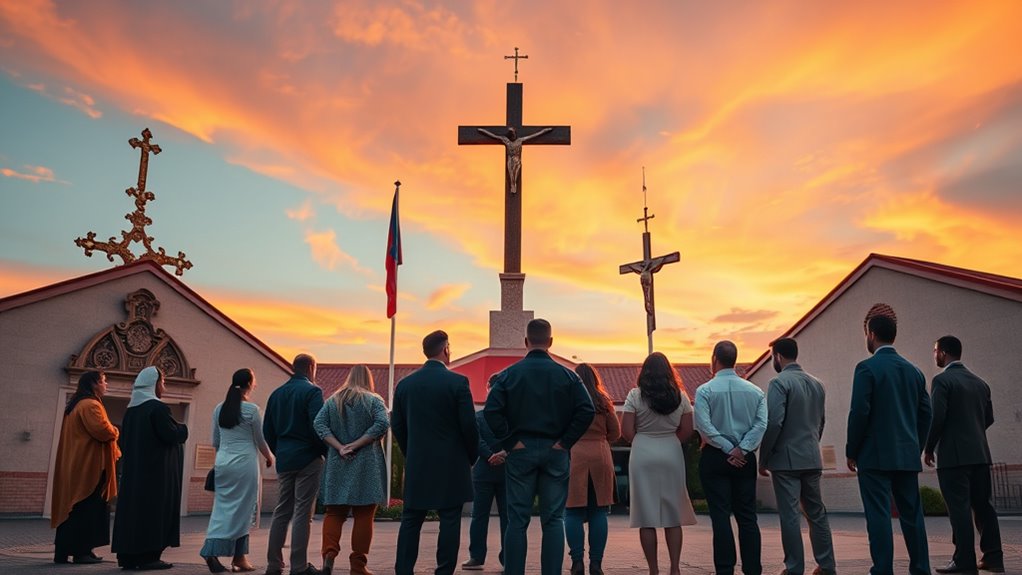
Different Christian denominations interpret the timing and significance of the rapture in various ways, reflecting their theological perspectives and traditions. Evangelical groups often emphasize a literal interpretation, viewing the rapture as a future event that sparks evangelistic outreach and motivates believers to spread their faith. Catholic and Orthodox traditions generally focus less on end-times speculation, emphasizing salvation and community instead. Protestant denominations may differ, with some supporting pre-tribulation views and others favoring post-tribulation or amillennial perspectives. These diverse interpretations fuel theological debates within Christianity, shaping church teachings and individual beliefs. As you explore these perspectives, you’ll see how each denomination’s approach influences their emphasis on prophecy, evangelism, and spiritual preparedness. This variety highlights the rich complexity of Christian eschatology.
The Significance of the Rapture in Contemporary Theology

Why does the concept of the rapture hold such significance in contemporary theology? It shapes ongoing eschatological debates and influences how believers interpret end-times events. Theological implications include shaping hope, urgency, and moral living. Understanding the rapture’s role helps you grasp different perspectives on salvation and divine justice. It also impacts how communities prepare spiritually for future events. Key ideas include:
The rapture influences hope, moral living, and end-times understanding in contemporary theology.
- Clarifying the timing of Christ’s return
- Influencing evangelism and moral behavior
- Shaping doctrinal debates and interpretations
These elements make the rapture central to many theological discussions today, fueling debates and inspiring faith. Its significance extends beyond doctrine, affecting how individuals live out their faith in anticipation of future divine intervention.
Frequently Asked Questions
How Do Non-Christian Religions View the Concept of a Rapture?
Non-Christian religions generally don’t believe in the rapture as a literal event. Instead, their comparative beliefs and cultural interpretations focus on concepts like reincarnation, spiritual awakening, or divine judgment. You’ll find that these traditions see ultimate salvation or enlightenment as a continuous process rather than a sudden event. Their views emphasize spiritual growth and moral conduct, contrasting with the Christian idea of a rapture that occurs at the end of times.
What Are the Environmental Implications of a Future Rapture Event?
If a future rapture occurs, you might consider its ecological impact, as mass disappearance could disrupt ecosystems and accelerate climate change. The sudden loss of humans might reduce pollution temporarily, but it could also lead to environmental degradation due to abandoned infrastructure. You should think about how such an event could destabilize ecological balance, potentially worsening climate change and threatening biodiversity in ways that are difficult to reverse.
Are There Any Scientific Theories Supporting the Occurrence of a Rapture?
Imagine the universe as a vast, ticking clock, with quantum physics and astronomical phenomena as its gears. While these theories explain the universe’s mechanics, they don’t support the idea of a rapture occurring. Scientific evidence doesn’t show any mechanism for such an event, as quantum physics explores particles, and astronomical phenomena focus on cosmic events, but neither predicts or supports the notion of a sudden spiritual departure.
How Has Popular Culture Influenced Perceptions of the Rapture?
Pop culture myths and media portrayals have considerably shaped your perception of the rapture. Movies, TV shows, and books often dramatize or sensationalize the event, making it seem more immediate or spectacular than religious texts suggest. These portrayals influence how you understand the concept, blending fiction with faith and sometimes leading to misconceptions. As a result, media has a powerful role in framing your view of the rapture’s significance and timing.
What Role Does Prophecy Play in Predicting the Timing of the Rapture?
Prophetic timelines and Biblical predictions heavily influence how you view the timing of the rapture. While some believe scripture offers clear signs, others see these prophecies as more symbolic than literal. The suspense lies in whether these predictions will unfold as foretold or remain mysteries. You’re drawn into a world where prophecy guides expectations, yet the exact moment remains hidden, leaving you questioning if the future will reveal the truth.
Conclusion
So, after exploring all these views, you might realize that the question of the rapture isn’t just about timing but about what you believe it says about hope and faith. Ironically, despite all the detailed debates, it’s often the simple trust in God’s promise that matters most—regardless of when or how it happens. In the end, maybe it’s the mystery that keeps the conversation alive, not the certainty.