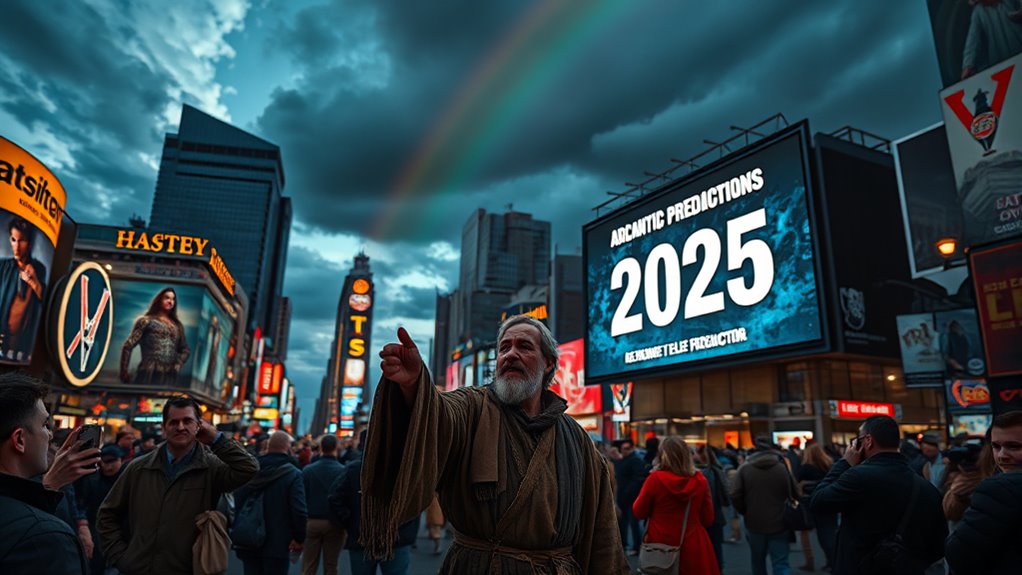
Many false prophets have predicted the end times or Rapture around 2025, but history shows these claims often fail. They take biblical symbols and misinterpret them with dates that aren’t grounded in Scripture. To avoid being misled, focus on Jesus and God’s truth, stay prayerful, and develop spiritual discernment. If you want to understand how to recognize false teachings and stick to biblical guidance, you’ll find important lessons ahead.
Key Takeaways
- Past failed Rapture predictions highlight the importance of focusing on Christ rather than date-setting.
- Biblical prophecy emphasizes spiritual truths and God’s plan, not specific end-times dates.
- Developing spiritual discernment helps believers identify false claims and avoid manipulation.
- False prophets exploit uncertainty; staying rooted in Scripture prevents being misled.
- Trust in God’s timing and remain vigilant to avoid distraction from true faith and biblical teachings.

Throughout history, many self-proclaimed prophets have claimed to predict the end of the world or the Rapture, only to see their predictions fall flat. Such false claims often stem from a misunderstanding or misinterpretation of biblical prophecy. When you hear predictions about specific dates for the Rapture or the world’s end, it’s essential to remember that biblical prophecy isn’t meant to be a crystal ball. Instead, it offers spiritual truths that require careful discernment. Many false prophets exploit this uncertainty, claiming to have special knowledge, but their messages often lack the foundation of sound biblical teaching. As someone seeking truth, you must develop spiritual discernment—an ability to differentiate between genuine spiritual insight and deception. This skill helps you avoid falling into the trap of believing false predictions that can lead to disappointment or spiritual confusion.
It’s tempting to get caught up in sensational claims about the end times, especially when predictions seem to align with current events. However, true biblical prophecy is often complex and layered, not straightforward predictions to be taken literally without context. When you approach prophetic claims, ask yourself whether they align with scripture and whether they promote Christ-centered living rather than fear or speculation. Spiritual discernment involves prayer, studying scripture diligently, and seeking wisdom from mature believers. It’s not about dismissing prophecy altogether but about understanding that God’s timing isn’t always what humans expect or want. False prophets often manipulate biblical prophecy to create panic or attract followers, but you are called to be vigilant and rooted in biblical truth.
Past experiences with failed predictions serve as lessons. They remind you to stay grounded in the Word and to develop discernment rather than chasing after every new prophetic claim. You must ask questions: Does this prediction elevate Christ? Does it promote love, hope, and faith? Or does it stir fear and division? Remember, the core of biblical prophecy points toward God’s ultimate plan—redemption through Jesus Christ—not sensationalism or date-setting. As you navigate this landscape, rely on the Holy Spirit to guide your understanding and help you recognize false teachings. It’s also helpful to be aware that biblical prophecy often involves layered and symbolic messages, rather than literal, straightforward predictions. In the end, true spiritual discernment protects you from deception and keeps your focus on living faithfully, regardless of the predictions swirling around you. The lesson from 2025 and beyond is clear: trust in God’s timing and remain vigilant, grounded in biblical truth and spiritual discernment.

The Prophecy Answer Book: Clear Answers to Over 100 Questions on the Mysteries of Bible Prophecies (Learn About the Rapture, Tribulation, Antichrist, … Heaven, and more) (Answer Book Series)
As an affiliate, we earn on qualifying purchases.
As an affiliate, we earn on qualifying purchases.
Frequently Asked Questions
How Do False Prophets Influence Public Faith During Crises?
False prophets can profoundly sway your faith community during crises by exploiting fears and uncertainties. Their prophetic influence might lead you to doubt trusted leaders or abandon your beliefs altogether. You may find yourself questioning what’s true, especially if their predictions seem to come true or cause panic. It’s essential to stay grounded, seek reliable guidance, and remember that true faith relies on discernment rather than sensationalized prophetic claims.
What Psychological Factors Lead People to Believe in Apocalyptic Predictions?
Your mind acts like a sponge, soaking up fears and hopes during crises. Cognitive biases, like confirmation bias, make you cling to apocalyptic predictions that fit your worldview. Groupthink pushes you to follow others blindly, fearing isolation. These psychological factors create a perfect storm, convincing you that doomsday is near. Recognizing these influences helps you see through false prophecies, keeping your beliefs grounded in reality rather than fear-driven illusions.
Are There Legal Consequences for False Prophecy Dissemination?
You should know that there are legal implications for spreading false prophecy, especially if it involves misinformation regulation. Laws vary by jurisdiction, but you could face fines or other penalties if your predictions cause harm or incite panic. Authorities actively regulate misinformation, aiming to prevent chaos and protect public safety. So, if you’re considering sharing such claims, be aware of potential legal consequences and the importance of responsible communication.
How Can Individuals Discern Genuine Prophecy From False Claims?
You can discern genuine prophecy by applying biblical discernment and skeptical evaluation. Trust teachings rooted in scripture and compare claims with biblical principles. Be cautious of predictions that lack biblical support or promote fear and speculation. Pray for wisdom, seek counsel from mature believers, and analyze the prophecy’s consistency over time. Remember, genuine prophecy aligns with God’s Word and encourages faith, not panic or false hope.
What Role Do Social Media Platforms Play in Spreading Rapture Predictions?
Imagine social media as a loudspeaker amplifying whispers into storms; it fuels digital echo chambers where rapture predictions spread rapidly. Influencer evangelism plays a key role, as charismatic figures share sensational claims to draw followers. You might find yourself caught in this whirlwind, mistaking hype for truth. Be cautious—question sources, seek verified information, and avoid blindly trusting influencers, ensuring you don’t fall prey to false prophecy spreading through these powerful digital channels.

Spiritual Warfare and The Discernment of Spirits
Spiritual Warfare and the Discernment of Spirits
As an affiliate, we earn on qualifying purchases.
As an affiliate, we earn on qualifying purchases.
Conclusion
As you reflect on these false prophets and their bold predictions, remember that history repeatedly warns us of deception. Will you trust every voice claiming certainty, or will you stay vigilant? The future remains uncertain, and the temptation to believe can be strong. Stay grounded, question boldly, and resist the allure of false promises—because the true truth might be closer than you think, lurking just beyond the horizon of certainty.
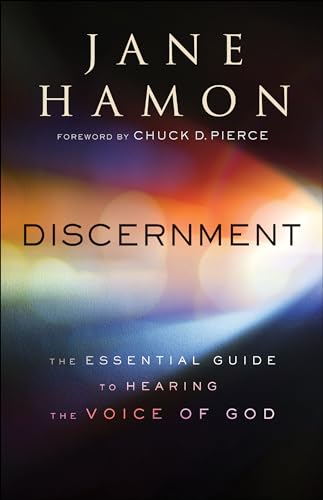
Discernment: The Essential Guide to Hearing the Voice of God
As an affiliate, we earn on qualifying purchases.
As an affiliate, we earn on qualifying purchases.

Thy Kingdom Come: Exploring End Times Prophecy
As an affiliate, we earn on qualifying purchases.
As an affiliate, we earn on qualifying purchases.