
TL;DR
Faith-based meditation cushions incorporate religious symbols and traditions to support spiritual practice. They offer comfort and cultural respect but are optional tools rather than necessities. Choosing one involves balancing symbolism, comfort, and respect for tradition.
Imagine sitting on a cushion that not only supports your body but also deepens your connection to your faith. Faith-based meditation cushions aren’t just ordinary pads; they carry symbols, colors, and texts that resonate with your spiritual path. They turn a simple seat into a sacred space, blending comfort with meaningful symbolism.
Whether you practice Christian prayer, Hindu meditation, or embrace interfaith ideals, these cushions can help establish a ritual and foster a sense of presence. But how do you choose one that respects your beliefs and truly supports your practice? That’s what we’re exploring—what makes these cushions special, and how to pick the right one for your spiritual journey.
Faith-based meditation cushions are distinguished by their symbols, texts, and colors linked to specific spiritual traditions.
Choose a cushion that supports your posture comfortably, with adjustable fill and durable, respectful design features.
Respect cultural and religious meanings—place symbols thoughtfully and avoid misuse or trivialization.
Recent trends focus on personalization, sustainability, ergonomic support, and inclusive, multi-faith designs.
Safety first: prioritize comfort, proper support, and correct positioning over aesthetics or symbolism.
What Makes a Meditation Cushion Faith-Based?
Faith-based meditation cushions are identified by their symbols, texts, colors, or design elements linked to a particular religion or spiritual tradition. Unlike generic cushions, these often feature crosses, Sanskrit characters, lotus symbols, or universal concepts like peace and compassion. For example, a Christian cushion might display a cross or a Bible verse, while a Hindu-inspired one could feature a lotus or chakra symbols.
Take Sarah, a devout Christian who uses a cushion embroidered with the words “Be Still” during her prayer time. It’s not just about comfort—this cushion connects her physically and spiritually, grounding her in her faith. These designs aren’t decorative; they carry meaning, intention, and often, community identity.
Ultimately, a faith-based cushion acts as a visual and tactile reminder of your practice. It aligns your body and mind with your beliefs, turning meditation or prayer into a sacred act. But not every symbol is appropriate everywhere—respect and understanding matter.
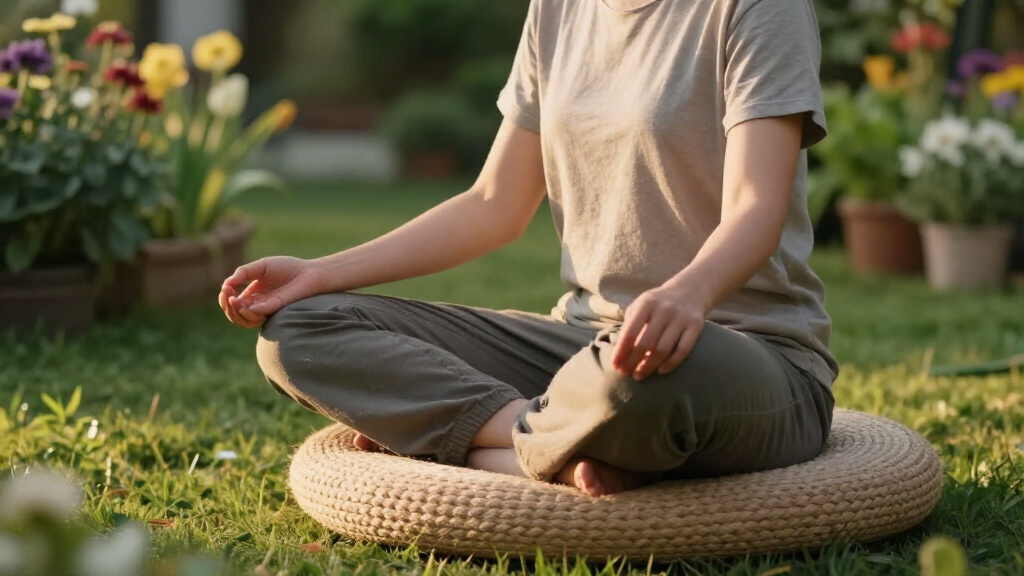
faith-based meditation cushion with religious symbols
As an affiliate, we earn on qualifying purchases.
As an affiliate, we earn on qualifying purchases.
How Do You Choose a Faith-Based Cushion That Respects Your Beliefs?
Picking the right faith-based meditation cushion involves more than just selecting a visually appealing design; it requires thoughtful consideration of how the symbols, materials, and construction reflect and respect your spiritual values. The implications of your choice extend beyond aesthetics—an inappropriate symbol or material can inadvertently convey disrespect or cultural insensitivity, which might undermine your spiritual practice. For example, using a symbol out of context or misrepresenting sacred imagery can diminish its significance and cause unintended offense. Additionally, choosing a cushion that aligns with your posture and comfort needs ensures that your practice remains sustainable and meaningful. Balancing these factors involves understanding the cultural and religious weight behind symbols, as well as prioritizing your physical comfort to facilitate deep meditation or prayer. The tradeoff often lies between aesthetics and authenticity—opt for designs that genuinely resonate with your beliefs rather than superficial decorations, to cultivate a sincere and respectful practice.
- Assess your preferred posture: Do you sit cross-legged, kneel, or use a chair? The cushion shape and height should support your chosen position.
- Prioritize comfort and adjustability: Look for fillings like buckwheat hulls or kapok that conform to your body and allow height adjustments.
- Respect sacred symbols: Ensure symbols are accurate and used appropriately. For instance, a Buddhist lotus or Christian cross should be placed thoughtfully, not disrespectfully.
- Review fabric and construction: Durable, washable covers with natural fabrics appeal to eco-conscious practitioners, while reinforced seams ensure longevity.
- Consider cultural and religious context: Avoid symbols that may be misused or misunderstood. When in doubt, consult a practitioner or community leader to ensure your choice honors the tradition’s sensitivities and avoids cultural misappropriation.
- Personalize thoughtfully: Custom embroidery or quotes can deepen your connection, but ensure they reflect your true beliefs and respect the tradition’s core values. Thoughtful personalization can reinforce your spiritual intent rather than distract from it.
Remember: the best cushion feels good and respects your faith. It should support your body without forcing uncomfortable postures or crossing cultural boundaries.
Which Features Make Faith-Based Cushions Stand Out?
Faith-based cushions often include unique features that set them apart from secular options. These features are not just superficial embellishments; they serve to reinforce the spiritual and cultural significance of the cushion. For instance, the placement of symbols can influence how you engage with the design: sacred symbols on the top surface can serve as focal points for meditation, but placing them on the side or back panels might be a way to honor the symbol’s reverence while avoiding direct contact, which can be important in certain traditions. Custom embroidery adds a personal touch that deepens your connection, turning the cushion into a meaningful keepsake. Sustainable, natural materials underscore a respect for creation, aligning with spiritual values of harmony with the environment. Adjustable fills offer practical flexibility, accommodating different body types and preferences, which enhances the overall experience. Respectful design ensures that symbols are depicted with cultural accuracy and sensitivity, avoiding stereotypes or trivialization that can diminish their sacredness. For example, a Buddhist mandala embroidered with care and authenticity or a Christian cross rendered with reverence exemplifies how design choices can honor tradition while supporting your practice.
Trends Transforming Faith-Based Meditation Cushions Today
In recent years, these cushions have evolved from simple, traditional designs to highly personalized and thoughtfully crafted objects that reflect modern values and spiritual needs. Many brands now offer custom embroidery options—such as adding a meaningful quote, a family name, or a specific prayer—transforming a cushion into a personal sacred artifact. This trend enhances the emotional and spiritual connection, making the cushion a vessel for personal devotion. Sustainability has become a core consideration; organic cotton, recycled textiles, and natural fillings are increasingly favored, aligning with the spiritual principle of respect for all creation. Ergonomic features are also gaining importance—adjustable fills, crescent shapes, and multi-height options allow practitioners to find optimal comfort, which is essential for maintaining long meditation sessions. As more individuals create dedicated spiritual spaces at home, the aesthetic appeal and cultural sensitivity of cushions are paramount. Interfaith and neutral designs are gaining popularity, emphasizing universal themes such as peace, love, and divine compassion—stripped of specific symbols that could alienate or offend. This movement toward inclusive, culturally respectful designs reflects a broader societal shift toward mindfulness, social responsibility, and honoring diverse spiritual expressions.
What Safety and Comfort Tips Should You Keep in Mind?
Meditation cushions are meant to support your practice—not cause pain or discomfort. If you experience sharp pain, numbness, or tingling, it indicates that your posture or support is misaligned with your body’s needs. Adjusting your position—such as adding a small bolster under your knees or changing the cushion height—can alleviate strain and prevent long-term discomfort. For individuals with mobility issues or joint sensitivities, considering kneeling benches, chairs, or cushions with extra padding can significantly improve comfort and accessibility. Never force your body into a posture that causes pain; listening to your body’s signals is crucial for safe and sustainable practice. Proper maintenance of your cushion also plays a role in safety: follow care instructions diligently, as most covers are removable and washable, which helps prevent mold, dust, and bacterial buildup. Regular airing and cleaning ensure a hygienic and comfortable experience. Ultimately, prioritizing safety and comfort ensures that your spiritual practice remains a positive and injury-free journey, allowing you to focus fully on your meditation or prayer without distraction or harm.
How Do You Know If a Faith-Based Cushion Is Right for You?
The ideal faith-based meditation cushion is one that not only provides physical support but also resonates deeply with your spiritual values and intentions. Testing different shapes, heights, and fillings is essential because each body and practice are unique—what works for one person might not suit another. For example, a round zafu may support a cross-legged posture, but if it causes discomfort, a crescent-shaped cushion might better align with your needs. Focusing on adjustable fills allows you to customize firmness and height, which is crucial for maintaining comfort over extended periods. Durable, easy-to-clean covers are practical considerations, but equally important is the design’s alignment with your beliefs—symbols should feel authentic and respectful. If you’re unsure about specific symbols or designs, choosing neutral or interfaith options can help you stay inclusive and avoid accidental disrespect. Budget considerations matter, but investing in a high-quality cushion that supports your practice is often worthwhile, as it encourages consistency and mindfulness. Ultimately, the right cushion supports your physical needs and reflects your spiritual intent, making your practice more meaningful and sustainable.
What Are the Main Questions People Ask About Faith-Based Meditation Cushions?
Q: What makes a meditation cushion faith-based? It’s the symbols, text, or colors linked to a specific faith or spiritual tradition, like crosses, Sanskrit, or universal themes like peace. These elements serve as visual anchors and reminders of your spiritual commitments, helping to deepen your focus and intention during practice. Recognizing the significance behind these symbols encourages respectful usage and enhances the spiritual atmosphere.
Q: Do I need a special cushion for prayer or meditation? Not necessarily. While cushions can support comfort and ritual, they are tools that enhance your practice rather than requirements—your sincerity, focus, and intention are what truly matter. Using a faith-based cushion can add a layer of sacredness, but the core of your practice resides in your mindfulness and reverence.
Q: Is it respectful to sit on sacred symbols or scripture? It depends on your tradition. Some believe that sitting on sacred symbols shows disrespect, while others see it as an act of reverence, especially if done with proper intention and context. When uncertain, consulting a knowledgeable practitioner or community leader can help you understand the appropriate approach, ensuring your practice remains respectful and authentic.
Q: How do I pick the right height? The goal is to find a position that allows your pelvis to tilt slightly forward, supporting an upright spine, and your knees to rest comfortably below your hips. Adjustable cushions help achieve this balance, promoting comfort and proper alignment, which are crucial for effective meditation and avoiding strain.
Q: Can I use a faith-based cushion in a shared or multi-faith space? Yes, especially if it features neutral or inclusive symbols, or if you personalize it with designs that respect all beliefs present. This fosters an environment of mutual respect and spiritual diversity, allowing everyone to feel comfortable and honored.
These questions highlight that choosing a faith-based cushion involves thoughtful consideration of support, symbolism, respect, and personal comfort—each element contributing to a meaningful practice.
Conclusion
Faith-based meditation cushions aren’t just about comfort—they’re about creating a sacred space that resonates with your beliefs. Select one that supports your body, respects your tradition, and encourages mindfulness. When you find the right cushion, your practice becomes more than routine; it transforms into a meaningful act of devotion.
Remember, the most powerful tool isn’t the cushion itself but your intention. Let your choice reflect your respect, your practice, and your journey toward deeper connection.