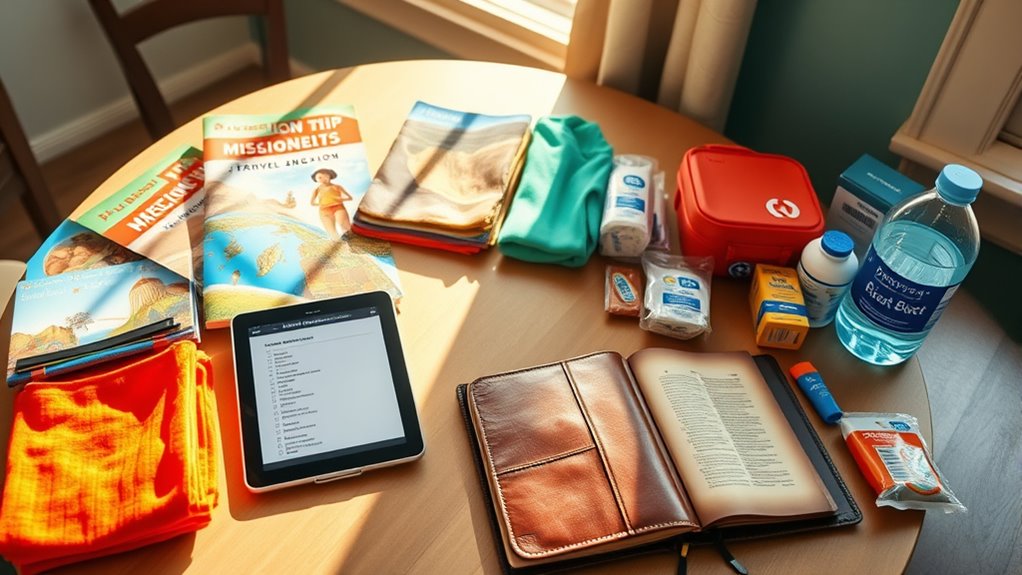

To prepare for your mission trip, start by researching local customs, traditions, and social norms to show respect and avoid misunderstandings. Learn basic phrases in the local language and carry translation tools. Pack cultural tokens or small gifts, and confirm your travel documents, health requirements, and vaccinations. Dress appropriately for religious sites and community settings. Planning carefully helps you connect genuinely with the community. Explore these tips further to ensure you’re fully ready for a meaningful experience.
Play games included with Prime
Start a Prime free trial and play with Amazon Luna on your devices.
As an affiliate, we earn on qualifying purchases.
Key Takeaways
- Verify travel documents, vaccinations, and health supplies to ensure readiness for the trip.
- Research and understand local customs, traditions, and social norms to show cultural respect.
- Learn basic phrases and carry translation tools to facilitate effective communication.
- Pack appropriate attire, cultural tokens, and necessary personal items for the community.
- Develop a checklist covering logistics, cultural sensitivities, health, and language preparation.
As an affiliate, we earn on qualifying purchases.
Cultural and Language Preparation Tips
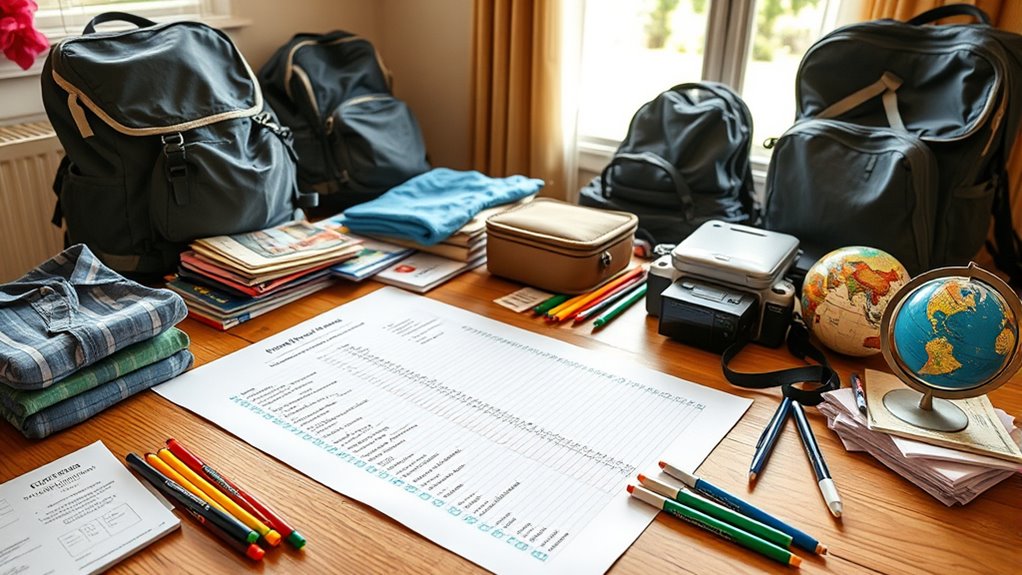
Preparing for a mission trip can feel overwhelming, but having a well-organized checklist makes the process manageable. One of the most important aspects to consider is cultural awareness. Before you leave, take time to research the customs, traditions, and social norms of the community you’ll serve. Understanding these differences helps you show respect and build trust with local people. It also prevents unintended offenses that could hinder your mission. For example, learn about appropriate attire, greetings, and gestures that are customary in that culture. Recognizing and honoring local practices demonstrates your genuine respect and openness, which can make your interactions more meaningful.
Another critical preparation step involves addressing potential language barriers. If you’re traveling to a place where your second language isn’t widely spoken, think about learning basic phrases and key words in the local language. This effort shows your willingness to connect and can considerably ease communication. Carry a translation app or pocket-sized phrasebook to help when you’re unsure how to express yourself. Remember, even simple greetings like “hello,” “thank you,” or “please” can go a long way in establishing rapport. If possible, arrange to meet with a local translator or interpreter beforehand, especially if your project involves detailed conversations or teaching. This proactive approach minimizes misunderstandings and helps you communicate your intentions clearly.
In addition to linguistic preparation, you should also think about cultural sensitivities during your planning. For example, avoid topics that might be taboo or controversial in the community. Be mindful of local dress codes, especially when visiting religious sites or homes. Respect local traditions and be open to adapting your behavior as needed. This cultural sensitivity not only fosters positive relationships but also reflects your genuine respect for the community you’re serving.
Lastly, verify you have all necessary travel documents, vaccinations, and health supplies. Double-check your passport, visa requirements, and any health advisories for the destination. Packing appropriate clothing and personal items is essential, but don’t forget to include items that support cultural awareness, such as small gifts or items that can serve as tokens of appreciation. By systematically preparing for cultural differences and language challenges, you position yourself for a more impactful, respectful, and rewarding mission trip experience.
Frequently Asked Questions
How Can I Find Local Language Resources for My Mission Trip?
You can find local language resources for your mission trip through language learning platforms like Duolingo or Babbel, which offer basic phrases and cultural tips. Additionally, translation apps such as Google Translate can help you communicate more effectively on the spot. Reach out to local churches or community centers before your trip, as they often provide language materials or connect you with native speakers for practice and guidance.
What Cultural Customs Should I Be Aware of Before Traveling?
Think of cultural customs as the secret language of respect. Before your trip, research local customs and etiquette tips to avoid unintended offenses. You should be aware of greetings, dress codes, and social norms that differ from your own. Respecting local customs shows genuine appreciation and helps build trust. By understanding these cultural nuances, you’ll navigate your mission trip smoothly and create meaningful connections with the community you’re serving.
How Do I Handle Language Barriers During Service Activities?
When facing language barriers during service activities, you should focus on effective communication strategies. Start by learning basic phrases in the local language; it shows respect and helps build rapport. Use simple words, gestures, and visual aids to convey your message clearly. Be patient and attentive, and don’t hesitate to ask for help if needed. Your efforts to bridge the language gap will foster understanding and create a positive impact.
Are There Specific Dress Codes for the Destination Country?
When considering appropriate attire for your destination country, you should research local customs and dress codes beforehand. Dress modestly and respectfully, avoiding revealing clothing to honor cultural norms. Check if there are specific clothing guidelines for religious sites or community activities. By wearing appropriate attire, you show respect and openness, helping you build positive relationships during your trip. Always pack versatile clothing suitable for different settings and weather conditions.
How Can I Respectfully Ask for Cultural Guidance From Locals?
Research shows that asking locals for cultural guidance fosters mutual respect. To do this respectfully, approach with genuine curiosity and humility. Use polite language, listen actively, and acknowledge their expertise. Express appreciation for their insights and avoid assumptions or judgments. By practicing cultural sensitivity and respectful communication, you demonstrate your willingness to learn and honor their traditions, creating positive interactions that enrich your experience and build trust within the community.
Conclusion
By taking the time to prepare culturally and linguistically, you’re planting seeds of respect and understanding that will flourish during your trip. Remember, every conversation is a bridge that connects hearts across borders. With your efforts, you’ll not only help others but also grow personally. So pack your patience and curiosity — they’re your compass on this journey. When you step off that plane, you’re stepping into a world of endless possibilities waiting to blossom.
Fall yard work Picks
leaf blowers
As an affiliate, we earn on qualifying purchases.