
To share Christ’s love through a Thanksgiving food drive, start by setting clear goals and gathering a dedicated team. Partner with local organizations and identify those who need help most. Create a list of non-perishable items, promote your drive through social media and community outlets, and choose accessible collection points. Engage volunteers to handle donations with kindness and dignity. For tips on organizing each step and making a meaningful impact, keep exploring the details that follow.

Turn your quiet moments into listening time
- Thousands of audiobooks, podcasts and originals
- Listen on your phone, tablet or Echo — also offline
- Cancel anytime
Key Takeaways
- Set clear goals, build a dedicated team, and assign volunteers specific roles to ensure organized and effective service.
- Partner with local organizations and churches to identify beneficiaries and create donation guidelines emphasizing non-perishables.
- Promote the food drive through social media, flyers, and community outreach, highlighting cultural connections to encourage participation.
- Manage collection logistics by establishing accessible drop-off points, scheduling flexible times, and maintaining detailed donation records.
- Engage with recipients warmly, offering emotional support and gratitude to reflect Christ’s love and foster meaningful community relationships.
Popular right now

Dyson Big Ball Multi Floor Canister Vacuum, Yellow

Ninja DualZone Smart Air Fryer, 10 Qt, 6-in-1, DZ950

Dyson V8 Cyclone Cordless Vacuum
As an affiliate, we earn on qualifying purchases.
Setting Clear Goals and Gathering a Planning Team
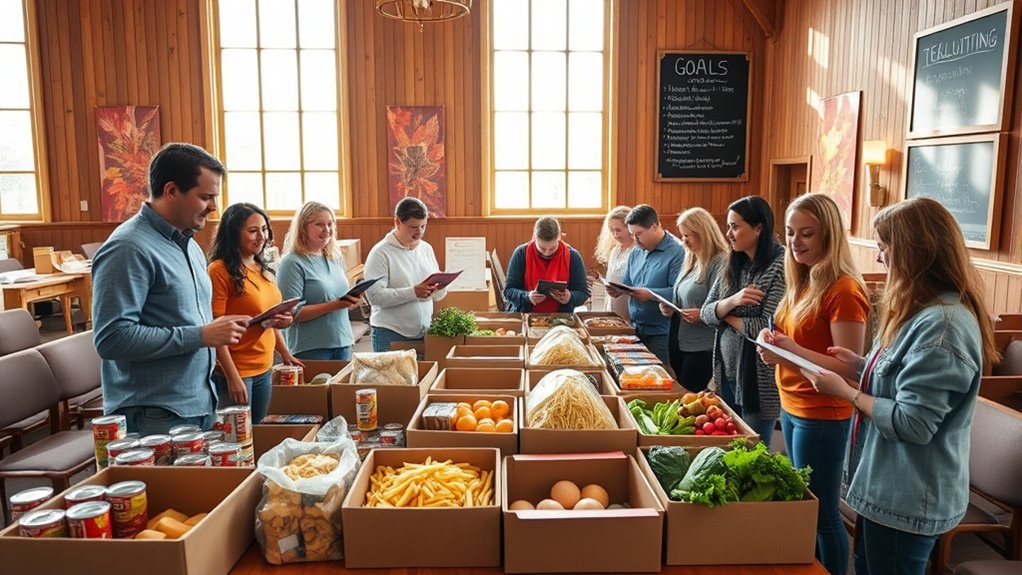
Before you begin sharing Christ’s love, it’s essential to set clear, achievable goals and assemble a dedicated planning team. Define what you hope to accomplish with your Thanksgiving food drive, such as reaching a certain number of families or raising a specific amount of funds. Effective volunteer recruitment is key; identify individuals passionate about your mission and assign them specific roles like outreach, logistics, and donor engagement. Developing fundraising strategies early on will help secure necessary resources and build momentum. A well-organized team with clear objectives ensures everyone stays focused and motivated. Remember, the more precise your goals and the stronger your team, the greater your impact will be in demonstrating Christ’s love through your outreach efforts. Incorporating goal setting techniques can further enhance your planning process.
Identifying Local Partners and Beneficiaries
Once you’ve assembled your planning team and set your goals, the next step is to identify the local partners and beneficiaries who can help you maximize your impact. Start by reaching out to local church partnerships, which often have established relationships with families in need and can provide trusted outreach channels. Collaborate with community organizations that focus on food security or social services—they can connect you to beneficiaries and offer logistical support. These partnerships enable you to identify those who will benefit most from your drive and ensure your efforts are targeted effectively. Building strong community organization collaboration also helps foster trust and shared purpose, making your food drive more impactful. Additionally, understanding the importance of spiritual fulfillment can inspire your team and volunteers to serve with compassion and purpose. By leveraging these local connections, your initiative can reach more families and truly embody Christ’s love in action.
Creating a List of Needed Items and Donation Guidelines
To guarantee your donations make the greatest impact, you need a clear list of essential non-perishables and specific quantity recommendations. Proper packaging and labeling also help streamline distribution and prevent confusion. Incorporating pimple patches in your donation kits can also be a thoughtful addition, especially for those dealing with skin irritations or blemishes. Let’s explore how to create effective donation guidelines that support your giving efforts.
Essential Non-Perishables List
Creating an essential non-perishables list is a crucial step in ensuring your donation efforts effectively meet community needs. Focus on items that support holiday recipes, such as canned vegetables, stuffing mixes, and gravy. Include nutritious options like canned beans, fruits, and whole grains to align with nutritional guidelines. Avoid perishables that spoil quickly, like fresh produce or dairy, to ensure donations stay fresh and usable. Consider adding staple items like rice, pasta, and canned meats to provide balanced meals. Clearly communicate donation guidelines, emphasizing the importance of unopened, non-expired items. Incorporating food safety practices into your planning can help prevent waste and ensure the health of recipients. This careful planning guarantees your food drive supplies essential ingredients for hearty, nutritious holiday meals, making a meaningful impact on families during Thanksgiving.
Donation Quantity Recommendations
Establishing clear donation quantity recommendations helps guarantee your food drive effectively meets community needs without overwhelming storage or distribution efforts. Determine specific quantities for each item, such as a set number of canned vegetables or boxes of stuffing, to ensure balanced donations. Communicate these guidelines to donors, emphasizing quality over quantity to prevent surplus or shortages. Incorporate holiday themed packaging ideas to make donations festive and appealing, encouraging participation. Recognize donors through thoughtful acknowledgment, like thank-you notes or small tokens, to foster ongoing support. Clear donation guidelines and suggested quantities streamline collection and distribution, making sure resources are used efficiently. By setting these expectations, you create a well-organized drive that maximizes impact and celebrates generosity during the holiday season. Additionally, understanding how Floating on Water techniques can facilitate safe and efficient distribution of supplies may be beneficial for large-scale drives.
Packaging and Labeling Tips
When organizing your food drive, establishing clear packaging and labeling strategies that help donors understand exactly what’s needed is essential. Use consistent labeling accuracy to specify item types, quantities, and expiration dates. Clear labels prevent confusion and ensure donations meet your community’s needs. Make sure to provide detailed donation guidelines, including acceptable packaging supplies like sturdy boxes or reusable bags, to keep items organized and protected. Label each package with instructions, such as “Perishable” or “Non-perishable,” to streamline sorting. Avoid vague labels that could lead to misclassification. By focusing on accurate labeling and appropriate packaging supplies, you create a smooth process for donors and ensure that your food drive efficiently delivers help to those in need. Proper documentation helps maintain consistency and transparency throughout the collection process.
Promoting Your Food Drive in the Community

Promoting your food drive effectively guarantees your community knows about the need and how they can help. Start with social media promotion: share regular updates, stories, and calls to action on platforms like Facebook, Instagram, or Twitter. Reach out to local media outlets—newspapers, radio stations, and community newsletters—to secure coverage and interviews that highlight your drive. To make your efforts more impactful, consider these steps:
- Create eye-catching flyers and posters to display in community centers, churches, and stores.
- Use social media hashtags to increase visibility and encourage sharing.
- Engage local influencers or community leaders to endorse your drive and motivate participation.
- Highlight Cultural Breakfast Traditions to connect with diverse community members and inspire participation through shared cultural values.
These strategies will help spread the word quickly and rally your community around this meaningful cause.
Organizing Collection Points and Logistics

To guarantee your collection runs smoothly, you need to choose strategic locations that are accessible and visible. Managing drop-off times helps keep the process organized and convenient for everyone involved. Coordinating volunteer teams ensures everything runs efficiently and that each point is well-staffed and welcoming. Additionally, considering the shelf life of juice can help in planning timely distribution and prevent spoilage of perishable items.
Selecting Strategic Locations
Choosing the right locations for collection points is essential to making certain your efforts reach those in need efficiently. In urban areas, focus on high-traffic community centers, churches, and local markets where many people gather. For rural communities, consider partnering with schools, town halls, or churches that serve as trusted community hubs. To maximize impact, keep these points in mind: 1. Place collection bins in easily accessible and well-known spots. 2. Ensure locations are safe and convenient for volunteers and donors. 3. Coordinate with local organizations to identify underserved neighborhoods. Utilizing wall organization systems can also help in managing donations efficiently at these points.
Managing Drop-off Times
Once you’ve selected strategic locations for your collection points, organizing drop-off times guarantees a steady flow of donations and prevents congestion. Effective drop-off scheduling allows donors to choose convenient times, increasing participation. Offering timing flexibility, like evening or weekend slots, accommodates busy schedules and encourages more contributions. To help plan, consider this sample schedule:
| Time Slot | Location A | Location B |
|---|---|---|
| Morning (8-10) | 10 donors | 8 donors |
| Afternoon (12-2) | 15 donors | 12 donors |
| Evening (5-7) | 20 donors | 18 donors |
Adjust your schedule based on community needs, and communicate clearly to maximize donations. Proper management of drop-off times keeps the process organized and welcoming, ensuring community engagement remains strong throughout the drive.
Coordinating Volunteer Teams
Coordinating volunteer teams is essential for organizing collection points and ensuring smooth logistics. To do this effectively, focus on three key steps. First, prioritize team recruitment by reaching out to community groups, churches, and schools to find dependable volunteers. Second, provide volunteer training to clarify roles, safety procedures, and how to interact kindly with donors. This boosts confidence and efficiency. Ultimately, assign specific tasks—like setting up collection stations, managing drop-off times, and sorting donations—to streamline operations. Clear communication before and during the event keeps everyone on the same page. By recruiting the right team, training them well, and assigning roles thoughtfully, you’ll create a seamless process that reflects Christ’s love through organized service.
Engaging Volunteers and Managing Donations

Engaging volunteers and managing donations are essential components of sharing Christ’s love effectively. To recruit volunteers, clearly communicate the purpose of your food drive and the impact they’ll have. Use personal invitations, social media, and church announcements to reach a broad audience. Once volunteers are onboarded, assign specific roles to maximize efficiency. Managing donations requires diligent donation tracking. Keep a detailed record of all contributions, noting quantities and sources. This helps guarantee proper distribution and accountability. Regularly update your team on progress, acknowledging their efforts to keep morale high. By actively engaging volunteers and maintaining organized donation records, you create a smooth operation that genuinely reflects Christ’s love and service to the community.
Distributing Food With Compassion and Dignity

After organizing volunteers and tracking donations, the next step is to distribute food in a way that reflects Christ’s love through compassion and dignity. Keep cultural sensitivity in mind to respect each recipient’s background, ensuring everyone feels valued. Offer emotional support by greeting recipients warmly and listening genuinely to their stories. To do this effectively:
- Approach each person with kindness, making eye contact and speaking gently.
- Be attentive to cultural differences, avoiding assumptions or stereotypes.
- Provide encouragement and reassurance, letting recipients know they’re cared for beyond just the food.
Reflecting on the Impact and Sharing the Spirit of Giving

Reflecting on the impact of your giving allows you to see how your efforts have touched lives and reinforced Christ’s love. Take time to contemplate the stories of those who received food, recognizing how your community outreach made a difference. Gratitude reflections help you appreciate the ripple effect of kindness, inspiring continued generosity. Sharing these moments with volunteers and donors fosters a sense of unity and purpose, encouraging everyone to stay committed to serving others. By reflecting on your outreach, you deepen your understanding of how small acts of love can transform lives and strengthen faith. This process not only celebrates your accomplishments but also fuels your passion to keep sharing Christ’s love through future service.
Frequently Asked Questions
How Can I Ensure Diverse Community Participation?
To guarantee diverse community participation, you should focus on cultural outreach and inclusive messaging. Reach out through various cultural channels, such as local community centers, churches, and social media platforms, to connect with different groups. Use language and visuals that reflect the diversity of your community, making everyone feel welcomed and valued. This approach encourages more people to join your food drive and fosters a sense of unity and shared purpose.
What Legal Considerations Should I Keep in Mind?
Did you know that 65% of nonprofits face legal issues during events? To stay compliant, review local regulations and obtain necessary permits. When recruiting volunteers, clearly outline legal responsibilities and liability waivers. Use effective publicity strategies to inform your community about legal guidelines, ensuring transparency. Keep documentation of permissions and agreements. This proactive approach protects your organization and builds trust, making your food drive a safe, successful event.
How Do I Handle Donations That Don’T Meet the List?
When handling donations that don’t meet the list, verify each donation quickly and politely with donation verification procedures. Politely explain that surplus items can be stored for future drives or donated to other programs, ensuring proper surplus management. Keep clear records of all donations, including those not on the list, to maintain transparency. This approach helps you stay organized and respectful while ensuring all donations are used effectively.
What Strategies Boost Ongoing Community Engagement?
Community engagement is the heartbeat of your drive—keep it thriving like a well-tended garden. You boost ongoing involvement by actively recruiting volunteers and leveraging social media outreach to share success stories and upcoming events. Engage your community with consistent updates, calls to action, and recognition of volunteers. This approach fosters trust and belonging, turning participants into advocates who keep the momentum alive long after the food drive ends.
How Can We Maintain Donor Confidentiality Effectively?
To maintain donor confidentiality effectively, you should implement clear confidentiality policies that emphasize donor privacy. Guarantee all volunteers and staff understand and follow these policies, safeguarding personal information at all times. Use secure methods for collecting and storing donations, like encrypted digital records. Regularly review and update your privacy protocols, and communicate your commitment to donor confidentiality openly, building trust and encouraging ongoing support for your food drive.
Conclusion
By organizing a Thanksgiving food drive, you can make a real difference in your community. Did you know that over 37 million Americans face hunger? Your efforts can help bridge that gap, bringing hope and nourishment to families in need. Every can or box donated spreads Christ’s love and kindness. So, keep inspiring others, stay committed, and remember—your compassion can change lives this holiday season.