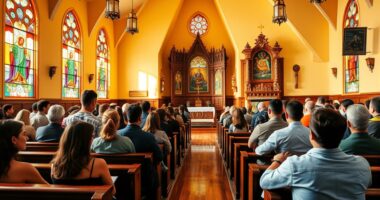

All Saints’ Day is a Christian celebration honoring saints and martyrs, both known and unknown, for their faith and sacrifices. It has roots in early church traditions where believers commemorated inspiring figures of virtue. You’ll see many traditions like processions, prayer, and visiting cemeteries. This day connects to other religious celebrations and encourages spiritual growth by reminding you of the virtues saints embody. If you want to understand how this day strengthens faith and community, keep exploring.

Turn your quiet moments into listening time
- Thousands of audiobooks, podcasts and originals
- Listen on your phone, tablet or Echo — also offline
- Cancel anytime
Key Takeaways
- All Saints’ Day honors all saints, known and unknown, recognizing their virtues and sacrifices.
- It originated from early Christian practices and was unified by the church to celebrate saints collectively.
- The day includes traditions like parades, prayers, and visiting graves to show reverence and gratitude.
- It highlights virtues such as humility, compassion, and faith, inspiring personal spiritual growth.
- The celebration fosters community bonds and spiritual renewal through shared reverence and reflection.
Popular right now

Vitamix Propel Series 510 Professional-Grade Blender, 3 Programs, Black

Sony WH-1000XM6 Wireless Noise-Canceling Over-Ear Headphones, Blue, Bundle

KitchenAid Artisan 5-Quart Tilt-Head Stand Mixer, KSM150PS, Almond Cream
As an affiliate, we earn on qualifying purchases.
The Historical Roots of All Saints’ Day
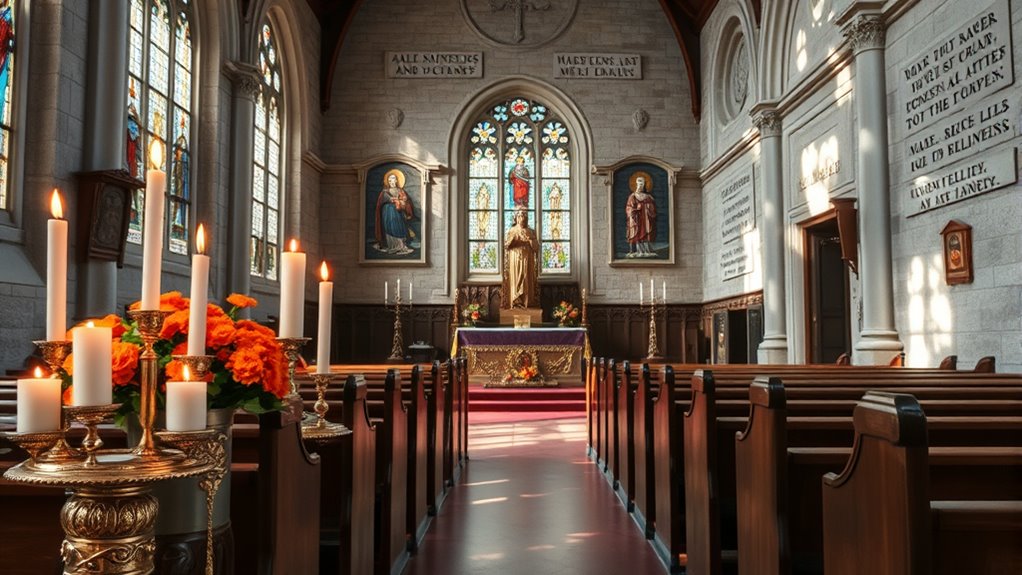
The historical roots of All Saints’ Day trace back to early Christian practices of honoring martyrs and saints. During the initial centuries of church history, believers celebrated the lives and sacrifices of those who exemplified faith through saint veneration. These commemorations often occurred on different days for various saints, reflecting local traditions. As Christianity grew, the church sought a unified date to honor all saints collectively, leading to the establishment of a dedicated feast day. This shift aimed to recognize not just famous martyrs but all saints, known and unknown. Over time, the celebration became an important part of church history, emphasizing the importance of spiritual role models and reinforcing the community’s shared faith and reverence for those who dedicated their lives to Christianity.
The Significance of Honoring Saints

Honoring saints holds deep significance because it allows you to connect with inspiring examples of faith and virtue. Through saint veneration, you recognize their sacrifices and steadfast devotion, which inspire your own spiritual journey. This act fosters spiritual gratitude, reminding you of the divine grace that guided these holy lives. To deepen your understanding, consider this: recognizing the role of saints in religious traditions can enrich your appreciation of their lasting impact on faith communities.
Traditions and Practices Observed During the Day
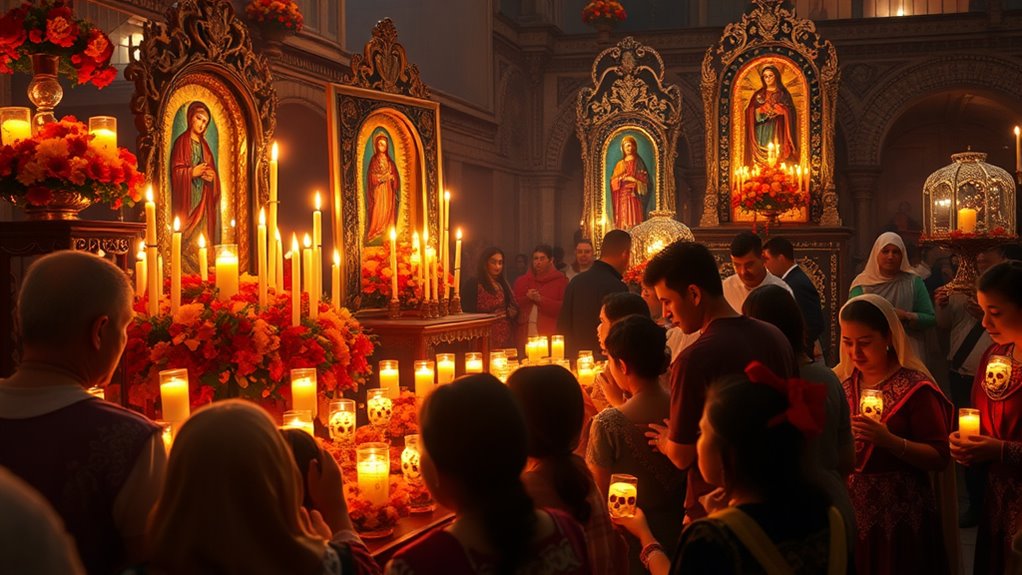
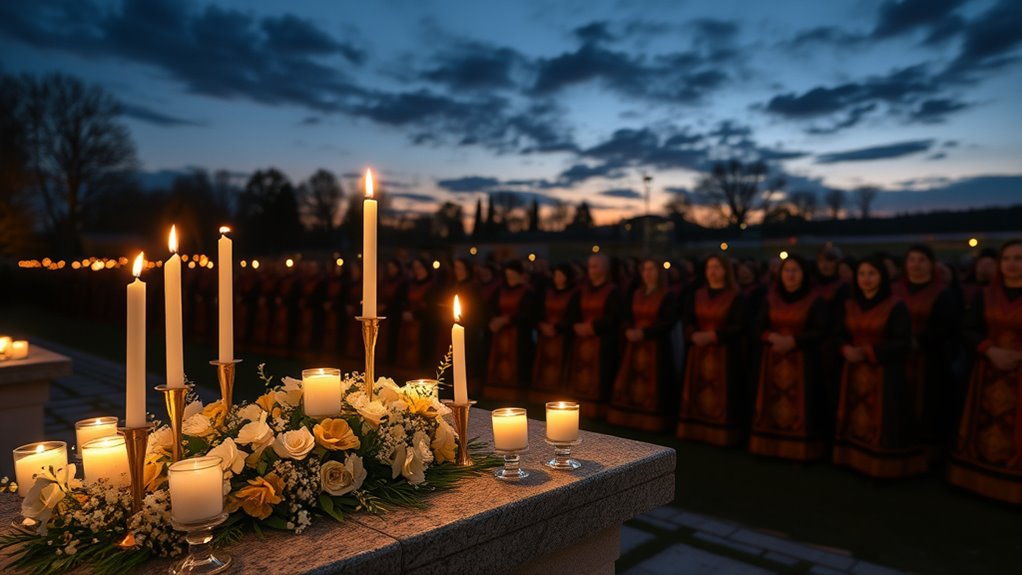
On All Saints’ Day, communities come together to observe meaningful traditions and practices that honor the saints. One popular activity is participating in saint parades, where people dress up as saints or carry images of them, celebrating their lives and contributions. These parades often feature music, dance, and communal spirit, creating a festive atmosphere. Additionally, many attend special prayers at churches or shrines dedicated to specific saints. These prayers focus on seeking intercession or giving thanks for blessings attributed to the saints’ intercession. Families may also visit cemeteries to lay flowers and light candles on graves of loved ones and saints alike. These traditions foster a sense of unity, faith, and reverence, making the day a meaningful observance for many Christians.
The Connection Between All Saints’ Day and Other Christian Celebrations

All Saints’ Day is closely connected to other Christian celebrations, forming a spiritual calendar that highlights key aspects of faith and tradition. It emphasizes saintly virtues like humility and compassion, reinforced through religious symbolism such as halos and icons. These symbols and virtues link All Saints’ Day to events like All Souls’ Day and Pentecost, creating a meaningful cycle of remembrance and spiritual growth. The table below illustrates these connections:
| Celebration | Focus | Symbolism | Virtues Highlighted |
|---|---|---|---|
| All Saints’ Day | Honoring saints | Halos, icons | Faith, humility |
| All Souls’ Day | Remembering the departed | Candles, prayers | Compassion, hope |
| Pentecost | Holy Spirit’s descent | Tongues of fire, wind | Wisdom, courage |
| Christmas | Birth of Christ | Nativity scene, star | Love, generosity |
| Easter | Resurrection of Jesus | Cross, empty tomb | Renewal, forgiveness |
How All Saints’ Day Inspires Faith and Community Spirit
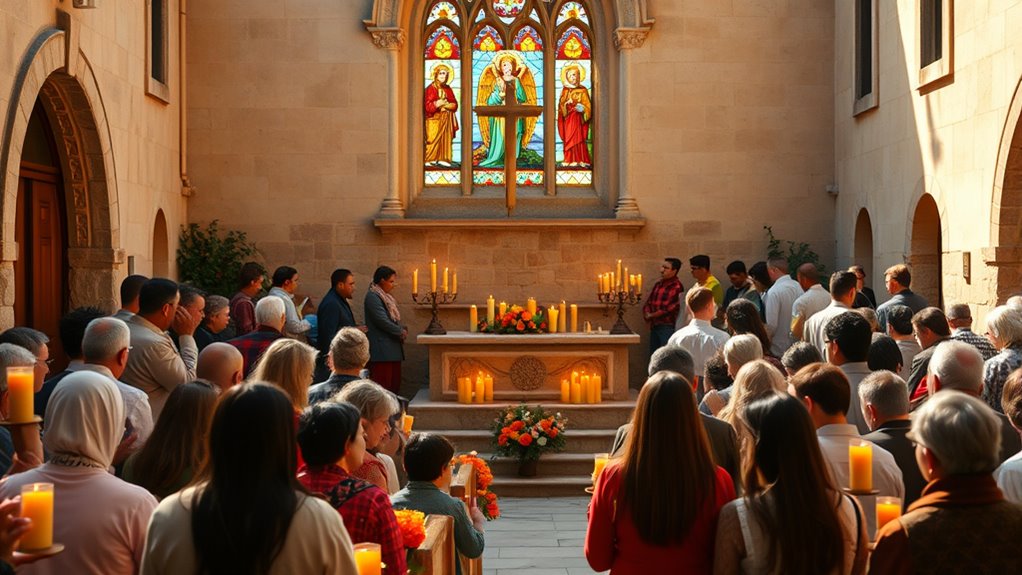
All Saints’ Day serves as a powerful reminder of the inspiring virtues embodied by the saints, fueling both individual faith and community bonds. By reflecting on saintly role models, you’re encouraged to emulate their compassion, humility, and unwavering faith. Their examples inspire spiritual renewal, helping you reconnect with your beliefs and deepen your devotion. Celebrating this day fosters a sense of unity among believers, as you come together to honor those who lived exemplary lives. Sharing stories of saints’ sacrifices and virtues strengthens community spirit, reminding everyone of the collective pursuit of holiness. Ultimately, All Saints’ Day motivates you to grow spiritually and to support others in their faith journey, creating a more compassionate and faith-filled community. Recognizing the virtues of saints can serve as a guide for personal growth and community service.
Frequently Asked Questions
How Do Different Christian Denominations Observe All Saints’ Day?
You’ll notice that different Christian denominations observe All Saints’ Day through saints’ recognition and unique liturgical practices. Catholics often attend special masses, light candles, and honor saints’ relics. Protestants may focus on remembrance and reflection, sometimes holding services or prayers. Orthodox Christians highlight saints’ recognition with processions and icons. Regardless of tradition, you’ll find that each denomination emphasizes celebrating saints’ lives and inspiring faith through their distinctive liturgical practices.
Are There Any Specific Prayers or Hymns Associated With All Saints’ Day?
On All Saints’ Day, you can sing hymns for saints like “For All the Saints” and recite prayers for saints, asking for their intercession. These hymns celebrate the lives of saints and inspire faith, while prayers help you connect spiritually with those who have gone before. Incorporating hymns for saints and prayers for saints into your observance deepens your appreciation of their example and encourages your own spiritual growth.
What Is the Significance of the Date November 1st?
You might wonder why November 1st holds such importance. The date’s historical origins trace back to early Christian traditions honoring saints and martyrs. Its cultural significance stretches across many societies, blending solemn remembrance with festive celebrations. By observing this day, you connect with centuries of faith and history, honoring those who’ve inspired the Christian community. The date’s timing emphasizes renewal, remembrance, and the universal bond among believers worldwide.
How Do Secular Cultures Commemorate All Saints’ Day?
In secular cultures, you might find that people commemorate All Saints’ Day through secular traditions and cultural adaptations. Instead of religious observances, communities may hold parades, light candles, or visit cemeteries to honor loved ones. These adaptations often focus on remembering the dead in a more inclusive, cultural way. You could also see themed festivals or community events that celebrate heritage, blending traditional ideas with modern, secular expressions of remembrance.
Can Non-Christians Participate in All Saints’ Day Celebrations?
Yes, you can participate in All Saints’ Day celebrations through interfaith participation and cultural inclusivity. Many communities welcome non-Christians to join in honoring saints, remembering loved ones, and experiencing cultural traditions. Your involvement fosters understanding and respect across different faiths and backgrounds. Embracing these celebrations allows you to appreciate diverse spiritual practices and connect with others in a meaningful, inclusive way, enriching your cultural awareness and community bonds.
Conclusion
So, now you know why Christians celebrate All Saints’ Day—you get to honor those who made it to the big celestial club. It’s basically a heavenly fan club with a fancy name. Remember, whether you’re lighting candles or just reminiscing, it’s your chance to connect with the past, boost your community spirit, and maybe impress friends with your saintly trivia. Who knew celebrating saints could be so fun and slightly spooky?