To cultivate young leaders, focus on developing their teamwork, communication, and problem-solving skills through engaging activities like group challenges and storytelling exercises. Encourage a supportive environment where they can share ideas, take risks, and learn from feedback. Promote collaboration in digital spaces and foster resilience through social navigation. By nurturing these qualities, you’ll help your kids grow into confident, capable leaders. Keep exploring ways to enhance their leadership journey to open their full potential.
Key Takeaways
- Implement team-building activities that promote collaboration, problem-solving, and communication to develop leadership skills in kids.
- Incorporate communication exercises like storytelling and role-playing to enhance self-expression and active listening.
- Provide digital and collaborative problem-solving opportunities, such as virtual hackathons, to foster adaptability and resilience.
- Create a supportive environment that encourages safe idea sharing, constructive feedback, and decision-making to build confidence.
- Promote independence and perseverance through activities that develop social navigation, risk-taking, and initiative.

Developing leadership skills in kids sets the foundation for their future success and confidence. When you focus on nurturing these skills early on, you’re helping them build essential qualities that will serve them throughout their lives. One effective way to do this is through team building activities, which are enjoyable and educational at the same time. These activities encourage kids to work together, solve problems, and support each other, all of which are critical components of leadership. As they participate in group challenges, they learn to listen, express their ideas clearly, and respect differing opinions, strengthening their communication skills. By engaging in team building exercises, your child will discover how to motivate peers, delegate tasks, and take initiative — all vital leadership traits.
Incorporating communication skills into these activities is key. When kids learn to articulate their thoughts and listen actively, they foster trust and understanding within their teams. You can guide your child through simple exercises like sharing stories, giving presentations, or participating in role-playing games. These practice opportunities help them become more confident in expressing themselves and understanding others’ perspectives. As they master effective communication, they’ll be better equipped to lead with clarity and empathy, qualities that resonate in both personal and professional relationships. Additionally, participating in virtual or remote hackathons can expose kids to collaborative problem-solving in a digital environment, further enhancing their teamwork and leadership skills.
Creating an environment where your child feels safe to share ideas and take risks is essential. Encourage them to participate in group discussions and decision-making processes, which reinforce their ability to communicate confidently. Praise their efforts and provide constructive feedback to help them refine their skills. When your child learns to navigate different social situations, they develop resilience and adaptability—traits that are indispensable for leadership. Furthermore, involving them in activities that challenge their problem-solving abilities fosters independence and perseverance, reinforcing their confidence in their leadership potential.

5 Pcs Teamwork Building Blocks Set, Upgrade Team Building Games for Adults & Teenagers, Durable Teamwork Building Blocks for Corporate Team Building Activities, School Sports Day & Outdoor Parties
New Design – This upgrade 5 pcs teamwork building blocks set requires no screws for quick assembly and…
As an affiliate, we earn on qualifying purchases.
As an affiliate, we earn on qualifying purchases.
Frequently Asked Questions
How Early Can Children Start Leadership Activities Effectively?
You can start leadership activities effectively in early childhood, around ages three to five. At this stage, children develop basic leadership readiness by learning to share, take turns, and express their ideas. Engage them in simple responsibilities and group activities that foster confidence and decision-making skills. By providing supportive environments, you help nurture their innate leadership potential early on, setting a strong foundation for future growth and responsibility.
What Are Some Common Challenges in Teaching Leadership to Kids?
Teaching leadership to kids can be like steering a boat through choppy waters. Common challenges include peer resistance, where children hesitate to stand out or lead, and motivation barriers, making it hard to keep their enthusiasm high. You might find that some kids feel shy or unsure, which can slow their progress. Overcoming these hurdles requires patience, encouragement, and creating a safe space where kids feel confident to lead and learn.
How Do Cultural Differences Influence Leadership Development in Children?
Cultural differences shape how you develop leadership in children by influencing their cultural values and leadership perceptions. You might notice that some cultures emphasize collectivism and teamwork, while others prioritize independence and individual achievement. These cultural values guide children’s understanding of what it means to be a leader. By respecting these differences, you can tailor your approach to foster leadership skills that resonate with each child’s cultural background.
What Role Do Parents Play in Nurturing Leadership Skills?
Parents are the gardeners who nurture confidence in their children, helping leadership skills blossom. Your involvement plays a crucial role in guiding them, offering encouragement, and modeling strong values. By actively participating in their growth, you turn potential into leadership, like a compass pointing toward their brightest future. Your support fuels their ability to lead with integrity, resilience, and kindness—foundations that last a lifetime.
Are There Specific Personality Types More Receptive to Leadership Training?
Certain personality traits and learning styles make kids more receptive to leadership training. For example, kids with extroverted traits often thrive because they enjoy social interactions, while those with proactive and open-minded traits tend to embrace new challenges. Additionally, visual or kinesthetic learners may engage more effectively with hands-on activities. Recognizing these differences helps you tailor leadership development, ensuring each child’s unique personality traits and learning styles are nurtured for success.
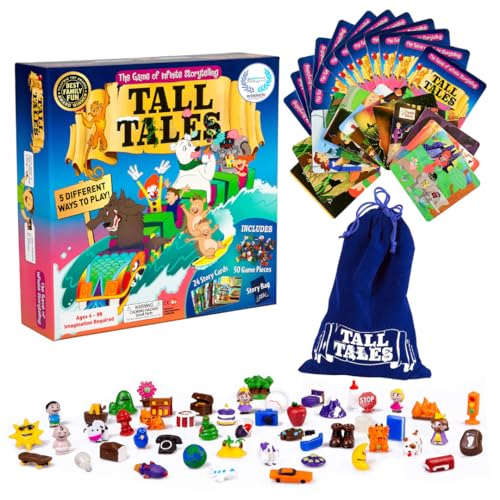
SCS Direct, Tall Tales Story Telling Board Game – The Educational Family Game of Infinite Storytelling -Award-Winning Educational Game, 5 Ways to Play – Promotes Creativity & Language Skill, Gift
7x Award Winner: Recognized for excellence! Tall Tales has earned prestigious honors including the Dr. Toy Award 2016,…
As an affiliate, we earn on qualifying purchases.
As an affiliate, we earn on qualifying purchases.
Conclusion
By nurturing leadership skills early, you empower kids to become confident, responsible adults. Imagine a child leading a group project at school, encouraging others and solving problems together. With your guidance, they develop essential qualities like communication, empathy, and resilience. When you invest in their leadership development now, you’re setting the foundation for future success—creating young leaders who can positively impact their communities and beyond. Start today, and watch them grow into inspiring leaders tomorrow.

Abacus Brands Bill Nye's VR Science Kit – Virtual Reality Kids Science Kit, Book and Interactive STEM Learning Activity Set (Full Version – Includes Goggles) – for Ages 8 and Up
WINNER OF THE TOTY "STEAM TOY OF THE YEAR AWARD" – Join Bill Nye is his virtual reality…
As an affiliate, we earn on qualifying purchases.
As an affiliate, we earn on qualifying purchases.

Toy Box Leadership: Leadership Lessons from the Toys You Loved as a Child
As an affiliate, we earn on qualifying purchases.
As an affiliate, we earn on qualifying purchases.