

To create a home where faith conversations happen naturally, focus on designing welcoming spaces with meaningful decor and symbols that invite reflection. Establish routines like prayer or devotional times and make faith a seamless part of daily life. Foster an environment of trust and openness by actively listening and welcoming questions. Incorporate natural settings for relaxed dialogue and be intentional with your space and routines. Keep exploring ways to nurture authentic spiritual connections that flow effortlessly.

Get books, candles and calm essentials delivered free — and shop member deals
- Fast, free delivery on millions of items
- Access to Prime Big Deal Days deals on October 6–7
- Prime Video, Amazon Music and more included
Key Takeaways
- Create a designated, cozy space for prayer and discussions to normalize faith conversations.
- Incorporate faith-based decor and visual cues to inspire reflection and curiosity.
- Establish daily spiritual routines like prayer or devotionals to embed faith into daily life.
- Foster an environment of trust through active listening, empathy, and openness to questions.
- Be intentional with decor and routines to reinforce the importance of faith and spiritual growth.
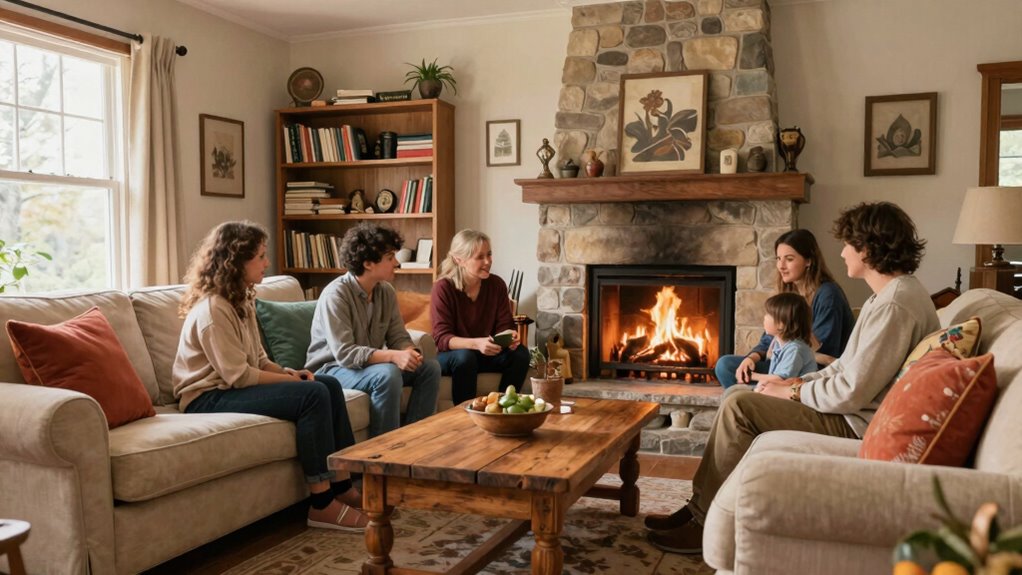
Creating a home where faith conversations flow effortlessly starts with intentionality and a welcoming atmosphere. When you prioritize creating a space that encourages spiritual exploration, you set the foundation for meaningful dialogue. Incorporate spiritual routines into your daily life, such as morning devotionals or prayer times, to foster a sense of shared purpose. These routines help establish a rhythm where faith becomes a natural part of your family’s daily interactions, making it easier for conversations about beliefs, doubts, or spiritual experiences to happen spontaneously.
To make your home inviting for these discussions, pay attention to faith-based decor. Thoughtfully chosen artwork, scriptures framed on the wall, or symbols that hold spiritual significance create visual cues that remind everyone of your shared values. When your living space reflects your faith, it invites curiosity and openness, encouraging family members and guests to engage in faith-related conversations without feeling awkward or out of place. Keep the decor simple yet meaningful—perhaps a centerpiece with a cross or a quote from a favorite spiritual leader—so that it sparks interest and reflection rather than overwhelming the space.
Faith-based decor inspires curiosity and openness, fostering meaningful conversations in a welcoming, reflective home environment.
Creating designated areas for spiritual connection also makes a difference. A cozy corner with comfortable seating, where family members can gather for prayer or discussion, signals that your home values these moments. This space becomes a sanctuary for open dialogue, where everyone feels safe to share their thoughts or questions. Regularly using this space for spiritual routines, like reading scripture or sharing gratitude, gradually normalizes faith conversations, making them a natural part of your home life. Incorporating intentional spiritual environment design can further enhance this atmosphere, helping to reinforce the importance of faith in daily interactions. Additionally, cultivating an environment of spiritual safety encourages deeper trust and openness in sharing personal beliefs or doubts. Creating a nurturing environment where questions are welcomed fosters spiritual growth and honesty within your family. Furthermore, understanding the role of intentionality in shaping your home environment can significantly influence the ease with which faith conversations occur.
Encourage an atmosphere of curiosity and acceptance. When you listen actively and respond with empathy, you help others feel comfortable expressing their beliefs and doubts. This openness invites more frequent and genuine conversations about faith. Additionally, incorporating elements like outdoor spaces or natural settings can promote a relaxed environment where spiritual growth and dialogue flourish. Remember, it’s about creating a culture that celebrates spiritual growth, not perfection. As you integrate faith-based decor and spiritual routines into your daily life, you pave the way for authentic discussions that deepen your connection to each other and your faith.
As an affiliate, we earn on qualifying purchases.
Frequently Asked Questions
How Can I Encourage Children to Participate in Faith Conversations?
You can encourage children to participate in faith conversations by sharing personal stories and exploring spiritual questions together. Create a safe space where they feel comfortable expressing their thoughts and doubts. Ask open-ended questions and listen actively, showing genuine interest. Use everyday moments to discuss faith naturally, making it relevant to their lives. This approach helps them see faith as a meaningful part of daily life, fostering open and honest conversations.
What Are Some Common Obstacles to Open Faith Discussions at Home?
Often, generational gaps and cultural differences create unexpected obstacles to open faith discussions at home. You might find that differing beliefs or communication styles lead to misunderstandings or discomfort. These coincidences remind you to approach conversations with patience and openness, fostering understanding across ages and backgrounds. Recognizing these barriers allows you to build bridges, encouraging honest dialogue and creating a space where faith can be shared naturally, despite differences.
How Do I Handle Disagreements About Faith Topics Peacefully?
When disagreements about faith arise, handle them peacefully by practicing respectful listening and empathy building. Listen attentively without interrupting, showing genuine understanding of their perspective. Acknowledge their feelings and beliefs, even if you disagree. Stay calm, avoid arguing, and focus on finding common ground. By demonstrating respect and empathy, you create a safe space for honest conversations, encouraging everyone to share openly without fear of judgment.
What Role Does Prayer Play in Fostering Faith Conversations?
A little prayer goes a long way—it’s truly a catalyst for fostering spiritual openness. When you pray, you’re inviting God’s presence into your home, creating a safe space for faith conversations to flourish. Prayer helps you listen more deeply, encourages humility, and models vulnerability, inspiring others to share their beliefs. By making prayer a regular practice, you set a tone where faith discussions happen naturally and authentically, strengthening your spiritual bonds.
How Can I Make Faith Discussions Inclusive for All Family Members?
You can make faith discussions inclusive by encouraging interfaith dialogue and respectful listening. Invite each family member to share their beliefs and experiences without judgment, creating a safe space for open dialogue. Show genuine interest in different perspectives, and ask questions that promote understanding. This approach fosters respect and helps everyone feel valued, making faith conversations natural and inclusive for all, regardless of their spiritual background.
Conclusion
Creating a home where faith conversations flow naturally isn’t just about words—it’s about fostering an environment of openness and trust. Remember, studies show that families who engage in regular spiritual discussions report higher levels of overall happiness and connection. By cultivating curiosity, practicing active listening, and welcoming questions, you make faith a comfortable part of everyday life. Keep these principles in mind, and you’ll find meaningful conversations happening effortlessly, strengthening your home’s spiritual foundation.
Halloween Picks
halloween
As an affiliate, we earn on qualifying purchases.