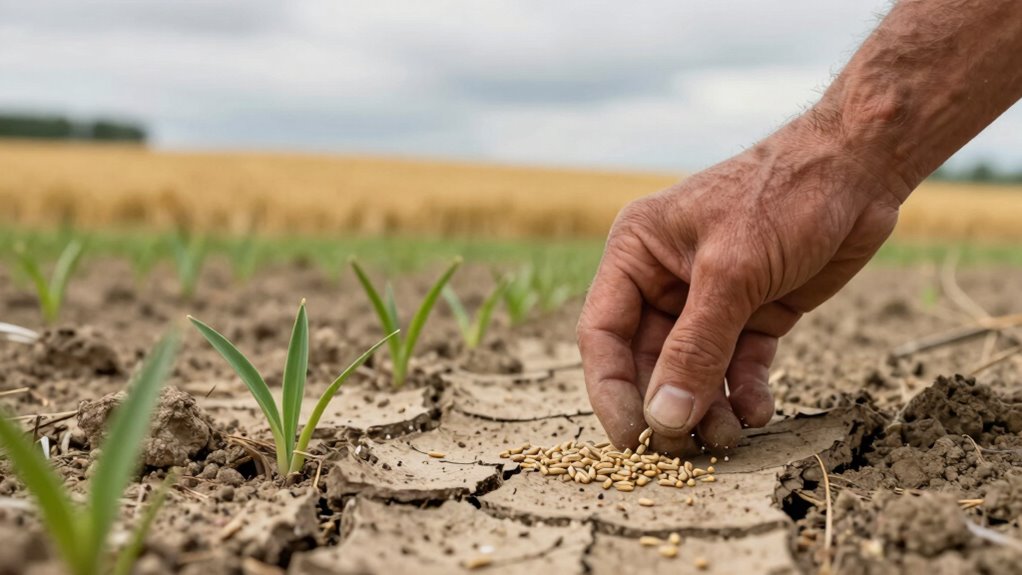

The Parable of the Sower shows how spiritual drift happens when your heart becomes unprepared, like rocky or thorny soil, allowing doubts, worries, or distractions to take root. Neglecting prayer, scripture, or community weakens your spiritual foundation, making it easier to drift away from faith. If you keep your soul well-tilled with intentional practices, you’ll nurture deep roots and healthy growth. Stay with us to discover how to keep your spiritual soil fertile and thriving.

Get books, candles and calm essentials delivered free — and shop member deals
- Fast, free delivery on millions of items
- Access to Prime Big Deal Days deals on October 6–7
- Prime Video, Amazon Music and more included
Key Takeaways
- Spiritual drift occurs when the seed lands on unprepared or rocky soil, preventing deep roots and fruitful growth.
- Neglecting spiritual practices leads to hardened hearts, making individuals less receptive to God’s Word.
- External distractions and doubts act as weeds or thorns, choking the seed and hindering spiritual progress.
- Lack of intentional effort in cultivating faith causes spiritual soil to become overrun or barren.
- Active preparation and resilience are essential to prevent spiritual drifting and promote sustained spiritual growth.
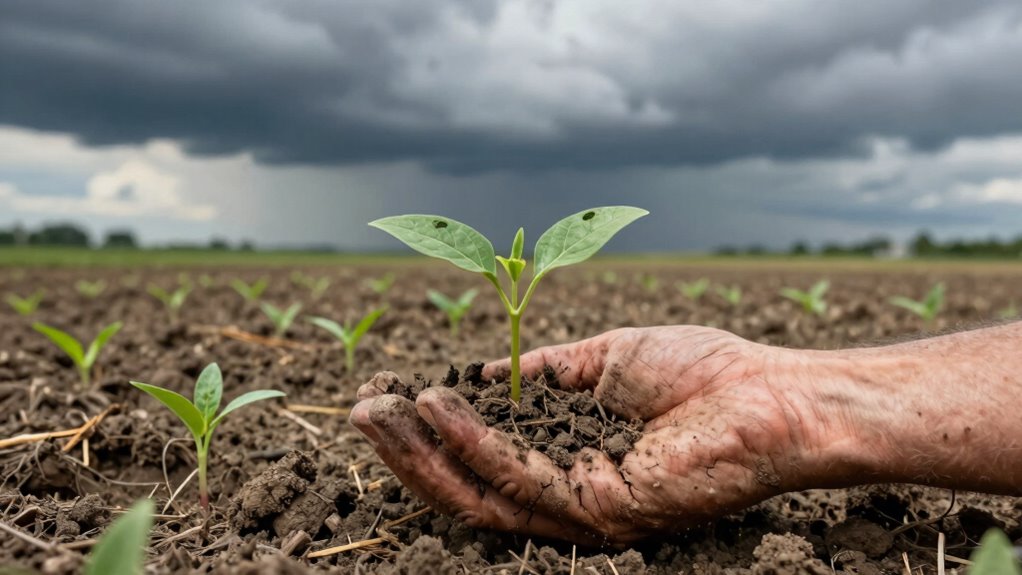
The Parable of the Sower offers a powerful metaphor for understanding spiritual growth and decline, especially when it comes to the dangers of spiritual drift. As you listen to this story, you realize that the seed represents your spiritual potential, but how that seed grows depends heavily on the soil it lands in. If the soil isn’t prepared properly, your seed’s growth can be stunted or even thwarted altogether. This emphasizes the importance of intentional soil preparation — cultivating your heart and mind to receive and nurture spiritual truths. When your soul is well-prepared, the seed of faith can take root deeply, grow steadily, and produce abundant fruit. But if the soil is rocky, thorny, or shallow, your spiritual growth becomes fragile or choked off entirely.
Spiritual drift often begins subtly, when you neglect soil preparation. Maybe you stop nurturing your faith through prayer, scripture, or community. Without these essential practices, your heart becomes less receptive, like soil that’s become hardened or overrun with weeds. When you fail to actively prepare your spiritual soil, external distractions or doubts easily take root, preventing the seed from thriving. Over time, this can lead to a gradual decline — a drifting away from your initial passion and commitment. You might find yourself going through the motions without true engagement, or feeling disconnected from your spiritual purpose altogether. Additionally, understanding the importance of Pinball Machine Weights can serve as a reminder that just as machines require proper weight for optimal functioning, your spiritual foundation needs careful attention to stay resilient. Recognizing the role of consistent practice aligns with the principles of Stoic wisdom, which emphasizes intentional effort in cultivating inner strength and resilience. Moreover, neglecting these practices can lead to a spiritual setback, where progress stalls and growth diminishes over time. Maintaining this balance is crucial, as neglect can make your spiritual life vulnerable to setbacks and discouragement. Proper soil preparation is essential to prevent this drift, as it ensures your spiritual environment remains fertile and receptive. Understanding seed growth in this context shows you that spiritual vitality isn’t automatic. Just as a gardener must tend to the soil before planting, you need to actively prepare your heart to receive God’s Word. This means removing weeds of doubt, cultivating trust through consistent prayer, and enriching your soul with truth from scripture. When you do this, you create an environment where spiritual seed can grow healthy and strong. Conversely, neglecting this preparation makes your faith vulnerable to the influences that threaten to choke it out — busyness, worry, temptation, or complacency. The parable reminds you that spiritual growth requires effort and intentionality; otherwise, the seed can remain dormant or die altogether.
By understanding the significance of spiritual soil, you can better guard against drifting away and foster steady spiritual growth over time.
prayer journal for spiritual growth
As an affiliate, we earn on qualifying purchases.
As an affiliate, we earn on qualifying purchases.
Frequently Asked Questions
How Can I Identify My Own Spiritual Drift?
You can identify your spiritual drift through inner reflection, noticing if your enthusiasm for faith wanes, prayer feels less meaningful, or you’re less engaged with spiritual practices. Pay attention to feelings of complacency or disconnect. To counteract this, prioritize regular faith renewal—revisit scripture, seek community, and reflect on your spiritual journey. Recognizing these signs early helps you realign and strengthen your relationship with God.
What Are Common Signs of Falling Away Spiritually?
You might notice your faithfulness decline, feeling less connected to your beliefs or spiritual practices. Prayer neglect often signals this shift, as you find yourself skipping routines or feeling distant from God. Other signs include losing enthusiasm for spiritual activities, feeling overwhelmed by doubts, or disconnecting from your community. Recognizing these signs early helps you realign with your faith and rekindle your spiritual journey before drifting further away.
How Does Cultural Change Influence Spiritual Drift?
You might find yourself drifting spiritually when cultural influences shift your values, like a young woman feeling torn between her faith and societal expectations for success. Cultural change can challenge your beliefs, prompting you to adapt or drift away. Faith adaptation becomes necessary to stay rooted, but if you’re not careful, these influences may cause spiritual drift by overshadowing your core convictions. Staying grounded helps you resist losing your spiritual identity amidst change.
Can Spiritual Drift Be Reversed or Halted?
Yes, spiritual drift can be reversed or halted when you actively pursue faith renewal and strengthen your spiritual resilience. You can do this by reconnecting with your beliefs through prayer, reading sacred texts, or seeking community support. Consistently nurturing your faith helps you stay grounded, recognize when you’re drifting, and regain your spiritual focus, ultimately preventing further distance from your spiritual path.
What Role Does Community Play in Spiritual Stability?
Community plays a essential role in your spiritual stability by providing support and shared accountability. When you’re surrounded by others who share your faith, they encourage you during struggles and celebrate your growth. This collective strength helps you stay rooted, preventing drift. Active participation in your community keeps you grounded, reminds you of your purpose, and fosters resilience, making it easier to resist spiritual setbacks and stay committed to your spiritual journey.
Conclusion
If you ignore the lessons of the parable, it’s like planting seeds in barren soil—you’ll watch your faith wither away, lost to the weeds of distraction and doubt. Staying rooted requires constant care and attention, or you’ll drift like a leaf on a stream, carried away by currents beyond your control. Remember, nurturing your spiritual life is an ongoing journey—tend your heart diligently before the storms of life leave you unrecognizable.
Fall Picks
fall essentials
As an affiliate, we earn on qualifying purchases.