
To effectively reach the next generation of Hispanic youth, embrace their cultural heritage by integrating music, food, language, and celebrations into your programs. Build authentic relationships through family activities and intergenerational dialogue, creating a welcoming community. Use digital platforms like TikTok and WhatsApp to stay connected and share inspiring content. Partner with local organizations and continuously adapt your strategies to address social challenges. Keep exploring these approaches to develop deeper engagement with Hispanic youth.
Key Takeaways
- Incorporate cultural heritage through music, dance, food, and celebrations to foster connection and identity.
- Build authentic, intergenerational relationships involving families for mutual faith growth and support.
- Use inclusive, vibrant worship environments and community activities that reflect cultural diversity.
- Leverage social media and digital platforms with relatable content to engage youth effectively.
- Establish strategic partnerships with local organizations and regularly evaluate programs to ensure sustainability and relevance.

Worship – Super Easy Songbook | Beginner Piano Sheet Music for Adults and Kids | 60 Worship Songs with Right-Hand Melodies and Chords | Simple Christian Music Book for Church, Home and Self-Learning
Super Easy Piano
As an affiliate, we earn on qualifying purchases.
As an affiliate, we earn on qualifying purchases.
Understanding the Cultural Context of Hispanic Youth

To truly support Hispanic youth in ministry, you need to understand the unique cultural influences shaping their identities. Cultural expressions play an essential role, reflecting their values, traditions, and community ties. These expressions often include music, dance, food, and celebrations that connect them to their heritage. Equally important is language preservation; many Hispanic youth value speaking Spanish as a way to honor their roots and maintain cultural continuity. Recognizing how these elements influence their worldview helps you create meaningful engagement. Additionally, understanding the impact of technology on their communication and social interactions can help tailor your ministry efforts to better connect with them. By respecting their cultural expressions and supporting language preservation, you foster trust and show genuine appreciation for their background. This understanding lays a strong foundation for effective ministry that resonates deeply with their sense of identity.

ESV Spanish/English Parallel Bible (La Santa Biblia RVR / The Holy Bible ESV)
As an affiliate, we earn on qualifying purchases.
As an affiliate, we earn on qualifying purchases.
Building Authentic Relationships Within the Community

To build authentic relationships within your community, you need genuine engagement strategies that foster trust and connection. Focus on creating community-centered activities that resonate with local youth and their families. When you prioritize meaningful interactions, you’ll strengthen bonds and support their spiritual growth. Incorporating socialization opportunities in your outreach efforts can help youth develop confidence and positive behaviors that will benefit them in the long run.
Genuine Engagement Strategies
Building authentic relationships within the community requires genuine engagement strategies that prioritize trust and mutual respect. You can foster this by encouraging intergenerational dialogue, creating spaces where youth and older community members share experiences and wisdom openly. This exchange helps break down barriers and builds understanding. Additionally, incorporating faith-based storytelling connects individuals through shared beliefs and personal testimonies, making faith relevant and relatable. When you listen actively and validate each person’s story, you strengthen bonds and foster a sense of belonging. These strategies show that you value authentic connections over surface-level interactions, helping youth feel seen and supported. Incorporating modern fixtures and techniques can also enhance the environment, making it more welcoming and functional for everyone involved. By focusing on meaningful conversations and shared faith experiences, you lay a solid foundation for lasting relationships within your community.
Community-Centered Activities
Community-centered activities serve as powerful tools for fostering authentic relationships within your congregation. By organizing events that celebrate cultural traditions, you create a space where youth feel connected and valued. Incorporating language preservation initiatives helps strengthen cultural identity and encourages younger generations to embrace their roots. These activities build trust, deepen bonds, and promote understanding among community members. When you engage in shared experiences, you demonstrate genuine care and respect for their heritage. This approach not only nurtures individual identities but also fosters a sense of belonging. You can achieve this through various initiatives, such as:
- Cultural festivals celebrating traditional foods and music
- Language workshops for youth and families
- Community service projects rooted in cultural values
- Storytelling sessions highlighting local histories
- Emphasizing the importance of good lighting to create welcoming environments that facilitate interaction and comfort.

Fullhawl 36 Pcs Around The World Bulletin Board Set Flags of The World Multicultural Hands Cut Out Decorations International Country Flags History Classroom Decor Diversity Back to School Wall Door
Package Included: this around the world bulletin board decorations include 36 pcs handprint flags of the world cutouts…
As an affiliate, we earn on qualifying purchases.
As an affiliate, we earn on qualifying purchases.
Incorporating Bilingual and Bicultural Elements in Programs

You can create stronger programs by embracing language diversity and encouraging participants to switch comfortably between English and Spanish. Celebrate cultural heritage through activities that highlight traditions, music, and stories meaningful to your youth. By fostering an inclusive environment, you help all young people feel valued and connected to their roots. Integrating halal living concepts can also promote respect for diverse cultural practices within your community.
Embrace Language Diversity
Incorporating bilingual and bicultural elements into Hispanic youth ministry programs can considerably strengthen connections and foster inclusivity. By embracing language diversity, you help break down language barriers and make all youth feel valued. Use translation services to guarantee everyone understands and participates fully. Encourage bilingual activities that allow youth to switch seamlessly between languages, fostering comfort and confidence. Recognize and respect different dialects and cultural expressions to build genuine relationships. This approach not only promotes understanding but also enriches the community’s experience. Additionally, incorporating creative practice into activities can inspire innovative ways to engage youth across cultural boundaries.
Celebrate Cultural Heritage
Building on the importance of embracing language diversity, celebrating cultural heritage brings deeper meaning and authenticity to Hispanic youth ministry programs. Incorporate cultural arts such as music, dance, and visual arts to highlight your community’s unique traditions. Plan heritage celebrations that honor specific cultural roots, allowing youth to connect with their history and identity. These activities foster pride and reinforce a sense of belonging. Bilingual elements in programs make heritage more accessible and relatable, encouraging participation from all backgrounds. By showcasing cultural arts and hosting authentic heritage celebrations, you create an environment where youth feel proud of their roots. This approach strengthens their cultural identity and deepens their spiritual journey, making your ministry more meaningful and impactful. Additionally, integrating cultural preservation initiatives can help ensure that these traditions are passed down and maintained for future generations.
Foster Inclusive Environments
Creating an inclusive environment in Hispanic youth ministry means intentionally blending bilingual and bicultural elements into your programs. You foster belonging by encouraging intergenerational dialogue, where youth and elders share stories and perspectives, enriching everyone’s faith journey. Incorporate faith-based arts like music, dance, or visual projects that reflect diverse cultural expressions, making everyone feel seen. Use bilingual resources and activities to connect with young people and their families, breaking language barriers. Celebrate cultural traditions alongside spiritual practices to strengthen identity and faith. This approach creates a space where everyone’s background is valued and integrated, making your ministry more vibrant and welcoming. Incorporating aesthetic wall organization ideas, such as visual displays of cultural artifacts or inspirational quotes, can further enhance the environment and promote a sense of community.
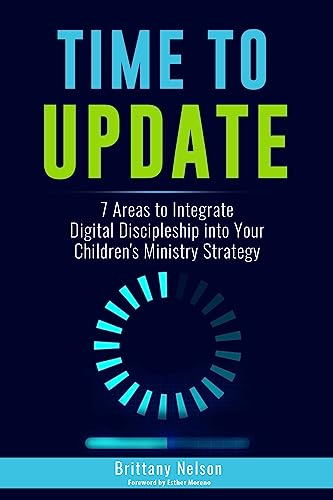
Time to Update: 7 Areas to Integrate Digital Discipleship into your Children's Ministry Strategy
As an affiliate, we earn on qualifying purchases.
As an affiliate, we earn on qualifying purchases.
Engaging Families as Active Participants in Faith Development
How can families become meaningful partners in faith development? The key is fostering intergenerational dialogue that encourages open conversations about faith. When you invite families to share their beliefs and experiences, you create a space where faith formation becomes a shared journey. Encourage parents and grandparents to actively participate in faith activities, offering guidance and support for younger members. You can organize family faith nights, where everyone discusses scripture or spiritual topics together. By involving families directly, you help reinforce faith values at home and in daily life. This approach nurtures a strong faith community and ensures that faith development continues beyond youth programs, strengthening bonds across generations and fostering lifelong spiritual growth. Additionally, understanding divorce processes in various states can help families navigate life changes that may impact their faith journey, providing stability and support during challenging times.
Utilizing Social Media and Digital Platforms Effectively
To connect with Hispanic youth online, you need engaging content strategies that resonate with their interests and values. Choosing the right platforms guarantees your message reaches the right audience, while building a digital community fosters ongoing support and faith sharing. By focusing on these points, you can strengthen your ministry’s impact in the digital space. Incorporating social media and digital platforms effectively can significantly expand your outreach and engagement.
Engaging Content Strategies
Engaging Hispanic youth in ministry requires leveraging social media and digital platforms in ways that resonate with their daily habits. To capture their attention, create content that’s authentic, relatable, and visually appealing. Use short videos of music ministry rehearsals or clips from youth retreats to foster connection and excitement. Incorporate interactive elements like polls or Q&A sessions to encourage participation. Consistently share inspirational messages and testimonies that speak to their experiences. Highlight upcoming events and behind-the-scenes glimpses to build anticipation. Remember, youth are drawn to content that feels genuine and engaging. By blending dynamic visuals with meaningful messages, you’ll strengthen relationships and inspire continued involvement.
- Short videos of music ministry and retreats
- Interactive polls and Q&As
- Inspirational stories and testimonies
- Behind-the-scenes content
Platform Selection Insights
Choosing the right social media and digital platforms is key to connecting with Hispanic youth effectively. Consider where they spend their time online—platforms like TikTok, Instagram, and WhatsApp are popular choices. These platforms allow you to share content that celebrates cultural traditions and promotes language preservation, making your message resonate more deeply. Use visuals, videos, and stories that highlight cultural festivities, bilingual messages, and community events. By selecting platforms that align with their habits, you create opportunities for authentic engagement. Remember, your goal is to meet youth where they are, respecting their cultural roots while fostering a sense of belonging. Thoughtful platform choice helps you build trust and lays the foundation for meaningful spiritual outreach.
Building Digital Community
Building a strong digital community among Hispanic youth requires more than just posting content; it involves actively fostering connection and interaction. You need to create spaces where faith formation becomes meaningful and youth mentorship thrives. Engaging content encourages dialogue, builds trust, and nurtures relationships. Use social media to share stories, prayer groups, or live sessions that invite participation. Respond to comments, ask questions, and promote peer support to strengthen bonds. By emphasizing authenticity and cultural relevance, you help youth feel seen and valued. Digital platforms become a tool for guiding faith and mentorship, inspiring growth beyond virtual interactions. Consistent engagement guarantees your community remains vibrant, connected, and committed to spiritual development.
- Share personal stories and testimonials
- Host live prayer or discussion sessions
- Encourage peer-to-peer mentorship
- Celebrate cultural traditions online
Creating Inclusive Worship Experiences for Diverse Backgrounds
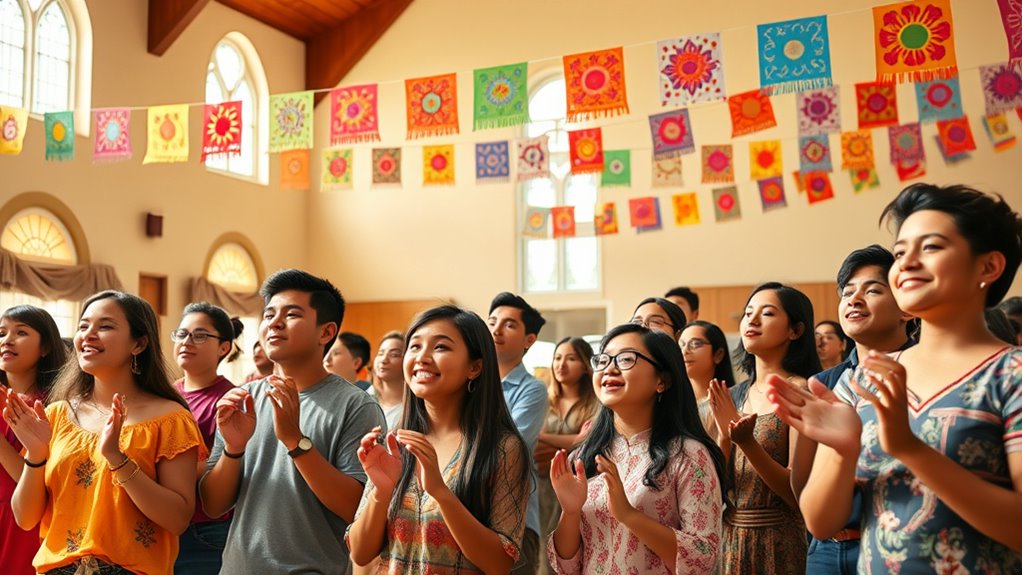
To create truly inclusive worship experiences for diverse backgrounds, you need to intentionally incorporate elements that resonate with different cultural traditions and expressions of faith. Embrace music diversity by blending traditional hymns with contemporary songs from various cultural styles, allowing everyone to feel seen and valued. Adapt prayers to reflect different linguistic preferences and cultural expressions, making them more relatable and meaningful. Incorporate rhythmic patterns, instruments, and melodies that reflect the community’s backgrounds, fostering a sense of ownership and connection. Be mindful of cultural sensitivities and avoid stereotypes. By intentionally blending these elements, you create a space where all youth feel welcome, affirmed, and inspired to participate fully in worship.
Addressing Social and Personal Challenges Facing Hispanic Youth

Hispanic youth often face a range of social and personal challenges that can impact their faith journey and overall well-being. These struggles may include charting cultural expectations, peer pressure, and economic hardships. As a youth leader, your role is to foster resilience by emphasizing the importance of family support and encouraging academic success. Providing guidance and resources helps youth build confidence and stay focused on their goals. Recognize that strong family ties can serve as a foundation for overcoming obstacles, reinforcing faith and identity. Additionally, creating a supportive community can help youth develop healthy coping strategies. By addressing these challenges directly, you empower Hispanic youth to grow spiritually and personally, turning difficulties into opportunities for strength and leadership.
- Emphasize family support and open communication
- Promote academic success and goal-setting
- Provide mentorship and counseling resources
- Foster a safe, inclusive environment
Developing Mentorship and Leadership Opportunities
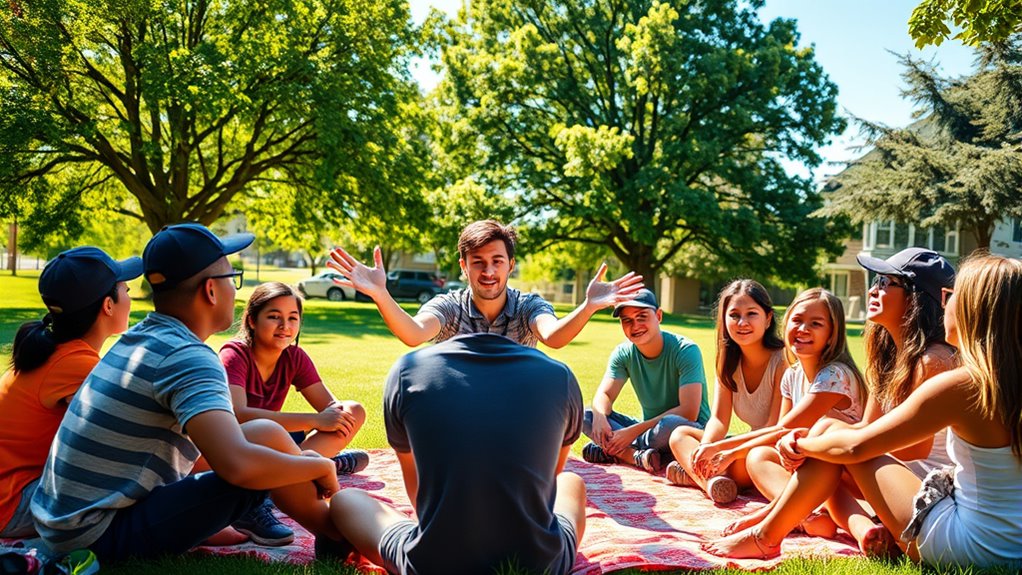
How can you create meaningful mentorship and leadership opportunities that empower Hispanic youth? Start by fostering intergenerational dialogue, where older community members share wisdom and faith-based mentorship with younger generations. This exchange builds trust, strengthens cultural roots, and inspires leadership. Organize programs that invite youth to take active roles, such as service projects or faith-based retreats, encouraging ownership and confidence. Pair young participants with mentors who can guide their spiritual growth and personal development. By emphasizing intergenerational connections, you create a supportive environment where youth feel valued and motivated. These opportunities help develop future leaders rooted in faith and cultural pride, ensuring the next generation remains engaged and empowered within their community.
Collaborating With Local Organizations and Parishioners
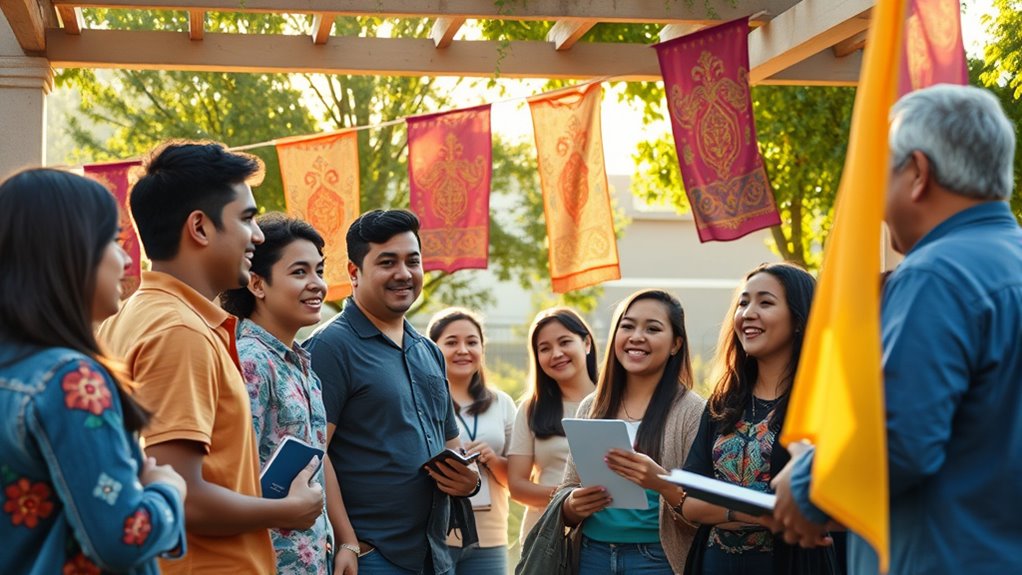
Building strong partnerships with local organizations and parishioners amplifies the impact of youth ministry efforts. Collaborating fosters a sense of community, encourages youth empowerment, and opens doors for meaningful interfaith dialogue. By working together, you can create programs that resonate culturally and spiritually, making youth feel valued and supported. These partnerships allow you to share resources, ideas, and expertise, broadening your reach. Engage local schools, community centers, and faith groups to strengthen your initiatives. Remember, active involvement from parishioners enriches the experience and builds trust. Focus on creating inclusive spaces where youth can express themselves, learn from others, and grow in faith. Your collaborative efforts will help cultivate a vibrant, supportive environment for the next generation.
- Partner with community organizations for cultural events
- Facilitate interfaith dialogue sessions
- Empower youth through joint service projects
- Encourage parishioner involvement in mentorship
Evaluating and Adapting Strategies for Long-Term Engagement
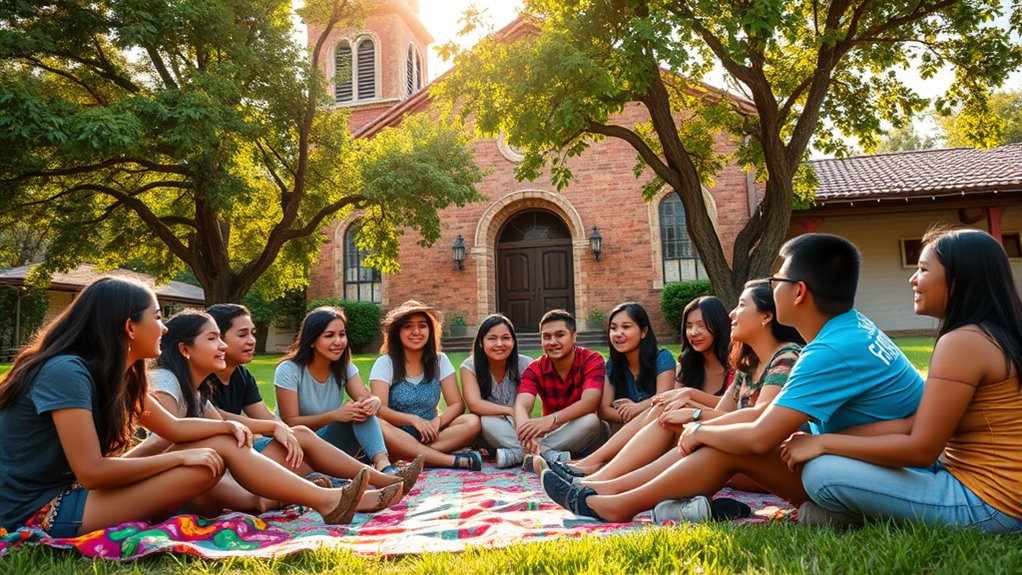
To guarantee your youth ministry efforts remain effective over time, regularly evaluating your strategies is essential. This involves appraising how well your programs foster intergenerational dialogue and support faith mentoring. Engage youth, parents, and elders in honest feedback to identify what’s working and what needs adjustment. Adapt your approach by introducing new activities that promote cross-generation connections, strengthening community bonds. Keep an eye on evolving cultural dynamics and spiritual needs to stay relevant. Consistently measuring engagement levels helps you recognize trends and adjust accordingly. By staying flexible and open to change, you ensure your ministry remains impactful and sustainable, building a foundation where youth feel valued and supported in their faith journey across generations.
Frequently Asked Questions
How Can We Measure the Success of Hispanic Youth Ministry Programs?
You can measure your Hispanic youth ministry program’s success through program evaluation and community feedback. Regularly assess participation rates, spiritual growth, and engagement levels to gauge impact. Collect honest feedback from youth, parents, and volunteers to identify strengths and areas for improvement. By combining these methods, you’ll gain a clear picture of your program’s effectiveness and how well it’s resonating with the next generation.
What Are Effective Ways to Address Language Barriers Among Youth and Families?
You can break down language barriers by providing bilingual resources that make everyone feel included. Use simple, clear communication and translate key materials to guarantee understanding. Focus on cultural bridge building by celebrating traditions and encouraging dialogue. This approach turns language differences into opportunities for connection, creating an environment where youth and families feel valued and understood—because when communication flows smoothly, your ministry can grow faster than a wildfire!
How Can We Ensure Cultural Sensitivity in All Aspects of Ministry?
You can guarantee cultural sensitivity by fostering cultural awareness among your team and community. Incorporate diverse traditions, languages, and perspectives into your programs, demonstrating genuine respect and understanding. Prioritize spiritual inclusivity by creating a welcoming environment where every youth feels valued and heard. Regularly seek feedback from families and youth to adapt your approach, showing that you honor their unique backgrounds and spiritual journeys, strengthening your ministry’s impact.
What Training Do Youth Leaders Need to Better Serve Hispanic Youth?
You need training in cultural competence and faith formation to better serve Hispanic youth. Focus on workshops that explore cultural traditions, language nuances, and faith practices unique to Hispanic communities. Develop skills in active listening, empathy, and inclusive communication. This training helps you create a welcoming environment, build trust, and foster spiritual growth. By understanding their cultural background, you can more effectively guide and inspire Hispanic youth in their faith journey.
How Can We Sustain Long-Term Engagement Beyond Initial Outreach Efforts?
You can sustain long-term engagement by focusing on community building and consistent mentorship programs. Foster meaningful relationships through regular activities and open communication, making youth feel valued and connected. Implement mentorship initiatives that guide and support them, helping build trust and loyalty. By prioritizing ongoing involvement and creating a strong sense of belonging, you’ll encourage sustained participation and deepen their commitment beyond initial outreach efforts.
Conclusion
As you nurture the next generation, picture vibrant sunsets over lively gatherings, where hearts connect across language and culture. Your efforts become the steady hand guiding young minds through challenges, lighting a path filled with hope and faith. Embrace the rich tapestry of Hispanic traditions, families, and digital voices. With each relationship you build, you plant seeds of resilience and love—creating a legacy that will shine brightly for generations to come.