
The increasing frequency and severity of earthquakes and pandemics may seem like signs of the world’s end, but they often point to deeper systemic issues. Climate change worsens natural disasters and expands disease habitats, while technological vulnerabilities leave societies more unprepared. These events challenge us to understand their interconnectedness and address root causes. If you want to explore how these crises reflect our collective vulnerabilities and what actions can help, there’s more to contemplate.
Key Takeaways
- Increasing frequency of natural disasters and pandemics may reflect systemic environmental and societal instabilities.
- Climate change contributes to more severe earthquakes and expanded disease vector habitats, intensifying crises.
- Technological vulnerabilities, like cyberattacks, can amplify chaos during overlapping disasters.
- Disasters are often viewed as signs of larger systemic issues rather than literal end-of-world events.
- Collective action and resilience are crucial to address root causes and mitigate perceived signs of societal collapse.

Earthquakes and pandemics are both powerful forces that can drastically disrupt societies, often striking when least expected. As you observe these events unfold, it’s natural to wonder if they’re signs of something larger or more ominous on the horizon. While they seem separate—one geological, the other biological—they are interconnected in ways that reflect the fragile balance of our world. Climate change, for instance, plays a significant role in intensifying the frequency and severity of natural disasters, including earthquakes. As rising temperatures contribute to melting glaciers and shifting tectonic pressure, some scientists suggest that the Earth’s crust becomes more prone to movement. Meanwhile, climate change also fuels pandemics by expanding the habitats of disease-carrying vectors like mosquitoes, increasing the chances of outbreaks that can cripple communities. The rapid pace of technological disruption further complicates these phenomena. Advances in monitoring and early warning systems can help save lives, but they also bring new vulnerabilities. Cyberattacks can disable critical infrastructure, leaving cities unprepared for earthquakes or health emergencies. Societies that rely heavily on technology risk losing essential services at pivotal moments, amplifying chaos during disasters. You might wonder whether these disruptions are merely coincidental or if they signal a broader decline. When natural disasters and health crises occur in quick succession or with increasing intensity, it’s tempting to interpret these patterns as signs of an impending end. Yet, it’s important to recognize that these events are also symptoms of systemic issues—climate change accelerating environmental instability and technological reliance creating new risks. Understanding these connections allows you to see beyond the immediate chaos and grasp the larger picture. It’s not just about awaiting catastrophic signs but about actively addressing the root causes. Reducing greenhouse gas emissions, investing in resilient infrastructure, and safeguarding digital systems can mitigate some of these risks. Recognizing the signs doesn’t mean succumbing to fear but rather empowering yourself with knowledge and preparedness. As society faces these complex challenges, your role becomes vital in advocating for sustainable practices and technological safeguards. The more aware you are of how climate change and technological disruption influence natural and health crises, the better equipped you’ll be to respond effectively. While earthquakes and pandemics may continue to test our resilience, they also highlight the importance of global cooperation and proactive measures. Instead of viewing these events solely as signs of an end, see them as calls to action—reminders that our choices today shape the world of tomorrow.

Complete Earthquake Bag – Emergency Kit for Earthquakes, Hurricanes, Wildfires and Other Disasters – Built for 2 Person for a 3 Day Period
COLOR-CODED ORGANIZATION SYSTEM: Built for 2 Person for a 3-Day Period, Organized in Re-sealable Waterproof Packs
As an affiliate, we earn on qualifying purchases.
As an affiliate, we earn on qualifying purchases.
Frequently Asked Questions
How Do Climate Change and Environmental Factors Influence Earthquake and Pandemic Frequency?
Climate change and environmental factors influence earthquake and pandemic frequency through climate feedbacks and environmental stress. As climate feedbacks accelerate warming, they increase environmental stress, which can destabilize ecosystems and geological systems. This stress may trigger more earthquakes and create conditions that favor the spread of pandemics. You should recognize that these interconnected factors amplify risks, making it vital to address climate change to reduce future disaster likelihood.
What Historical Patterns Link Major Earthquakes With Subsequent Pandemics?
Like a trigger waiting to be pulled, major earthquakes often precede pandemics in history. Seismic precursors signal tectonic stress release, which can disrupt ecosystems and human habitats, fostering conditions for disease spread. Historically, pandemics tend to emerge within pandemic timelines following significant seismic events, suggesting a pattern where natural disasters unsettle societal stability and health, highlighting interconnected risks that span geological and biological domains.
Are There Predicted Future Earthquakes or Pandemics Based on Current Data?
Based on current seismic forecasting and pandemic modeling, predictions for future earthquakes or pandemics remain uncertain. While scientists use advanced data analysis and patterns to forecast potential risks, no definitive timelines exist. You should stay informed through reliable sources, as ongoing research helps improve forecasting accuracy. Remember, preparedness is key, even if specific dates aren’t predictable, so keep safety measures in place and monitor scientific updates regularly.
How Do Societal Responses Differ Between Earthquakes and Pandemics?
Ever imagine how society reacts differently to sudden earthquakes versus prolonged pandemics? You notice that during earthquakes, public compliance is immediate, focusing on safety and quick evacuation, while resource allocation is swift but limited. In pandemics, compliance takes longer as people adapt to ongoing guidelines, and resources are stretched over time. Do you see how the duration and nature of each crisis shape distinct societal responses?
Can Technology Predict or Prevent Earthquakes and Pandemics Effectively?
Technology, especially machine learning, can help predict earthquakes and pandemics through early warning systems, but it can’t prevent them entirely. You benefit from improved detection and response times, giving you vital moments to prepare or evacuate. While these tools enhance safety, they don’t eliminate the risks. You should still stay informed and follow safety protocols, as technology complements but doesn’t replace traditional measures for disaster prevention.

Prepper's Pantry: Build a Nutritious Stockpile to Survive Blizzards, Blackouts, Hurricanes, Pandemics, Economic Collapse, or Any Other Disasters
As an affiliate, we earn on qualifying purchases.
As an affiliate, we earn on qualifying purchases.
Conclusion
As you witness these powerful events, you might wonder if they’re signs of something greater looming on the horizon. Earthquakes shake the ground beneath your feet, while pandemics test the resilience of societies. Do these upheavals signal an end or simply remind us of nature’s unstoppable force? Perhaps, in these moments of chaos, you’re called to reflect on our fragile existence and the need to prepare for whatever the future holds. Are you ready to face what’s next?

Ready America 72 Hour Deluxe Emergency Kit, 2-Person 3-Day Backpack, First Aid Kit, Survival Blanket, Power Station, Emergency Food, Portable Disaster Preparedness Go-Bag for Earthquake, Fire, Flood
72-hour emergency kit for disaster preparedness: Stay prepared for emergency situations everywhere you go. Ready America emergency survival…
As an affiliate, we earn on qualifying purchases.
As an affiliate, we earn on qualifying purchases.
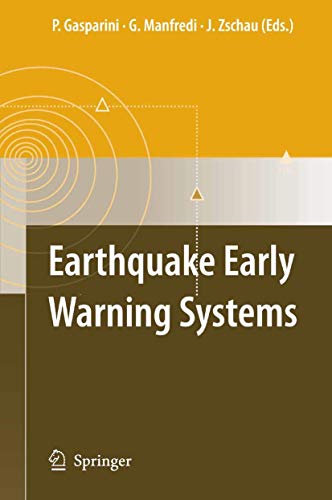
Earthquake Early Warning Systems
Used Book in Good Condition
As an affiliate, we earn on qualifying purchases.
As an affiliate, we earn on qualifying purchases.