
The Doomsday Clock symbolically warns you about humanity’s proximity to catastrophe, driven by nuclear risks and environmental crises like climate change. It reflects urgent threats that resemble biblical end-times prophecies of chaos, natural disasters, and moral decay. These risks are interconnected, pushing us closer to disaster if ignored. Staying aware of these parallels highlights the importance of immediate action. Keep exploring to understand how these warnings align and what steps may help prevent the worst.
Key Takeaways
- The Doomsday Clock symbolizes humanity’s proximity to global catastrophe, reflecting threats like nuclear tensions and environmental crises.
- Biblical prophecy describes end-times scenarios involving chaos, natural disasters, and moral decay, paralleling current crises.
- Both the clock and biblical warnings emphasize urgent action to prevent disaster and moral decline.
- The clock’s recent setting “just minutes to midnight” mirrors biblical apocalyptic imagery of imminent judgment.
- Understanding these symbols highlights the importance of addressing interconnected global threats to avoid fulfilling prophetic visions.

The Doomsday Clock serves as a symbolic warning about how close humanity is to catastrophic disaster, but its implications often seem to echo themes found in biblical prophecy. As you consider this clock’s ominous ticking, you can’t help but notice how it reflects ongoing threats like nuclear tensions and environmental crises. These issues threaten global stability, pushing civilization toward a potential tipping point. The clock’s current setting, just minutes to midnight, underscores the urgency of these dangers. Nuclear tensions between major powers escalate as nations modernize arsenals and withdraw from arms control treaties, increasing the risk of conflict. This buildup isn’t just about geopolitics; it’s about human survival. A miscalculation or accidental launch could trigger devastation comparable to biblical visions of apocalyptic destruction. Meanwhile, environmental crises compound the threat. Climate change accelerates, melting glaciers and raising sea levels, while natural disasters become more frequent and severe. These events threaten food security, water supplies, and habitat stability, creating a scenario that feels eerily similar to apocalyptic prophecies warning of chaos and destruction. When you look at these intertwined crises, it’s easy to see how they resemble biblical warnings about the end times—visions of nations in turmoil, natural calamities, and moral decay. The biblical prophets spoke of a world in upheaval, and today, the signs seem to align with their descriptions. The Doomsday Clock acts as a stark reminder that human actions are pushing us toward these very scenarios. It emphasizes that ignoring nuclear tensions and environmental crises only heightens the risk of catastrophic collapse. You might think that these threats are separate or distant, but they’re deeply interconnected, each magnifying the other’s dangers. As political leaders debate treaties and environmental policies, the clock keeps ticking, reminding us that every delay might bring us closer to the edge. Biblical prophecy often describes a world on the brink, and the current global landscape feels disturbingly similar—full of warnings, chaos, and the urgent need for change. The clock’s symbolism urges you to reflect on what’s at stake. It’s not just about avoiding nuclear war or environmental disaster; it’s about safeguarding humanity’s future. The clock’s message is clear: the time to act is now. If we ignore these warnings, we risk fulfilling the very prophecies that foretell a world in turmoil—where the line between myth and reality blurs. You have the power to influence the outcome, but only if you recognize the severity of the threats and push for meaningful solutions. Recognizing the interconnection of global crises underscores the importance of comprehensive action to prevent catastrophe.

Doomsday Clock #1 (2nd) VF ; DC comic book | Geoff Johns B&W
Written by Geoff Johns
As an affiliate, we earn on qualifying purchases.
As an affiliate, we earn on qualifying purchases.
Frequently Asked Questions
How Accurate Is the Doomsday Clock Compared to Biblical Timelines?
The Doomsday Clock isn’t very accurate compared to biblical timelines because it’s based on scientific predictions about global risks, like nuclear threats and climate change. While it provides a warning, it doesn’t align with the theological perspectives that interpret biblical prophecies as divine plans. You should see the clock as a symbolic tool, not a precise predictor, since biblical timelines involve faith and spiritual interpretations beyond scientific measures.
Do Biblical Prophecies Predict Specific Dates for Global Catastrophe?
You might feel like biblical prophecies are a crystal ball predicting exact dates, but they rarely specify precise timelines. Instead, biblical symbolism and prophetic symbolism often serve as warnings or moral lessons, like a lighthouse guiding ships away from danger. For example, Jesus spoke of “wars and rumors of wars,” not exact dates, reminding us that these prophecies focus on signs and moral preparation rather than specific catastrophe dates.
Can the Doomsday Clock Inform Us About Spiritual or Moral Decline?
Yes, the Doomsday Clock can inform you about moral decay and spiritual decline by symbolizing how close humanity is to global catastrophe. It encourages you to reflect on societal issues like moral decay and spiritual decline, urging action to address these problems. While it’s not a direct measure of spirituality, its symbolism reminds you that neglecting moral and spiritual health can increase risks of disaster.
Are There Connections Between the Doomsday Clock and End-Times Biblical Events?
You see, the Doomsday Clock and end-times biblical events both use cosmic symbolism and prophetic symbolism to convey urgency and moral warnings. While the clock symbolizes our proximity to disaster, biblical prophecy often depicts cosmic signs signaling divine intervention. Though they stem from different traditions, both encourage reflection on moral decline and the need for change, highlighting humanity’s shared concern about the future and spiritual well-being.
How Do Different Religious Interpretations Influence Views on the Doomsday Clock?
Your faith-based perspectives deeply influence how you view the doomsday clock, shaping your understanding of its significance. Different religious interpretations, such as Christian, Muslim, or Jewish teachings, bring unique theological implications that can either heighten or diminish concerns about global threats. As you consider these perspectives, you realize that your beliefs inform your sense of urgency, hope, or caution regarding humanity’s future and the potential for end-times events.

Understanding Biblical Prophecy: A 30-Day Bible Study
As an affiliate, we earn on qualifying purchases.
As an affiliate, we earn on qualifying purchases.
Conclusion
As you watch the hands of the Doomsday Clock inch closer to midnight, imagine the shadow of biblical prophecy stretching over the horizon, dark and unavoidable. The ticking seconds echo like thunder, reminding you that time is slipping away. In this tense moment, you realize that understanding both the clock and the scriptures helps you see the fragile balance of our world—an urgent call to reflect before the final hour strikes.
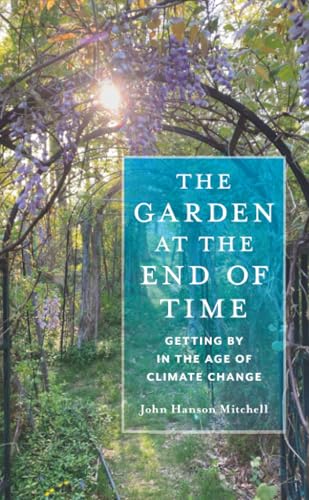
The Garden at the End of Time: Getting By in the Age of Climate Change
As an affiliate, we earn on qualifying purchases.
As an affiliate, we earn on qualifying purchases.

Earth Science DVD by Rock 'N Learn
As an affiliate, we earn on qualifying purchases.
As an affiliate, we earn on qualifying purchases.