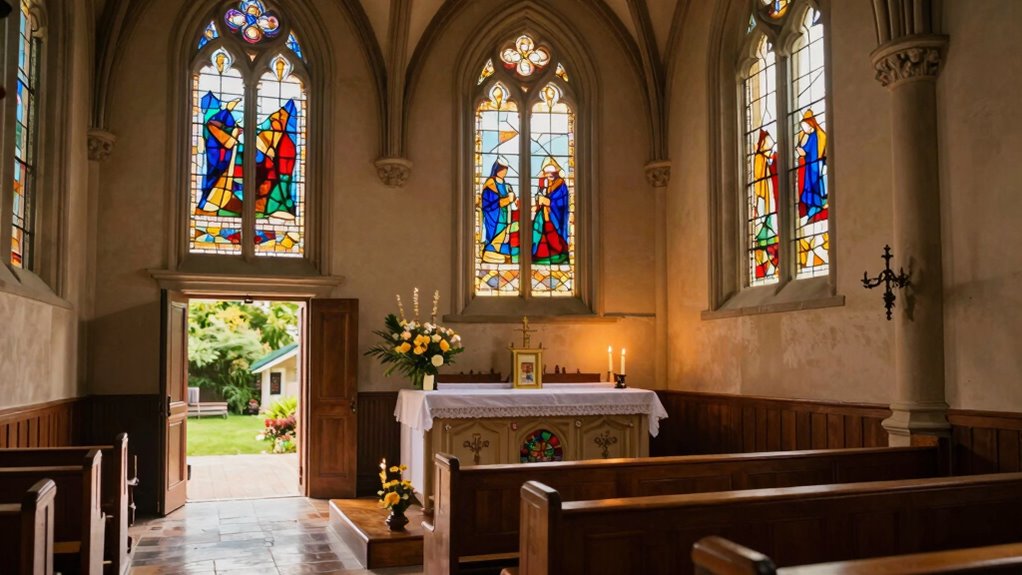

A church feels spiritually safe and healthy when you experience open communication, where leaders are transparent and admit mistakes, fostering trust. Building genuine relationships encourages vulnerability, support, and emotional resilience. Creating a welcoming space free from judgment and discrimination helps everyone feel accepted. Incorporating safety protocols and inclusive practices shows care for physical and emotional well-being. If you want to explore more ways to cultivate such an environment, keep exploring these essential elements.
Prime for Young Adults — start your free trial
Fast free delivery, streaming and member deals for eligible 18–24 year olds.
As an affiliate, we earn on qualifying purchases.
Key Takeaways
- Foster an environment of openness, honesty, and respect through transparent leadership and active listening.
- Encourage vulnerability and sharing of struggles and victories to build emotional resilience.
- Implement clear safety and inclusivity protocols that promote physical, emotional, and spiritual well-being.
- Support community bonding through outdoor spaces, prayer groups, and acts of kindness.
- Utilize technology and best practices to create engaging, secure, and welcoming worship experiences.

Ensuring safety and wellness in a church setting is essential for creating a welcoming environment where everyone feels secure and cared for. When your community actively participates in creating a safe space, it fosters a sense of belonging and trust. Community engagement isn’t just about attendance; it’s about building relationships, encouraging open communication, and making everyone feel valued. When people see their voices heard and their needs addressed, they develop emotional resilience, which helps them cope with life’s challenges. A church that promotes community involvement encourages members to support one another, creating a network of care that strengthens mental and emotional health. Incorporating outdoor spaces like gardens or seating areas can further enhance the sense of community and relaxation within the church grounds.
Creating an environment where people feel spiritually safe also depends on your leadership’s ability to foster transparency and trust. When leaders openly communicate, admit mistakes, and listen without judgment, it encourages others to do the same. This openness helps prevent misunderstandings and builds a culture of honesty and respect. Emotional resilience grows when members know they are supported in times of difficulty, whether through prayer, counseling, or simple acts of kindness. When your church actively promotes these connections, it reduces feelings of isolation and reinforces the idea that everyone is part of a caring community. Additionally, understanding projector technology can help churches create engaging visual environments that support worship and community events. Incorporating safety protocols based on best practices can also enhance trust by demonstrating a proactive approach to physical security.
Transparent leadership fosters trust, encourages openness, and builds a caring community that supports emotional resilience and growth.
Physical safety is equally important in making a church feel healthy and secure. Implementing clear safety protocols, such as secure entrances, emergency plans, and trained staff or volunteers, reassures members that their wellbeing is a priority. Regular safety drills and visible signs of security help everyone remain calm and prepared in case of an emergency. Beyond physical safety, emotional safety hinges on creating an environment free from judgment, discrimination, or hostility. This requires ongoing education about inclusivity and respect, fostering a culture where all members, regardless of background, feel accepted and loved.
A spiritually safe church nurtures emotional resilience by encouraging members to share their struggles and celebrate their victories. Offering support groups, counseling services, or prayer circles can strengthen bonds and help individuals develop coping skills. When members see their church as a refuge where they can be vulnerable, they’re more likely to grow in faith and resilience. Ultimately, a healthy church balances physical safety, emotional support, and community engagement to create an environment where everyone feels secure, valued, and spiritually uplifted. This holistic approach ensures that your church isn’t just a gathering place but a sanctuary of genuine care and resilience.
As an affiliate, we earn on qualifying purchases.
Frequently Asked Questions
How Can I Tell if a Church Truly Fosters Spiritual Safety?
You can tell if a church fosters spiritual safety by observing how it encourages spiritual vulnerability and trust building. If members feel comfortable sharing struggles without judgment and leaders listen empathetically, it’s a good sign. A healthy church promotes open communication, respects boundaries, and nurtures a supportive environment. When you notice genuine care and confidentiality, you’ll feel more secure to grow spiritually within that community.
What Signs Indicate a Healthy Church Environment?
You’ll notice a healthy church environment through its genuine community outreach and welcoming worship atmosphere. If members actively serve beyond the walls and newcomers feel embraced, it signals vibrancy. A positive worship atmosphere, where everyone feels free to express their faith, also indicates health. These signs suggest a church fosters connection, growth, and safety—creating a space where your spirit can flourish without fear or judgment.
How Do Churches Address Conflicts or Disagreements Among Members?
When conflicts arise, your church addresses disagreements through conflict resolution strategies and pastoral counseling. Leaders encourage open communication, listening to all sides with empathy. They facilitate discussions to find common ground and prevent escalation. Pastoral counseling offers personalized guidance, helping individuals process feelings and resolve issues biblically. This proactive approach fosters a safe, supportive environment where members feel heard, valued, and spiritually nurtured, strengthening the church community.
What Role Does Leadership Play in Creating a Safe Space?
Leadership plays a essential role in creating a safe space by fostering leadership transparency and staff accountability. You’ll notice that when leaders openly communicate and take responsibility, it encourages trust and openness among members. This environment helps everyone feel secure to share, grow, and connect spiritually. Your church becomes a place where vulnerability is valued, and everyone feels supported, ultimately nurturing a healthy, safe, and spiritually enriching community.
How Can New Members Feel More Welcomed and Secure?
You can help new members feel more welcomed and secure by actively involving them in community engagement activities. Encourage personal growth by offering mentorship or small groups where they can connect and share openly. Greet newcomers warmly, listen attentively, and invite their participation in church events. Showing genuine care and fostering a sense of belonging nurtures trust, making them feel valued, safe, and enthusiastic to grow spiritually within your church community.
Conclusion
Creating a spiritually safe and healthy church environment means fostering trust, open communication, and genuine care. Imagine a church where members feel comfortable sharing struggles without fear of judgment—like a recent case where a member found healing through supportive prayer and honest conversations. When you prioritize safety and authenticity, your church becomes a refuge for everyone, encouraging growth and deepening faith. Together, you can build a community that truly nurtures the soul.
Fall yard work Picks
leaf blowers
As an affiliate, we earn on qualifying purchases.