

Advent is a special season in the Christian calendar that helps you prepare for Christmas by focusing on reflection, prayer, and meaningful traditions. You can observe it by lighting candles on an Advent wreath, reading scripture, and using calendars that count down to Jesus’ birth. Many churches and families incorporate themes of hope, peace, joy, and love into their celebrations. Keep exploring to discover more ways to make this season deeply personal and spiritually enriching.
Key Takeaways
- Advent is a Christian season of reflection, anticipation, and preparation for celebrating Jesus Christ’s birth.
- It begins four Sundays before Christmas, focusing on themes like hope, peace, joy, and love.
- Observances include lighting an Advent wreath, scripture readings, prayer, and using Advent calendars.
- Christians prepare their hearts and homes through decorations, prayer, and spiritual practices.
- Modern practices incorporate devotionals, prayer apps, and social sharing to deepen engagement during Advent.
Top picks for "advent christian observe"
Open Amazon search results for this keyword.
As an affiliate, we earn on qualifying purchases.
The Origins and History of Advent
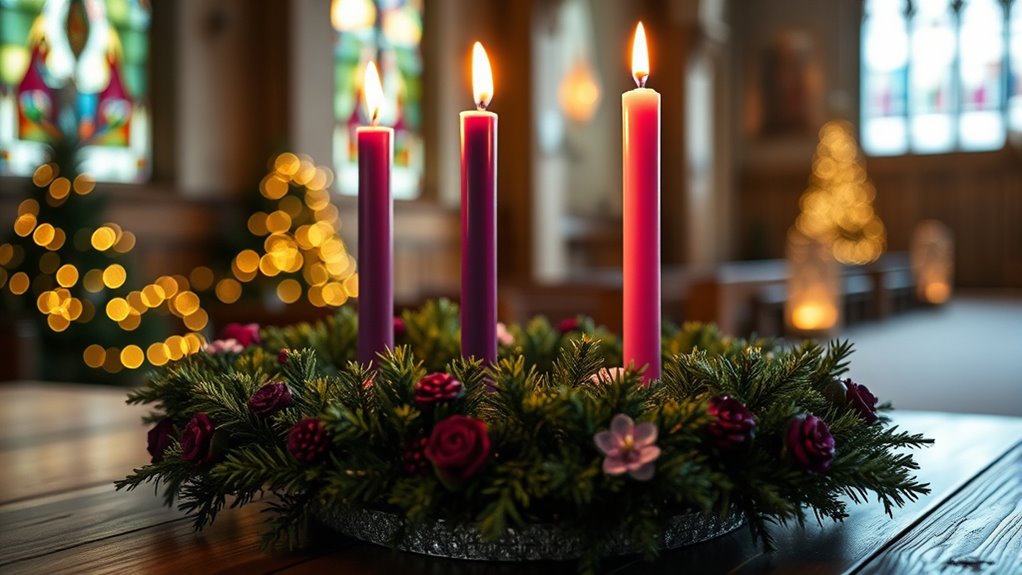
Advent has roots that date back to early Christian practices, serving as a season of preparation for celebrating the birth of Jesus Christ. The Advent origins trace to the 4th and 5th centuries, when Christians began setting aside time for reflection and anticipation. Its historical development involved various customs, including fasting and prayer, to prepare believers spiritually. Over time, the observance became more structured, with the introduction of liturgical calendars and specific themes for each Sunday. During the Middle Ages, Advent gained prominence as a formal season in the church calendar. Today, its roots remain grounded in the desire to ready oneself spiritually for Christmas, blending ancient traditions with modern practices. Additionally, the influence of religious traditions and cultural adaptations has helped shape how Advent is observed across different communities worldwide. This evolution highlights how Advent has grown into a meaningful period of anticipation for Christians everywhere.
The Significance of the Advent Season in Christianity

Have you ever wondered why the season of Advent holds such deep significance for Christians? It’s a time for reflection on hope, preparation, and anticipation of Christ’s arrival. Advent symbolism, like candles and wreaths, helps you focus on these themes. Seasonal reflections during this period remind you of the spiritual journey, encouraging introspection and renewed faith. This season emphasizes waiting with purpose and recognizing God’s promises fulfilled in Jesus. The significance lies in both honoring past prophecies and preparing your heart for Christmas. Understanding the spiritual symbolism behind these traditions deepens your connection to their meaning.
The Four Sundays of Advent: Themes and Symbols

The four Sundays of Advent each bring a unique focus, guiding you through a spiritual journey of preparation and reflection. Each Sunday is marked by specific Advent symbolism, such as candles, wreaths, and colors, representing themes like hope, peace, joy, and love. These symbols help you connect visually to the season’s deeper meaning. Advent music also plays a crucial role, with hymns and carols emphasizing these themes and elevating your spiritual experience. As you light the candles on the wreath each week, you deepen your awareness of the growing anticipation for Christ’s arrival. Understanding store hours can help you plan your holiday shopping trips more effectively, ensuring you don’t miss the opportunity to participate in Advent traditions. Together, symbolism and music create a rich, immersive environment that prepares your heart for the celebration of Christmas.
Traditional Advent Practices and Customs

You might light the Advent wreath each week to symbolize hope and anticipation, while reading daily scriptures helps you reflect on Christ’s promise. Traditional Advent calendars offer a countdown to Christmas, making the season more meaningful. These customs connect you to centuries of faith and deepen your spiritual anticipation. Incorporating meaningful symbols into your observance can further enrich your spiritual journey during this special time.
Advent Wreath Significance
What makes the Advent wreath a meaningful symbol during the season is its rich tradition of representing hope and anticipation. The advent wreath symbolism centers around the circular shape, signifying eternity and God’s everlasting love. Its four candles traditionally represent the four weeks of Advent, each symbolizing hope, peace, joy, and love. As you light a new candle each week, it reminds you of the growing anticipation for Christ’s arrival. The advent wreath history dates back centuries, originating in Germany in the 16th century as a way for families to mark the passage of Advent days. Over time, it became a cherished Christian practice, emphasizing spiritual preparation and the promise of new life through Christ. Additionally, the symbolic significance of the wreath encourages reflection on the spiritual journey leading up to Christmas.
Daily Scripture Readings
During Advent, many Christians incorporate daily scripture readings into their spiritual practice to deepen their anticipation of Christ’s coming. These readings, often drawn from the Bible, foster seasonal reflections and strengthen your connection to Advent symbolism. They serve as a daily reminder of hope, peace, joy, and love, guiding your focus during this sacred season. You might read passages from Isaiah or the Gospels, aligning your heart with the theme of each week. To make this meaningful, consider using a chart to organize your readings:
| Day | Scripture Focus | Reflection Theme |
|---|---|---|
| 1 | Isaiah 9:6 | Hope |
| 2 | Luke 1:26-38 | Faith |
| 3 | John 1:1-5 | Light |
| 4 | Psalm 24:7-10 | Majesty |
| 5 | Matthew 1:18-25 | Expectation |
Engaging in daily scripture reading during Advent aligns with the practice of strengthening faith and hope, much like how ethical hacking involves continuous assessments to improve security.
Traditional Advent Calendars
Traditional Advent calendars are beloved customs that help families and individuals count down the days to Christmas. They add excitement and anticipation to the season through various features. For example, you might:
- Open a door daily to reveal a small surprise, like a saint’s image or a festive picture.
- Use the calendar as a guide for advent recipes, baking cookies or preparing holiday treats each day.
- Incorporate daily reflections or scripture readings to deepen your spiritual connection.
- Enhance holiday decorating by placing the calendar in a prominent spot, tying it into your overall décor.
- Many traditions also include daily prayer practices, which help reinforce the spiritual significance of the season.
These traditions make the countdown meaningful and engaging, blending fun with faith. Whether you prefer classic wooden calendars or paper ones, they add a special touch to your Christmas preparations.
The Advent Calendar: Counting Down to Christmas

Have you ever wondered how a simple calendar can build anticipation for Christmas? The Advent calendar does just that by marking each day leading up to the holiday. It’s more than just a way to count days; it’s filled with Advent symbolism that reminds you of Jesus’ coming and His significance. Many calendars feature symbols like stars, angels, and images representing hope and faith. As you open each door or window, you might hear Advent music that enhances the spiritual atmosphere, helping you reflect on the season’s true meaning. This daily ritual encourages patience and focus, making the wait for Christmas more meaningful. The countdown becomes an act of devotion, drawing you closer to the joy and anticipation of Christ’s arrival. Additionally, understanding the significance of Advent traditions can deepen your appreciation for this special season.
The Role of Scripture and Prayer During Advent

Scripture and prayer are central to observing Advent because they help you focus on the true meaning of the season. Engaging in Bible study allows you to reflect on the prophecies and the significance of Christ’s coming. Prayer meditation deepens your connection with God, fostering patience and hope. To enrich your Advent experience, consider these activities:
- Dedicate time daily for Bible study, exploring passages about prophecy and anticipation.
- Practice prayer meditation, quietly listening for God’s guidance and preparing your heart.
- Use Advent devotionals that combine scripture readings with reflective prayer.
- Keep a prayer journal to record your thoughts, prayers, and insights during this season.
- Incorporate drift in gear techniques during prayer to maintain focus and deepen your spiritual practice.
These practices anchor you in the spiritual focus of Advent, helping you prepare spiritually for Christmas.
Celebrating Advent in Different Christian Denominations

Different Christian denominations observe Advent in unique ways, especially in their liturgical practices and traditions. You’ll notice variations in how they mark the season and the special customs they incorporate. Exploring these differences reveals the rich diversity in how believers celebrate this meaningful time. While some communities incorporate special advent traditions, others may focus more on prayer and reflection, demonstrating the broad spectrum of worship during this season.
Liturgical Variations Across Denominations
Across Christian denominations, the way Advent is celebrated varies considerably, reflecting diverse liturgical traditions and theological emphases. You’ll notice differences shaped by distinct liturgical calendars and ecumenical differences in practice. Here are four key variations:
- Some churches begin Advent on the fourth Sunday before Christmas, while others follow specific liturgical calendars that may extend or shorten this period.
- Certain denominations emphasize Advent wreaths with daily prayers, whereas others focus more on scripture readings and hymns.
- The use of specific colors like purple and pink varies, highlighting different theological themes.
- Liturgical services may include unique prayers or rituals aligned with their traditions, demonstrating how diverse interpretations influence observance.
These distinctions underscore how different Christian communities approach and celebrate Advent uniquely.
Unique Advent Traditions and Practices
Have you ever wondered how various Christian denominations add their own unique flavor to Advent celebrations? You’ll notice differences in traditions like Advent music, which varies from joyful hymns in Protestant churches to contemplative chants in Catholic and Orthodox services. Some denominations incorporate seasonal recipes, such as special breads, cookies, or soups, to mark the season’s warmth and community spirit. In Eastern Orthodox communities, candle lighting rituals and iconography are prominent, while Anglican and Lutheran churches often blend traditional hymns with contemporary Advent songs. These practices help deepen your connection to the season’s meaning. Whether through singing, special foods, or symbols, each denomination’s unique traditions enrich your Advent experience and highlight the diversity within Christian observances.
Preparing Heart and Home for Christmas

How can you truly prepare your heart and home for Christmas? Focusing on Advent symbolism helps create meaningful Christmas preparation. Start with these steps:
- Light an Advent wreath, symbolizing hope and anticipation, and reflect on its significance each week.
- Decorate your home with meaningful symbols—like nativity scenes or candles—to remind you of Christ’s coming.
- Set aside daily time for prayer and Scripture reading, centering your heart on Jesus.
- Simplify your surroundings by decluttering, making space for the true meaning of Christmas to shine through.
Modern Ways to Observe and Reflect During Advent

In today’s digital age, observing and reflecting during Advent can extend beyond traditional practices to include modern tools and approaches. You might explore modern reflections through curated apps that offer daily devotionals, prayer prompts, or meditative exercises. Spiritual journaling has also gained popularity, allowing you to record your thoughts, prayers, and insights each day. Using a digital journal or a physical notebook, you can track your spiritual growth and deepen your understanding of Advent’s significance. Social media platforms provide opportunities to share reflections and encourage others in their journey. These modern methods can foster a more intentional and personal experience of Advent, helping you stay mindful of the season’s meaning amid busy schedules.
The Transition From Advent to Christmas Celebrations

As Advent draws to a close, believers naturally begin shifting their focus from reflection and anticipation to celebrating the arrival of Christ. This progression involves embracing Advent symbolism, such as candles and wreaths, which deepen seasonal reflections. To mark this shift, you might:
- Light the final Advent candle, symbolizing Christ’s coming.
- Decorate your home with Christmas symbols, blending Advent symbolism with festive cheer.
- Share seasonal reflections with loved ones, emphasizing hope and joy.
- Attend Christmas Eve or Day services, celebrating Christ’s birth with community.
This transition helps you move from waiting to rejoicing, making the season’s spiritual meaning clear. It’s a meaningful way to honor both the reflection of Advent and the joyful celebration of Christmas.
Frequently Asked Questions
How Do Different Cultures Customize Their Advent Celebrations?
You’ll find that different cultures customize their Advent celebrations through unique traditions and cultural adaptations. For instance, in Latin America, families light candles on an Advent wreath and participate in festive processions, while in Germany, elaborate Advent calendars and markets are popular. These diverse Advent traditions reflect local customs, blending religious significance with cultural expression, making each celebration meaningful and vibrant across the world.
Can Advent Be Observed Outside of Church Settings?
Advent can be observed outside of church settings, like a cozy fire warming a winter night. You can create your own traditions at home, such as lighting Advent candles, making Jesse trees, or sharing daily reflections. These home celebrations become meaningful moments, helping you prepare spiritually for Christmas. By incorporating simple Advent traditions, you make the season personal and heartfelt, turning your space into a sacred time of anticipation and hope.
What Are Common Advent Prayers Used Worldwide?
You often use common Advent prayers that reflect Advent traditions and symbolism, like prayers for hope, peace, joy, and love. These prayers focus on preparing your heart for Christ’s arrival. You might light Advent candles while reciting prayers that symbolize light overcoming darkness. Many people incorporate prayers into daily routines, emphasizing Advent’s spiritual themes. These practices help you stay connected to the season’s meaning, whether at home or in community settings.
Is Advent Observed Differently in Eastern Versus Western Christianity?
You’ll notice that Advent is observed differently in Eastern and Western Christianity due to liturgical differences and theological interpretations. Western Christians often follow a four-week countdown with specific traditions, while Eastern Christians may focus more on spiritual preparation through prayer and fasting. These variations reflect distinct liturgical calendars and theological emphases, enriching how each tradition prepares for Christmas. Despite differences, both emphasize anticipation and reflection on Christ’s coming.
How Does Advent Influence Modern Christmas Marketing?
Advent’s influence on modern Christmas marketing is massive, transforming holiday shopping into an epic countdown. You see it everywhere—advent calendars, special sales, and festive decorations fueled by Advent traditions. This season’s commercialization skyrockets as brands hype anticipation, often overshadowing spiritual meaning. You’re swept into a whirlwind where Christmas commercialization dominates, yet behind the scenes, Advent still secretly urges you to reflect on hope, peace, and joy amid the consumer frenzy.
Conclusion
As you embrace Advent, remember it’s a guiding star leading your heart toward hope and reflection. Just as a lantern illuminates the darkest night, observing this season deepens your connection to Christ’s arrival. By honoring its traditions and themes, you prepare a sacred space within yourself that shines brightly amid the hustle of Christmas. In this journey, your faith becomes a steady compass, guiding you closer to the true joy the season promises.