

The Antichrist is a biblical figure seen as a deceiver who opposes God’s truth and emerges during the end times. Prophecies describe him as manipulative, arrogant, and seeking to unite nations under false peace while promoting deception and moral corruption. He aims to challenge God’s authority and lead many astray. Understanding these biblical clues can help you recognize his tactics. If you keep exploring, you’ll gain deeper insight into his role and how to stay prepared.

Turn your quiet moments into listening time
- Thousands of audiobooks, podcasts and originals
- Listen on your phone, tablet or Echo — also offline
- Cancel anytime
Key Takeaways
- The Antichrist is a biblical figure symbolizing deception and opposition to God’s truth, often associated with false messianic claims.
- Key characteristics include arrogance, manipulation, false miracles, and exalting himself above God.
- Biblical prophecy depicts the Antichrist as using deception, political, and religious strategies to gain power during the end times.
- Signs of the Antichrist’s influence include societal chaos, moral decline, and the rise of false teachings.
- Spiritual vigilance, discernment, and staying rooted in Scripture are essential to recognize and resist the Antichrist’s deception.
As an affiliate, we earn on qualifying purchases.
Biblical Foundations of the Antichrist
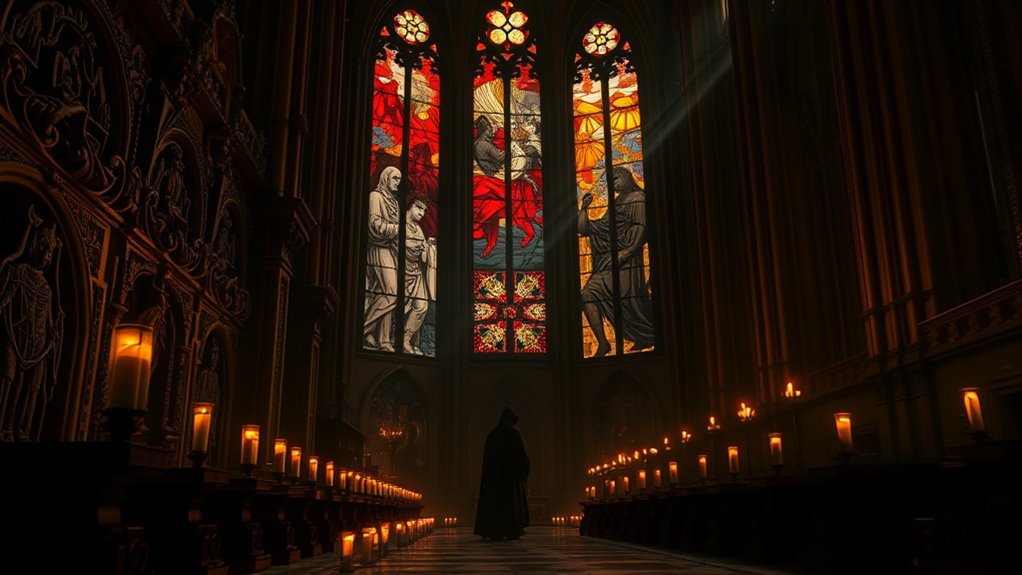
The concept of the Antichrist has deep roots in biblical prophecy, serving as a powerful symbol of deception and opposition to God’s truth. In the end times, this figure is associated with widespread deception, often presenting false messianic claims to mislead many. The Bible warns that the Antichrist will appear as a charismatic leader, claiming divine authority to deceive even the faithful. These false messianic claims are designed to attract followers, convincing them that the Antichrist is the true Savior. This figure’s purpose is to oppose Christ and sow confusion during the chaotic final days. Recognizing these biblical foundations helps you understand the importance of discernment and staying rooted in God’s Word amid the end times deception. Additionally, understanding the role of energetic alignment can help believers maintain spiritual clarity during these times of deception.
Key Characteristics and Symbols

Understanding the key characteristics and symbols associated with the Antichrist helps you recognize deceptive appearances and motives. Symbols of deception, such as false signs and counterfeit miracles, often mask the true nature of evil. The Antichrist’s characteristics of evil include arrogance, manipulation, and a desire for power at any cost. These traits enable him to deceive many and appear trustworthy initially. Recognizing these symbols and traits helps you stay alert to misleading influences that mimic genuine truth. The use of certain symbols, like a crowned figure or a beast, signifies authority and chaos, emphasizing the destructive nature of evil. By understanding these key characteristics and symbols, you can better discern truth from deception and remain grounded in biblical prophecy. Additionally, understanding Vetted – Grobal World concepts related to evil helps deepen your awareness of how deception can manifest through various forms and influences.
The Antichrist in Old Testament Prophecy
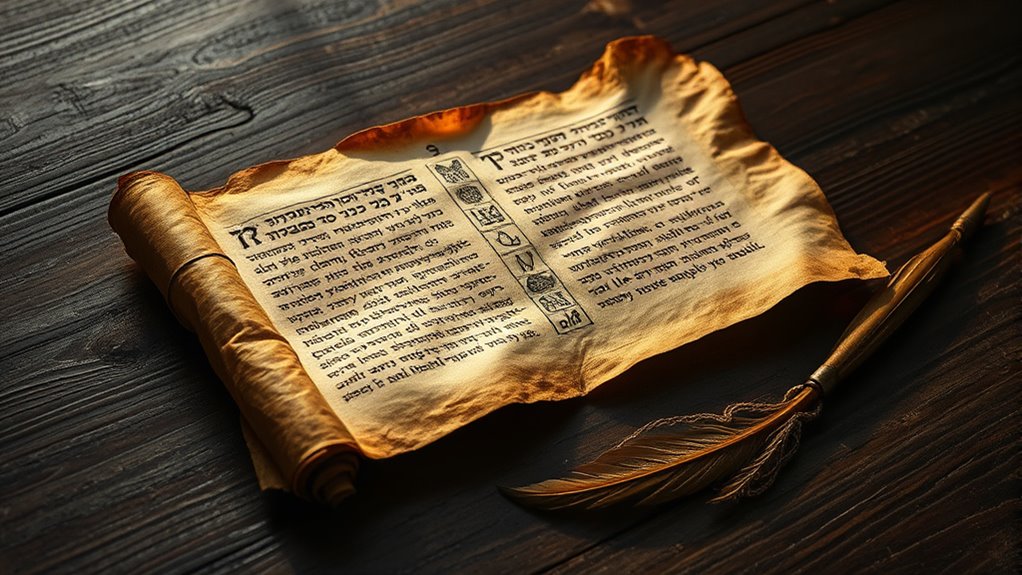
Old Testament prophecy offers early hints about a powerful figure who opposes God’s truth, setting the stage for the New Testament concept of the Antichrist. Through Old Testament symbolism and prophetic references, you see images of a coming ruler who challenges God’s authority. For example, the rise of kingdoms like Babylon and Persia symbolize nations that oppose God’s people, hinting at a future adversary. The figure of the “little horn” in Daniel represents a leader who blasphemes and seeks to dominate, often linked to Antichrist-like qualities. These prophetic references create a pattern of opposition and deception, foreshadowing the ultimate antagonist described later in the New Testament. Additionally, the Potential Pitfalls of interpreting these symbols can lead to misunderstandings if taken out of context. Understanding these Old Testament symbols helps you grasp the foundational expectations of a future deceiver.
New Testament Perspectives and Descriptions

In the New Testament, the figure of the Antichrist is described with vivid clarity, emphasizing his deceptive nature and opposition to Christ. You learn that he will deceive many, promoting false teachings and moral corruption, which raises significant moral implications for believers. The texts, especially in 1 John and 2 Thessalonians, portray him as a deceiver who exalts himself above God, challenging your understanding of truth and righteousness. These descriptions spark ongoing theological debates about his identity and the end times. You’re encouraged to remain vigilant, discerning truth from deception. The New Testament’s focus on moral implications calls you to uphold faithfulness and integrity, warning you against being misled by false doctrines that oppose Christ’s teachings. Recognizing the importance of spiritual discernment can help protect you from deceptive influences that threaten your faith.
Historical Interpretations and Theories

Throughout history, many figures have been linked to the Antichrist, shaping how people interpret biblical prophecy. You’ll see how symbolic events in the past are often seen as foreshadowing future fulfillments. Exploring these ideas helps you understand different theories and their impact on biblical interpretation. Additionally, the Pinball Spot offers insights into how cultural symbols and narratives can influence perceptions of prophetic figures.
Historical Figures Linked to Antichrist
Many scholars and theologians have identified various historical figures as potential embodiments of the Antichrist, interpreting their actions or influence through biblical prophecy. Throughout history, some have linked certain individuals to this role based on their power and actions. For example, medieval popes have been accused of wielding excessive authority, seen by some as fulfilling biblical predictions of oppressive rulers. Similarly, fascist leaders like Mussolini or Hitler are often cited because of their authoritarian control, persecution, and attempts to dominate nations. These figures are viewed by critics as embodying the spirit of Antichrist through their pursuit of power and suppression of truth. Such interpretations reflect the tendency to see biblical prophecy reflected in the tumultuous figures and events of history. Additionally, relationships such as leadership and influence dynamics can be analyzed to understand the motives and impacts of these historical figures in the context of prophecy.
Prophetic Symbolism in Past Events
Prophetic symbolism has often been applied to past events, offering interpretations that connect historical occurrences with biblical predictions. You might see symbolic imagery used to link events like the fall of empires or political upheavals to biblical prophecy. For example, some interpret the rise and fall of certain nations as historical parallels to prophetic visions of end times. These symbolic images serve to reinforce the idea that biblical prophecy has been fulfilled or is unfolding through history. By examining these connections, you can better understand how past events are viewed as part of a divine plan. This approach helps believers see history as a series of prophetic signs, emphasizing that biblical symbolism remains relevant in interpreting the broader scope of world events. Understanding YouGoNews insights can deepen this perspective by highlighting how cultural and societal trends are also woven into prophetic narratives.
The Role of the Antichrist in End-Times Events

The Antichrist plays a key role in end-times events by spreading deception and offering false peace to many. You should also watch how he gains political and religious power, setting the stage for chaos. Ultimately, his actions lead to the final battle and judgment, revealing God’s ultimate sovereignty. Recognizing prophetic dreams can provide insight into divine messages related to these end-times scenarios.
Deception and False Peace
Have you ever wondered how the Antichrist will deceive people into accepting a false sense of peace? He’ll use clever deception tactics to create an illusion of stability and harmony. His goal is to make the world think everything is okay, masking his true intentions. You might notice:
- Promoting false peace through smooth words and promises
- Appearing to unite different nations and religions
- Offering solutions that seem beneficial but hide hidden agendas
- Employing ethical hacking techniques to exploit vulnerabilities in societal systems to maintain control and conceal his true motives
Political and Religious Power
As the end times approach, the Antichrist will seize political and religious power to consolidate control over the world. You’ll see him increasing church influence, blending religion with political agendas to sway populations. He’ll forge strong political alliances, uniting nations under a single authority, making it appear as peace and stability. This manipulation allows him to gain trust and legitimacy, while secretly consolidating power. His influence over religious institutions will be subtle yet pervasive, enabling him to sway beliefs and practices. By controlling both politics and religion, the Antichrist aims to create a unified front that suppresses dissent and promotes his agenda. This strategic combination of church influence and political alliances will pave the way for his ultimate dominance in the end times.
Final Battle and Judgment
In the final moments of the end times, the Antichrist plays a pivotal role in the climactic battle between good and evil. You’ll witness the ultimate confrontation where divine judgment is delivered. The Antichrist’s influence peaks as he leads armies against God’s people, preparing for the decisive showdown. During this final battle, evil is confronted and defeated, paving the way for God’s righteous judgment. AI vulnerabilities remind us that deception can extend into spiritual realms as well, emphasizing the importance of discernment. This moment marks the end of chaos, ushering in Christ’s reign of peace. Understanding this phase helps you grasp how biblical prophecy predicts the ultimate victory of good over evil.
Recognizing Signs and Preparing Spiritually

Recognizing the signs of biblical prophecy requires attentiveness and discernment, as they often appear subtly in the world around us. To prepare spiritually, you must stay alert to shifts in morality, politics, and societal values that may signal the nearing of prophetic events. Cultivate spiritual readiness by deepening your prayer life, studying scripture, and maintaining moral vigilance. These practices help you discern false teachings and stay rooted in truth amid confusing times. As signs unfold, your awareness strengthens, enabling you to respond with faith and confidence. Preparing spiritually isn’t just about understanding; it’s about actively aligning your heart and mind with God’s plan, so you remain steadfast and vigilant when prophecy accelerates. Stay watchful, and trust in God’s guidance through these critical times.
Frequently Asked Questions
How Do Different Christian Denominations Interpret the Antichrist?
You’ll find that different Christian denominations interpret the Antichrist through either a symbolic or literal lens. Some see the Antichrist as a literal future person who will oppose Christ during end times, while others view the figure symbolically, representing evil or false teachings. These interpretations influence how each denomination prepares spiritually and doctrinally, shaping their understanding of biblical prophecy and the fulfillment of God’s plan.
Are There Any Modern Figures Suspected to Be the Antichrist?
Some believe modern political figures or controversial celebrities could be the antichrist, like a shadow lurking behind power and fame. You might see headlines linking them to prophecy, but these are often fueled by speculation. Remember, the antichrist’s identity remains a mystery, and focusing on character and actions reveals more than any label or suspicion. Stay grounded, and don’t let fear or hype cloud your judgment.
What Are the Differences Between the Antichrist and the False Prophet?
The Antichrist and false prophet serve different roles in End Times deception. The Antichrist is a charismatic figure who opposes Christ and deceives many, while the false prophet promotes the Antichrist’s agenda, performing false miracles. Both contribute to demonic deception, leading you astray in End Times deception. Recognizing their distinct roles helps you stay vigilant against spiritual deception and stay rooted in biblical truth.
How Does the Antichrist Relate to Other Apocalyptic Figures in World Religions?
You’ll find that, in interfaith perspectives and comparative mythologies, the Antichrist often symbolizes a future evil figure opposing divine truth, similar to apocalyptic figures across religions. While Christianity sees him as a deceiver, other traditions may interpret similar characters as chaos bringers or false saviors. Recognizing these parallels helps you understand how different cultures portray end-times figures, emphasizing universal themes of good versus evil and moral integrity.
What Are the Cultural Representations of the Antichrist in Media and Literature?
In media and literature, you see the Antichrist as a mix of pop culture villains and literary archetypes, embodying evil, deception, and power. Films and books portray him as a charismatic yet malevolent figure who challenges morality and faith. These representations often exaggerate traits like manipulation and chaos, making the Antichrist a compelling symbol of ultimate evil that resonates with audiences through familiar archetypes of villainy and deception.
Conclusion
Imagine you’re steering a stormy sea, searching for a guiding star. Understanding the biblical prophecy of the Antichrist helps you recognize false lights that might lead you astray. By staying rooted in Scripture and spiritual awareness, you can steer clear of deception and remain steadfast. Remember, just as a lighthouse warns sailors of danger, biblical insight illuminates the truth, guiding you safely through end-times uncertainties. Stay vigilant, and keep your faith anchored.
Halloween Picks
halloween
As an affiliate, we earn on qualifying purchases.