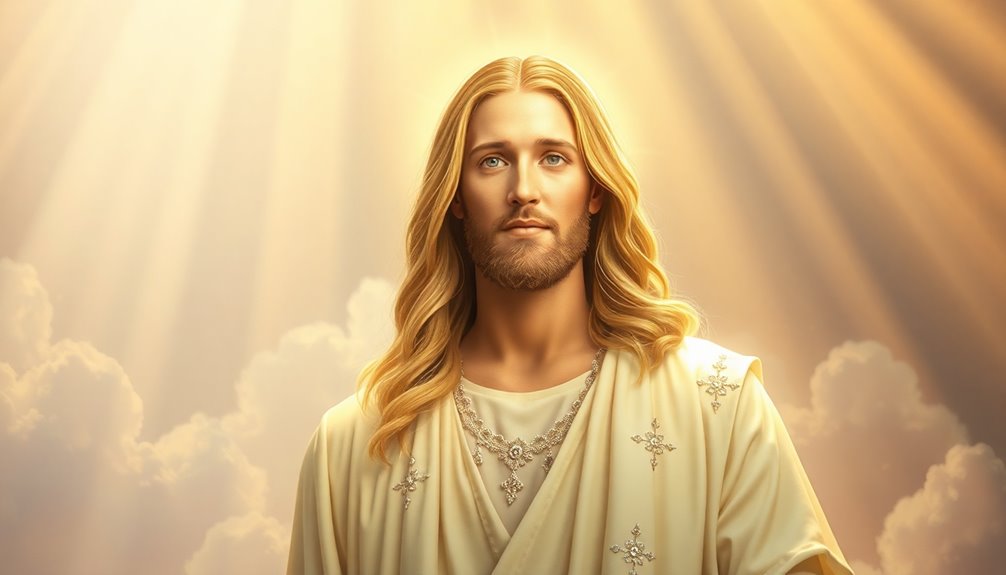

The Second Coming is a powerful event symbolizing divine intervention to restore justice and order, rooted in ancient eschatological imagery like clouds, angels, and celestial lights. Different beliefs interpret it variably—some see it as a literal return, others as a metaphor for renewal. Signs like wars and natural disasters are often seen as alerts, but their true meaning and timing remain uncertain. If you explore further, you’ll uncover more about its profound symbolism and ongoing debates.
Key Takeaways
- The Second Coming symbolizes a divine event involving judgment, renewal, and cosmic intervention, rooted in eschatological symbolism.
- Interpretations vary across religions, with some viewing it as a literal future event, others as metaphorical or spiritual.
- Signs such as natural disasters, wars, celestial lights, and political upheavals are considered indicators, but their exact significance remains uncertain.
- The event’s details are debated; many see it as a prophetic allegory about moral renewal rather than a literal occurrence.
- The concept continues to inspire hope and reflection, emphasizing divine justice and the restoration of balance in the world.
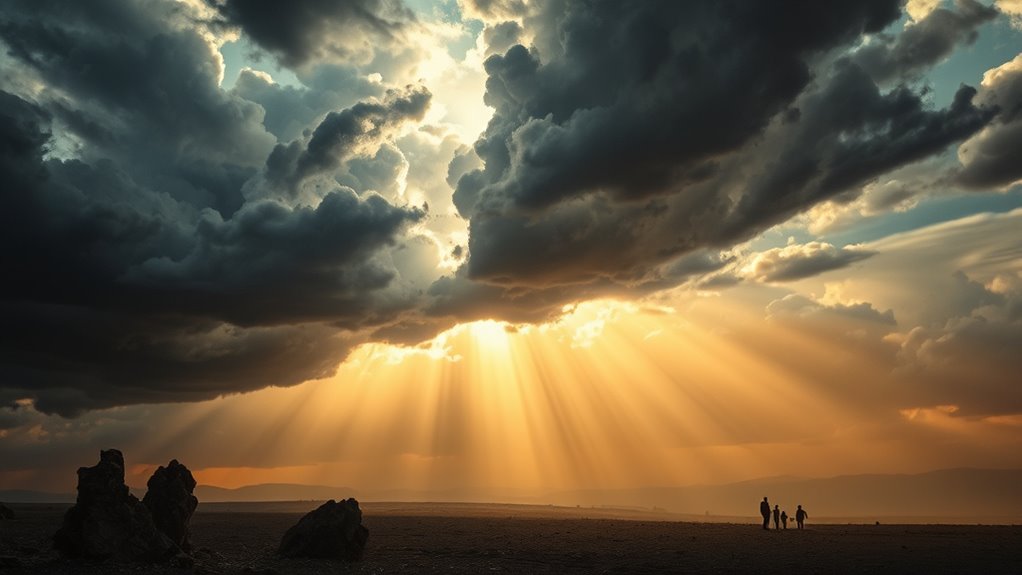
The concept of “The Second Coming” has captivated human imagination for centuries, symbolizing a future moment when a divine figure returns to restore order and justice. This idea is deeply rooted in eschatological symbolism, which explores themes of final judgment, renewal, and the ultimate destiny of humanity. You might find that many religious traditions interpret this event differently, but they all share a common expectation of a dramatic and transformative arrival. Prophetic interpretations often serve as blueprints, guiding believers on how to understand current events as signs pointing toward this anticipated moment. These interpretations can be complex, blending symbolism with predictions about cosmic upheavals, moral reckonings, and divine intervention.
Throughout history, many have looked for signs and symbols that could confirm the imminence of the Second Coming. Some interpret natural disasters, wars, or political upheavals as direct indicators, seeing these as the fulfillment of prophetic texts. You might notice that, in many traditions, specific imagery—like clouds parting, angels descending, or celestial lights—serves as powerful eschatological symbolism. These symbols evoke a sense of imminent divine intervention and reinforce the belief that history is moving toward a climactic conclusion. But while these signs can be compelling, they often leave room for interpretation, prompting debate about their true significance and timing. Additionally, eschatological symbolism often functions as a bridge between ancient texts and modern interpretations, allowing believers to find relevance in age-old prophecies.
Signs like natural disasters and celestial imagery often signal the approaching Second Coming, but their true meaning remains open to interpretation.
The prophetic interpretations surrounding the Second Coming are often layered with allegory and symbolism. For example, some see current events as the unfolding of biblical prophecies, while others view them as metaphorical representations of moral or spiritual decay. You may find that different faiths offer varying predictions, with some emphasizing a literal return of a divine figure and others interpreting the event more figuratively. This diversity reflects the rich tapestry of eschatological thought, where symbolism acts as a bridge linking ancient texts to contemporary issues. Yet, despite the many interpretations, the core idea remains consistent: the belief that a divine intervention will ultimately restore balance and justice to a broken world.
Ultimately, your understanding of the Second Coming depends on how you interpret eschatological symbolism and prophetic insights. While many see these as signs of an imminent event, others view them as ongoing allegories about moral renewal. No matter your perspective, it’s clear that the idea continues to inspire hope, debate, and spiritual reflection. The anticipation of a divine return remains a powerful motif across cultures and religions, reminding you that humanity’s quest for meaning often centers around the hope for divine justice and renewal at the end of time.
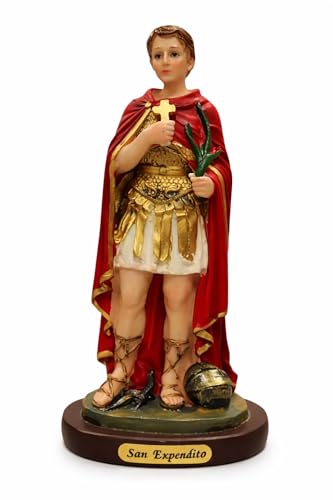
San Expedito – 6" Saint Expeditus Statue Religious Figurine
- Material: High-quality durable resin
- Design: Depiction of Saint Expeditus
- Symbolism: Faith, perseverance, divine intervention
As an affiliate, we earn on qualifying purchases.
As an affiliate, we earn on qualifying purchases.
Frequently Asked Questions
Will There Be Signs Before the Second Coming?
Yes, there will be faith signs and prophecy clues before the second coming. You’ll notice these signs as indicators that the event is near, such as increased turmoil, natural disasters, and moral decline. These signs serve as warnings and clues from prophecy, helping you stay alert and prepared. Keep your faith strong and stay attentive to these signs, as they guide you in understanding when the second coming might occur.
How Will the World Change After the Second Coming?
Like the dawn breaking after a long night, the world will transform through faith evolution and spiritual awakening. You’ll witness compassion and understanding deepen, divisions fade, and a renewed sense of purpose emerge. As hearts open and beliefs evolve, society shifts toward harmony. The Second Coming will inspire profound change, guiding you to a higher consciousness, where love and unity become the new foundation of humanity’s future.
What Is the Timeline for the Second Coming?
You won’t find a specific timeline for the Second Coming, as prophetic timelines depend on divine timing, which remains unpredictable. Many believe it will happen when certain signs align, but no one knows the exact date. Stay alert and spiritually prepared, trusting that divine timing will unfold at the right moment. Focus on living righteously, because the precise moment is ultimately beyond human control or prediction.
Who Will Recognize the Second Coming First?
You’ll likely be the first to recognize the Second Coming, as divine intervention sparks a spiritual awakening within you. Many believe it’s those who maintain unwavering faith and spiritual alertness who’ll notice first, catching the signs early. Your awareness could serve as a beacon for others, shining light on the moment when divine intervention signals the fulfillment of prophecy. Stay vigilant—sometimes being first depends on spiritual preparedness.
Are There Scientific Explanations for the Second Coming?
You might wonder if scientific explanations exist for the Second Coming, but current science doesn’t support it as a physical event. Instead, cosmological events like the universe’s expansion and quantum theories explore fundamental forces and particles, not divine occurrences. While some interpret these phenomena metaphorically, science focuses on measurable, natural processes, leaving the spiritual concept of the Second Coming outside its scope.
Conclusion
As you imagine the sky splitting open and a radiant figure descending, the mystery of the Second Coming feels both distant and imminent. Though many details remain hidden in shadows, the promise of renewal and hope flickers like a distant star. Keep your eyes open, for when the moment arrives, it’ll be as sudden and breathtaking as dawn breaking after a long, dark night. The future waits quietly, ready to reveal what we can only wonder about now.