
Jesus is called the Lamb of God because he represents divine sacrifice, embodying purity, humility, and love. This title links to biblical traditions where lambs symbolized sacrifice and salvation, like during Passover. Jesus’s death signifies ultimate redemption and divine mercy, offering himself for humanity’s sins. His vulnerability and obedience highlight the power of sacrificial love. To understand more about this profound symbolism, explore the deeper spiritual and biblical meanings behind the title.
Key Takeaways
- Jesus is called the Lamb of God because he embodies divine sacrifice, similar to the lambs offered in biblical rituals.
- His death fulfills Passover traditions, symbolizing salvation through his blood and sacrifice.
- The title reflects Jesus’s innocence, purity, and willingness to suffer for humanity’s redemption.
- It signifies divine love, mercy, and the fulfillment of God’s plan for salvation.
- The term highlights the spiritual meaning of Jesus’s suffering as a divine act of redemptive sacrifice.
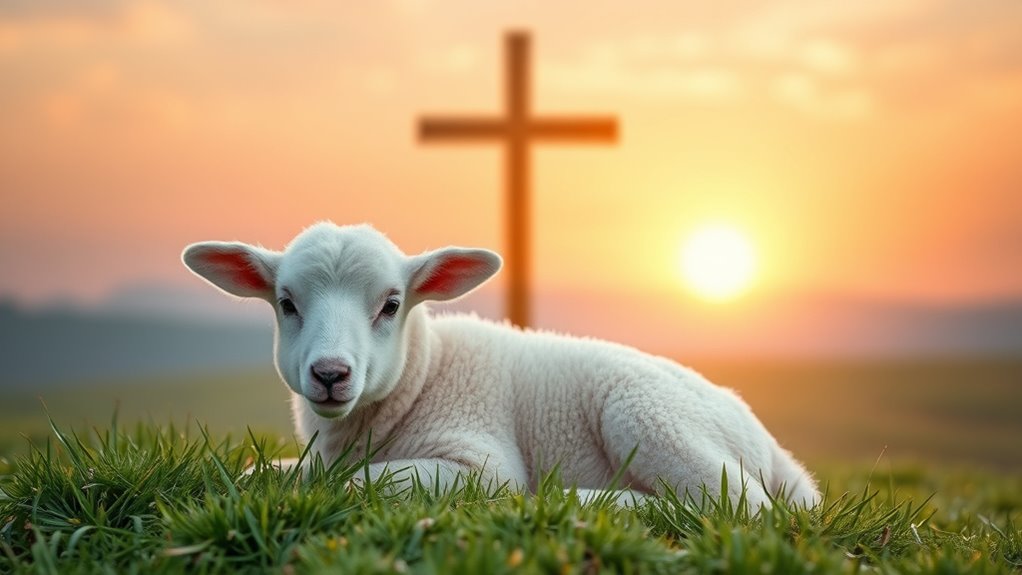
Have you ever wondered about the symbolism behind the phrase “Lamb of God”? When you hear this title, it’s easy to think about innocence and purity, but there’s much more beneath the surface. At its core, the phrase refers to Jesus as a sacrificial lamb, embodying divine symbolism that connects deeply with biblical history and spiritual meaning. The image of a sacrificial lamb isn’t just a poetic metaphor; it’s a powerful symbol rooted in ancient traditions that highlight sacrifice, redemption, and divine grace.
The Lamb of God symbolizes Jesus’s sacrifice, divine grace, and spiritual renewal rooted in biblical tradition and eternal hope.
In biblical times, a sacrificial lamb was offered during Passover to symbolize the Israelites’ deliverance from slavery in Egypt. This act of sacrifice was a pivotal moment of salvation, representing the shedding of blood to spare lives and secure divine favor. When you view Jesus as the Lamb of God, you see him as the ultimate sacrifice—one who willingly offers himself for the salvation of humanity. This divine symbolism underscores that his death isn’t just a tragic event but a purposeful act designed to reconcile humans with God, much like the lamb’s blood protected the Israelites in Egypt.
By calling Jesus the Lamb of God, the New Testament writers connect his sacrifice to this long-standing tradition, emphasizing that his death was necessary for spiritual renewal. Unlike ordinary lambs, which were sacrificed temporarily and repeatedly, Jesus’s sacrifice is seen as perfect and eternal. It’s divine in its significance because it fulfills the divine plan of salvation, symbolizing God’s love and mercy through an innocent, unblemished figure. You’re invited to see Jesus as the divine symbolism of purity—spotless and obedient—offering himself willingly to carry the sins of the world.
This imagery also highlights the idea of innocence and vulnerability. Lambs are gentle, defenseless creatures, and to identify Jesus with a lamb underscores his humility and willingness to suffer for others. It reminds you that true strength often lies in sacrifice and selflessness. The divine symbolism of Jesus as the Lamb of God encourages believers to emulate his example—rejecting violence, embracing humility, and trusting in divine grace. When you reflect on this imagery, it deepens your understanding of sacrificial love and divine mercy—core principles that define your faith.
In essence, the phrase “Lamb of God” encapsulates the profound theological truth that Jesus’s death was a divine act of love and redemption. It’s an invitation for you to see beyond the physical act of sacrifice and recognize the divine symbolism that elevates his death into a timeless symbol of hope, forgiveness, and divine mercy.

YFN Jesus Necklace Sterling Silver Jesus saves Lost Lamb Pendant Necklace Jesus Shepherd Lamb of God Religious Jewelry for Women Men Christian Gifts for Mom Baptism Gifts
❤Jesus Jewelry For Women: Whatever happens to you, whatever difficulties you face, do not be afraid, God is…
As an affiliate, we earn on qualifying purchases.
As an affiliate, we earn on qualifying purchases.
Frequently Asked Questions
What Is the Origin of the Term “Lamb of God” in Biblical Context?
The term “Lamb of God” originates from biblical symbolism, specifically the lamb imagery used in the Passover and sacrificial rituals. It signifies innocence and sacrifice, representing Jesus as the perfect, unblemished lamb who takes away the sins of the world. By calling Jesus the Lamb of God, you see him as the divine sacrifice, fulfilling Old Testament prophecies and emphasizing his role in salvation through symbolic lamb imagery.
How Does the Sacrifice of Jesus Compare to Old Testament Lamb Sacrifices?
You see, Jesus’s sacrifice surpasses Old Testament animal symbolism and sacrificial rituals. Unlike the temporary, symbolic lambs offered in rituals, His death brings eternal atonement. His sacrifice is perfect and sufficient, unlike animals that could only cover sins temporarily. You’re reminded that Jesus is the ultimate Lamb, fulfilling and transforming the meaning of sacrificial rituals, offering you forgiveness and new life through His complete, divine offering.
Why Is the Lamb a Symbol of Innocence and Purity?
You see, the lamb symbolizes innocence and purity because it’s gentle, harmless, and free from blemish. Its soft, delicate nature makes it perfect as a symbol of innocence. In biblical tradition, lamb symbolism reflects purity and sinlessness, which is why it’s associated with Jesus. The lamb’s gentle character reminds you of innocence, making it a powerful emblem of purity in spiritual and religious contexts.
Are There Other Biblical Figures Associated With Lamb Symbolism?
You might be surprised, but besides Jesus, biblical imagery features symbolic lambs tied to figures like Isaac, who carried the wood for his sacrifice, embodying innocence and obedience. Also, John the Baptist calls Jesus the “Lamb of God,” highlighting Jesus’ role as the ultimate sacrificial lamb. These biblical lambs symbolize purity, sacrifice, and redemption, making them powerful icons illustrating God’s plan of salvation across stories and teachings.
How Is the “Lamb of God” Celebrated in Christian Liturgy?
In Christian liturgy, you celebrate the “Lamb of God” through prayers like the Agnus Dei, where you seek mercy and peace. You’ll notice lamb symbolism in Christian hymnody, praising Jesus as the sacrificial lamb. During communion, you remember his sacrifice, emphasizing his role as the Lamb of God. These rituals deepen your connection to his love, mercy, and the promise of salvation, highlighting the significance of lamb symbolism in your faith.

Jesus: The God Who Knows Your Name – The Perfect Christian Gift for Lent and Easter
As an affiliate, we earn on qualifying purchases.
As an affiliate, we earn on qualifying purchases.
Conclusion
You now see why Jesus is called the Lamb of God—it symbolizes his sacrifice and purity. Did you know that over 2 billion Christians worldwide celebrate Easter, remembering his sacrifice? This title reminds you of his role in offering redemption through selfless love. So, next time you hear “Lamb of God,” remember it’s a powerful symbol of grace and sacrifice that touches millions across the globe.
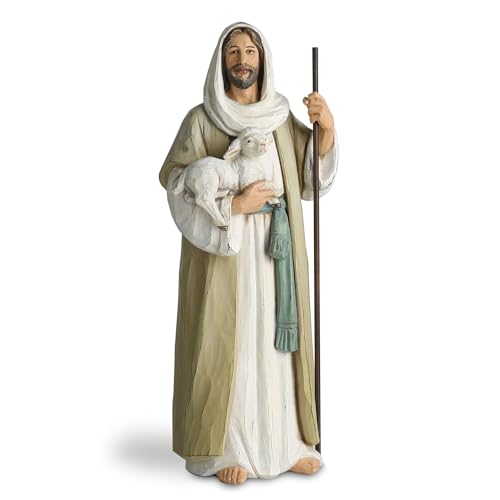
ShineOnAngel Good Shepherd Statue Jesus Holding Lamb 9.5inch Religious Modern Home Decor Figurine Indoor Tabletop Religious Gift
【HANDCRAFTED】This Shepherd figurine is designed and handcrafted by ShineOnAngel, It was meticulously sculpted by our artisans, with unique…
As an affiliate, we earn on qualifying purchases.
As an affiliate, we earn on qualifying purchases.

Jesus and Lamb Canvas Wall Art Jesus Saves The Lost Lamb Picture Wall Decor God Protect A sheep From Wolves Painting Print Christian Poster Artwork for Living Room Bedroom Church(12x16in Canvas)
Jesus Wall Art: Jesus Protecting the Lamb from the Wolf Christian Wall Art Three sizes: 12×16 in and…
As an affiliate, we earn on qualifying purchases.
As an affiliate, we earn on qualifying purchases.