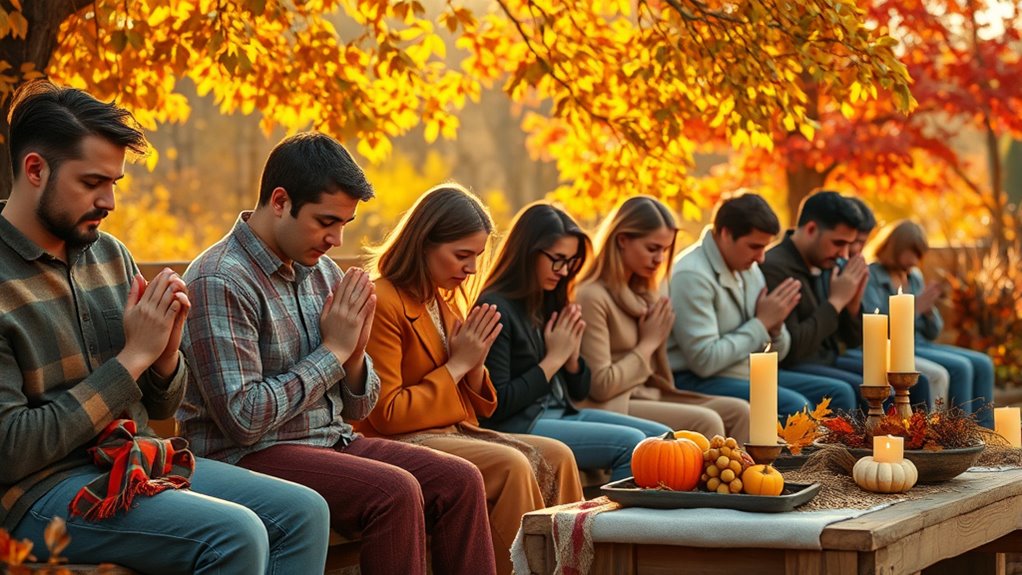

Practicing prayers of thanksgiving helps you cultivate genuine gratitude by encouraging you to recognize and appreciate your blessings, big or small. When you pray sincerely and focus on specific gifts, you strengthen your positive outlook and deepen your connection to others. Incorporating gratitude into your daily routine fosters contentment, reduces stress, and nurtures kindness. To create a lasting habit of thankfulness, stay attentive to life’s daily blessings—more insights await as you continue your journey.
Key Takeaways
- Offer sincere, heartfelt prayers that specifically acknowledge daily blessings to deepen gratitude.
- Incorporate gratitude into daily routines by listing thankful moments each morning or evening.
- Recognize both big and small blessings, such as health, relationships, and peaceful moments.
- Use gratitude to shift focus from scarcity to abundance, fostering contentment and positivity.
- Practice consistently to make expressing thanks a natural habit that enhances emotional well-being.
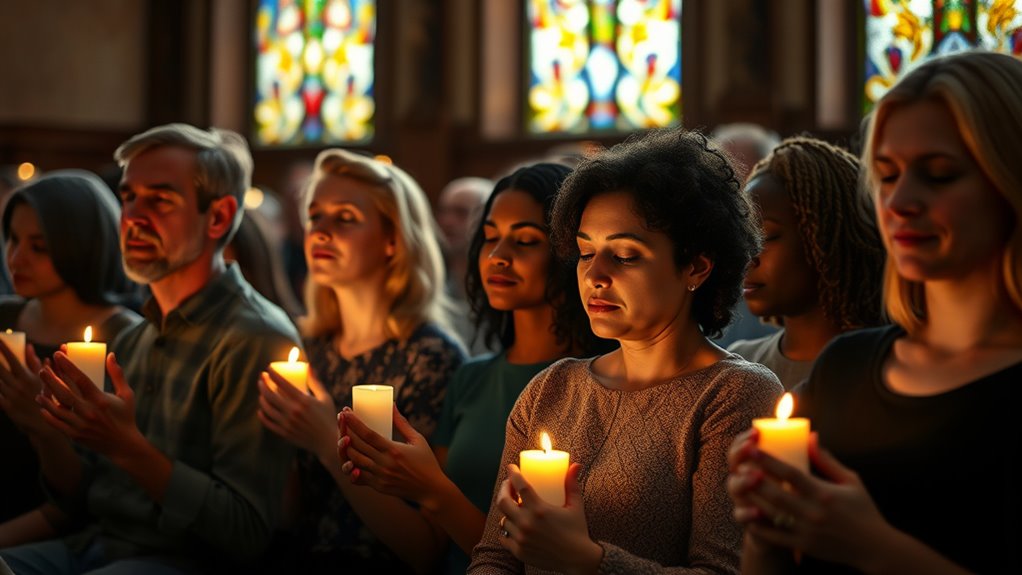
Prayers of Thanksgiving are powerful expressions of gratitude that help us recognize and appreciate the blessings in our lives. They serve as a reminder to focus on the good, even during challenging times, and encourage a mindset of abundance rather than scarcity. When you take the time to pray with gratitude, you shift your perspective, making it easier to notice the positive aspects of your daily life. Gratitude in daily life becomes more natural when you incorporate intentional moments of thanks, and prayer is a meaningful way to do that.
Expressing thanks effectively involves sincerity and mindfulness. It’s not enough to simply say “thank you” out of habit; you want your words to reflect genuine appreciation. As you pray, speak from the heart, acknowledging specific blessings rather than making vague generalizations. For example, instead of a generic, “Thank you for everything,” consider mentioning particular moments or gifts that truly touched you. This deepens your sense of gratitude and makes your prayers more meaningful. When you practice expressing thanks effectively, you reinforce positive feelings and create a habit of recognizing blessings, which can transform your outlook on life.
Incorporating gratitude into your daily routine through prayer can be simple yet profound. Start or end each day by listing a few specific things you’re thankful for. Whether it’s good health, supportive friends, or opportunities to learn and grow, acknowledging these blessings helps you stay grounded and focused on what truly matters. When you pray with gratitude, you cultivate a sense of contentment that reduces stress and fosters joy. It also encourages humility, reminding you that many good things come from outside yourself, whether from divine grace or the kindness of others. Recognizing the importance of color accuracy in visual experiences can enhance your appreciation for the beauty around you.
Practicing gratitude in daily life also means being attentive to the small blessings—like a kind word from a stranger or a moment of peace during a hectic day. When you make gratitude a regular part of your prayer life, it becomes easier to express thanks effectively in everyday interactions. This can improve your relationships, as gratitude naturally leads to more kindness and understanding. Over time, your consistent acknowledgment of blessings can shift your entire attitude toward life, helping you see abundance instead of lack. So, dedicate time each day to pray with gratitude, and you’ll find that expressing thanks becomes second nature, enriching your spirit and your connections with others.
Frequently Asked Questions
How Can I Develop a Consistent Prayer of Gratitude?
To develop a consistent prayer of gratitude, start with mindful reflection daily, focusing on what you’re thankful for. Incorporate gratitude journaling by writing down specific blessings each day, which helps reinforce your appreciation. Set a dedicated time for this practice, making it part of your routine. Over time, these habits will deepen your sense of gratitude, making your prayers more genuine and consistent.
What Are Some Signs of Genuine Gratitude in Prayer?
You’ll notice genuine gratitude in prayer through heartfelt expressions and authentic appreciation that truly come from your soul. It’s the sincerity behind your words, not just the words themselves, that reveal true gratitude. When your prayers are marked by humility and a deep sense of thankfulness, you demonstrate real appreciation. The more honest and vulnerable you become, the clearer it is that your gratitude isn’t fleeting, but a sincere part of your spiritual connection.
Can Gratitude Prayers Improve Mental Health?
Gratitude prayers can markedly improve your mental health by fostering positive emotions and reducing stress. When you practice gratitude journaling alongside these prayers, you reinforce feelings of appreciation and resilience. This combined approach helps you focus on the good in your life, boosts your mood, and lowers anxiety. Regularly expressing gratitude through prayer and journaling creates a healthier mindset, making it easier to handle life’s challenges with optimism and emotional strength.
How Often Should I Express Thankfulness in Prayer?
You should express thankfulness in prayer daily, ideally incorporating a gratitude journal or daily reflection. This habit helps you stay mindful of blessings and fosters a consistent attitude of gratitude. By making gratitude a regular part of your routine, you strengthen your mental health and deepen your spiritual connection. Don’t wait for special occasions—every day offers opportunities to acknowledge what you’re thankful for and cultivate a more grateful heart.
Are There Cultural Variations in Thanksgiving Prayers?
Yes, there are cultural variations in thanksgiving prayers. You’ll notice different cultural expressions and traditional rituals that shape how people give thanks. For example, some cultures use specific gestures, prayers, or ceremonies, reflecting their unique beliefs and values. Embracing these variations helps you appreciate diverse ways of expressing gratitude, enriching your spiritual practice and fostering a deeper connection with others across different traditions.
Conclusion
Remember, expressing gratitude through prayer isn’t about ignoring challenges but choosing to focus on life’s blessings. Even when times are tough, taking a moment to thank God can shift your perspective and fill you with hope. You might think it’s hard to find something to be grateful for right now, but start small. With practice, gratitude becomes a natural part of your life, bringing peace and joy you never expected.