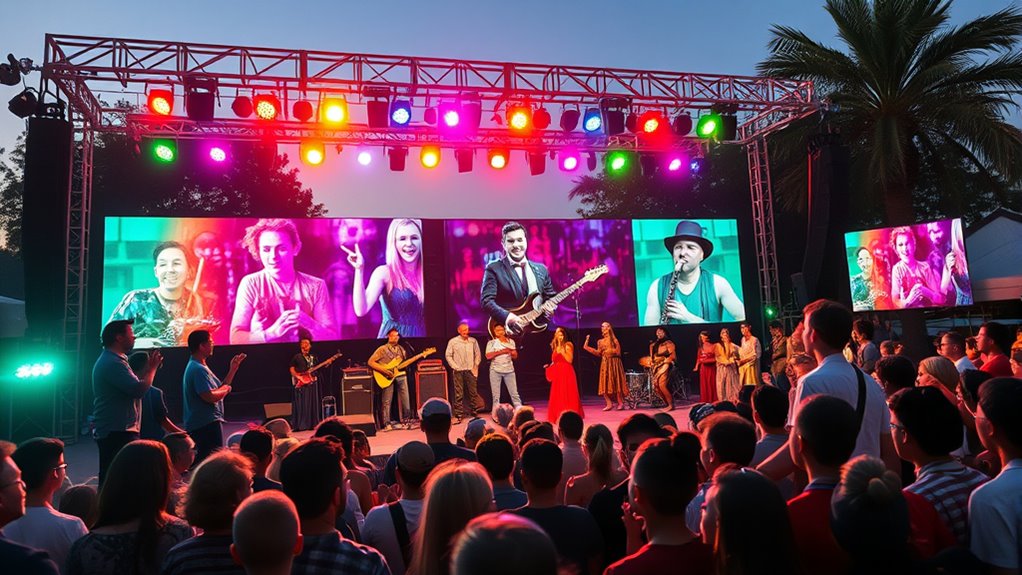

By leveraging music, drama, and media, you can craft emotionally engaging stories that resonate deeply with your audience. These creative arts create vivid visual and sensory experiences, making your message more memorable and accessible. They also encourage community participation, turning passive listeners into active storytellers and collaborators. Incorporating these elements fosters authentic connections and motivates action. Keep exploring how these powerful tools can transform your outreach efforts into inspiring and impactful experiences.
Key Takeaways
- Music, drama, and media evoke emotional responses, fostering deeper community engagement and memorable outreach experiences.
- Incorporating local cultural elements in arts-based activities enhances relatability and strengthens community identity.
- Participatory arts like community theater and music encourage active involvement, empowering audiences as storytellers.
- Media platforms amplify outreach messages, increasing reach and facilitating interactive, multimedia storytelling.
- Creative arts serve as powerful tools to humanize issues, inspire action, and build lasting community connections.
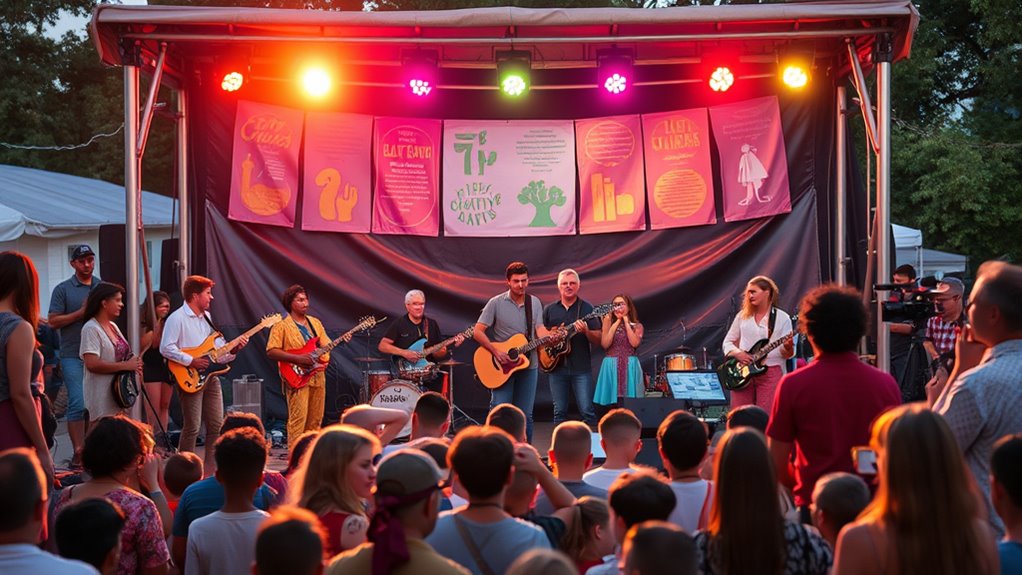
Have you ever wondered how creative arts can transform outreach efforts? When you tap into storytelling techniques, you unlock powerful ways to connect with your audience on a deeper level. Stories resonate because they evoke emotion, foster understanding, and create memorable experiences. By weaving narratives that reflect the community’s experiences, values, and aspirations, you make your outreach more relatable and impactful. Visual arts integration complements storytelling by providing a compelling visual context that captures attention and enhances message retention. Using images, murals, or multimedia presentations, you can turn abstract concepts into tangible visuals that speak to diverse audiences. This combination makes your message accessible and engaging, especially for those who process information visually. Incorporating textured fabrics and natural elements can further enhance the sensory appeal of your outreach materials, creating a more immersive experience.
In practice, incorporating storytelling techniques involves more than just sharing facts; it’s about crafting stories that inspire action. For example, you might feature personal stories from community members, illustrating how your initiative has made a difference. These stories humanize your cause, fostering empathy and trust. Meanwhile, visual arts can be employed to create murals or posters that reinforce key messages, making them stand out in public spaces. When paired with storytelling, visuals serve as powerful tools to evoke emotion and reinforce the narrative, making your outreach memorable and shareable.
Using storytelling techniques and visual arts integration together also allows you to adapt your message to different audiences. You can tailor stories to resonate with specific cultural backgrounds or age groups, ensuring your message hits home. Visuals can be customized to reflect local culture, landmarks, or symbols, making your outreach feel authentic and relevant. This approach encourages community participation, as people see their stories and identities reflected in your materials, fostering a sense of ownership and involvement.
Moreover, these creative methods foster greater engagement. Instead of passive recipients, your audience becomes active participants in the storytelling process. They might share their own stories or contribute to visual projects, creating a collaborative atmosphere. This participatory approach not only enhances the reach of your message but also builds community bonds. As you leverage storytelling techniques and visual arts integration, you’re not just communicating; you’re creating an experience that motivates action and strengthens connections. Ultimately, these strategies turn outreach from a simple message into a shared journey, inspiring change through the arts’ universal language.
Frequently Asked Questions
How Do Outreach Programs Measure the Impact of Creative Arts Initiatives?
You measure the impact of creative arts initiatives through impact assessment methods like surveys, interviews, and observation. Feedback mechanisms play a vital role, allowing you to gather participants’ experiences and perceptions. By analyzing this data, you can determine how effectively your program engaged the community, changed attitudes, or fostered skills. Regular assessments help you refine your approach and demonstrate tangible outcomes, ensuring your outreach efforts truly resonate and make a difference.
What Training Is Needed for Artists Involved in Outreach Activities?
Did you know that 75% of artists involved in outreach activities report improved community engagement skills? To succeed, you need training in facilitation, cultural sensitivity, and youth engagement techniques. Developing your artistic skills while learning how to connect with diverse audiences is essential. This combination guarantees your impact is meaningful and sustainable, helping you foster stronger community ties through effective creative arts outreach.
How Can Digital Media Expand the Reach of Creative Arts Outreach?
Digital media can expand your outreach through virtual engagement, allowing you to connect with wider audiences beyond physical locations. By customizing content to suit different groups, you make your message more relevant and engaging. You can host live performances, workshops, or discussions online, reaching diverse communities and fostering deeper involvement. This approach enhances your ability to share creative arts effectively, making your outreach more inclusive and impactful across various platforms.
What Challenges Are Common in Integrating Arts Into Community Outreach?
You often face hurdles like funding constraints and keeping your audience engaged. It’s like trying to hit a moving target—balancing resources while making arts meaningful. Limited budgets can restrict activities, and dull presentations risk losing interest. To succeed, you need creative strategies to maximize impact with available funds and craft compelling content that resonates, ensuring your outreach efforts truly connect and inspire the community.
How Do Cultural Differences Influence Arts-Based Outreach Strategies?
Cultural differences shape your arts-based outreach strategies by requiring cultural sensitivity and artistic adaptation. You need to understand local customs, traditions, and values to create relevant and respectful content. By doing so, you guarantee your messages resonate deeply, fostering trust and engagement. Tailoring arts activities to reflect diverse cultural expressions helps bridge gaps, making your outreach more inclusive and effective across different communities.
Conclusion
By embracing music, drama, and media, you discover powerful tools to connect hearts and inspire change. These creative arts aren’t just entertainment; they’re bridges that transform communities and spark hope. When you harness their potential, you’re not just reaching audiences—you’re awakening minds and stirring souls. Remember, creativity isn’t just a method; it’s the key that opens doors to lasting impact. So, step boldly into this vibrant world and let your outreach resonate beyond words.