Nochebuena and beyond are rich in Hispanic Christmas traditions that focus on faith, family, and community. You’ll find festive dinners featuring meaningful foods like tamales and nativity scenes that symbolize hope and unity. Midnight Mass and Christmas carols deepen spiritual connections, while gift exchanges reflect love and generosity. Modern celebrations blend tradition with new practices, creating meaningful experiences. Continue exploring to discover how these vibrant customs reinforce cultural heritage and spiritual devotion during the holiday season.
Key Takeaways
- Nochebuena emphasizes family gatherings, festive music, and gift exchanges that symbolize love, faith, and cultural heritage.
- Traditional foods like tamales and nativity scenes carry spiritual meanings, representing unity, gratitude, and hope.
- Midnight Mass and Christmas carols deepen religious devotion and reinforce the significance of Christ’s birth.
- Customs such as singing carols and exchanging gifts highlight devotion, generosity, and cultural identity.
- Modern adaptations include virtual celebrations, festive playlists, and combining traditional practices with contemporary elements.

Handmade Peruvian Retablo Nativity Scene 5" Tall, Colorful Folk Art Christmas Decor from Peru, Hand-Painted Wood Box with Holy Family, Unique Altarpiece
Measures: 5"x 4'' aprox when is close and 5"x8.5" when is open
As an affiliate, we earn on qualifying purchases.
As an affiliate, we earn on qualifying purchases.
The Significance of Nochebuena in Hispanic Culture

Nochebuena, which means “Good Night” in Spanish, holds a special place in Hispanic culture as the evening when families come together to celebrate Christmas. On this night, the air is filled with festive Christmas music that sets a joyful tone for the celebration. You’ll notice that gift giving customs are an important part of the evening, symbolizing love and generosity among loved ones. As you gather around, you might exchange small presents or thoughtful tokens, emphasizing the spirit of sharing. The evening often involves singing, laughter, and warmth, reinforcing family bonds. Nochebuena isn’t just about gifts; it’s about creating meaningful memories with those closest to you, honoring a tradition that unites your community in faith and celebration. Celebrating with traditional foods is also a key aspect of this special night, bringing families together through shared culinary experiences.
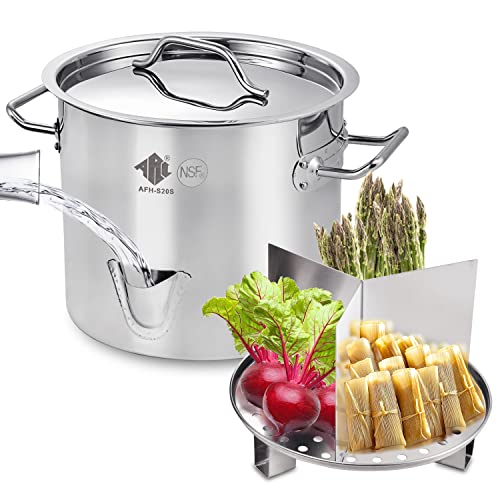
ARC 20QT Stainless Steel Tamale Steamer Pot w/Easy-fill Water Spout, Seafood Crab Steam with Divider and Steamer Rack, 5 Gallon
PREMIUM STAINLESS STEEL: ARC Vegetable steamer pot and parts are made of multi-ply construction high-quality food-grade stainless steel….
As an affiliate, we earn on qualifying purchases.
As an affiliate, we earn on qualifying purchases.
Traditional Foods and Their Spiritual Meaning

Traditional Christmas foods in Hispanic culture are more than just delicious dishes; they carry deep spiritual significance. The flavors often symbolize unity, gratitude, and hope, reflecting the spirit of the season. For example, tamales represent the nurturing of community and family, linking to the warmth of shared faith. As you enjoy Christmas carols, remember they celebrate the birth of Christ, reinforcing the holiday’s religious meaning. Many families display Nativity scenes, which serve as visual reminders of Jesus’s birth and the divine message of hope. Preparing and sharing these traditional foods becomes a sacred act, connecting you to faith and cultural heritage. Incorporating farmhouse-inspired decor elements into your celebration can also create a cozy, welcoming environment that echoes the warmth and togetherness of the season. These customs deepen your appreciation of Christmas, emphasizing that the holiday is as much about spiritual reflection as it is about celebration.

The Muppet Christmas Carol | Piano/Vocal/Guitar Sheet Music and Songbook | 11 Holiday Classics for PVG | Christmas Music Book for Students/Teachers/Fans | Festive Carols with Color Photos
Features 11 New Muppet Carols from the Movie
As an affiliate, we earn on qualifying purchases.
As an affiliate, we earn on qualifying purchases.
Religious Celebrations and Midnight Masses
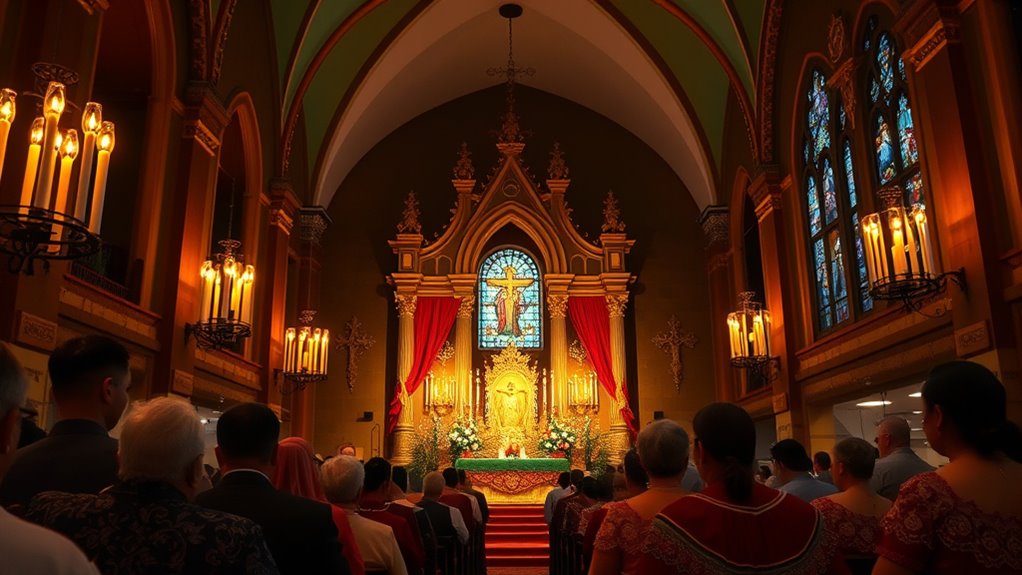
As families gather around festive tables and enjoy traditional foods with deep spiritual meanings, many also participate in religious celebrations that highlight the true meaning of Christmas. Midnight Mass is a cherished tradition, where you can experience the solemnity and joy of the season. During the service, Christmas carols are sung, filling the church with songs that evoke hope and reverence. After Mass, it’s common to join in gift exchanges, symbolizing the gifts brought to the Christ child. These gatherings reinforce faith and community, reminding you of the spiritual significance behind Christmas. Attending Midnight Mass and singing carols deepen your connection to tradition, blending faith with festive cheer in a meaningful way. To ensure a meaningful and safe celebration, it’s also helpful to be aware of protecting your savings from scams associated with holiday investments.

2025 Nativity Scene Figurine Set, 12-Piece Christmas Manger Display with Holy Family & Three Wise Men, Tabletop Creche Décor for Mantel, Tiered Tray or Entry Table, Gift-Boxed Holiday Decoration
A Peaceful Christmas Moment — Gentle, heart-warming manger scene that brings the story of hope and light into…
As an affiliate, we earn on qualifying purchases.
As an affiliate, we earn on qualifying purchases.
Customs and Rituals That Celebrate Faith and Heritage
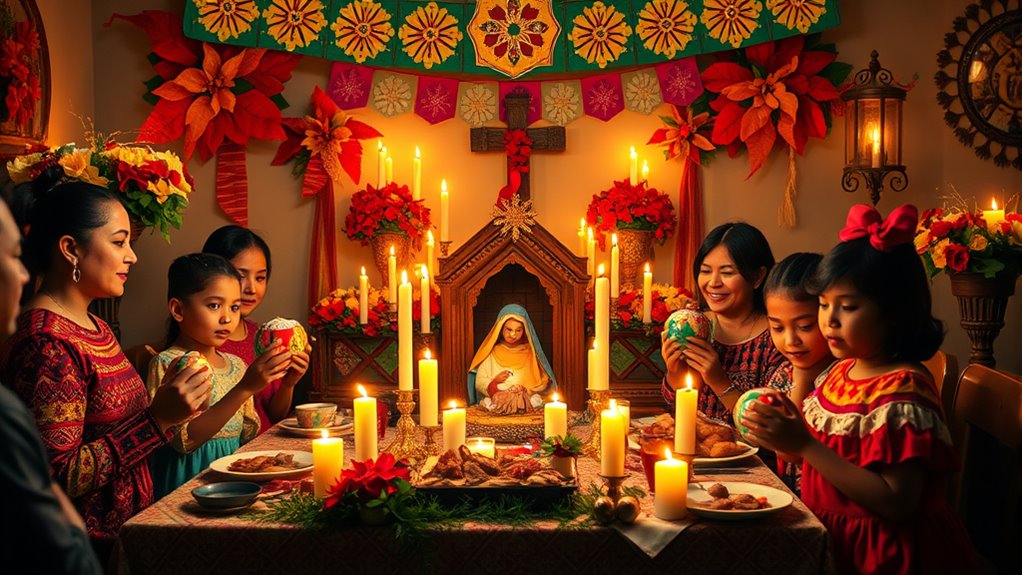
Many Hispanic families celebrate Christmas through customs and rituals that honor both faith and heritage, creating a sense of unity and spiritual significance. One cherished tradition is singing Christmas carols, which express joy and devotion, often echoing through neighborhoods and homes. These carols reinforce cultural identity and deepen spiritual connections during the season. Gift exchanges are also essential, symbolizing love and generosity rooted in faith. You might participate in exchanging small presents after Midnight Mass or during family gatherings, emphasizing the importance of giving and gratitude. These customs foster a warm, communal atmosphere where faith and tradition intertwine, reminding you of the spiritual significance of Christmas. Engaging in cultural traditions like these helps preserve Hispanic heritage while celebrating the sacred meaning of the holiday.
Modern Adaptations of Historic Christmas Practices
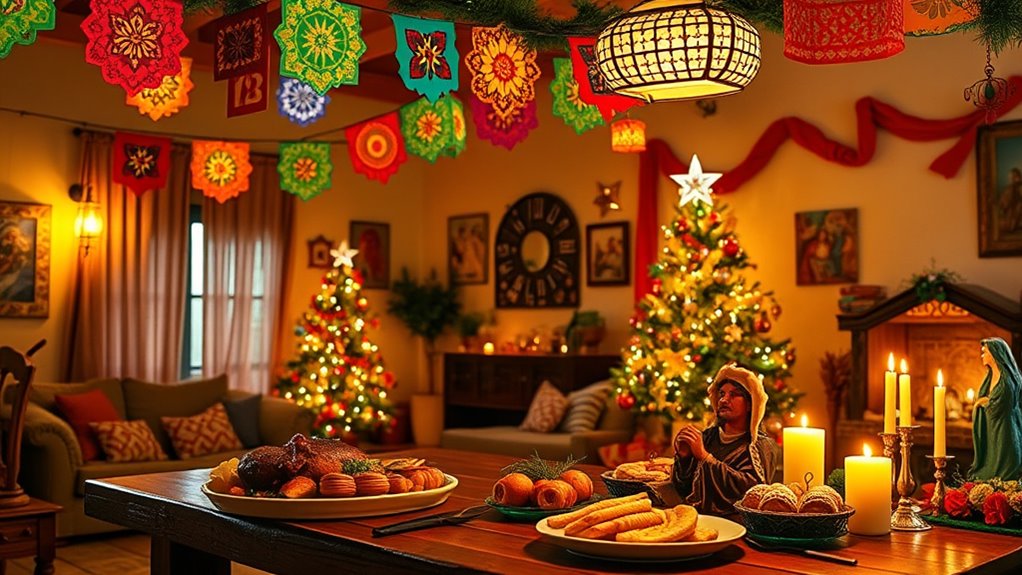
Today, families are adapting historic Christmas practices to fit modern lifestyles, blending old customs with new trends. You might see traditional Nativity scenes alongside colorful Christmas ornaments on the tree, adding a personal touch to holiday decorations. Many incorporate holiday music by streaming festive playlists or sharing favorite Hispanic songs, creating a lively atmosphere. Some families skip traditional gift exchanges and instead focus on community service or virtual gatherings. Others use social media to share photos of their celebrations, keeping cultural connections strong. These adaptations help preserve the spirit of Hispanic Christmas traditions while making them relevant today. Additionally, engaging in virtual hackathons or online cultural events can foster community and innovation during the holiday season. By blending cherished customs with contemporary elements, you can create meaningful and joyful holiday experiences that honor your heritage and embrace modern life.
Frequently Asked Questions
How Do Hispanic Christmas Traditions Vary Across Different Countries?
You’ll notice that Hispanic Christmas traditions vary by country, reflecting regional culinary delights and festive attire. For example, in Mexico, you enjoy tamales and piñatas, while in Puerto Rico, lechón is popular. In Colombia, festive attire includes colorful outfits for parades. These differences celebrate local culture, making each country’s holiday unique. You’ll find that regional culinary specialties and traditional dress add vibrant flavor to the festivities everywhere.
What Is the Historical Origin of Nochebuena Celebrations?
You might find that Nochebuena celebrations originate from Spanish Catholic traditions dating back to the 16th century, blending indigenous customs with European influences. During this festive night, families gather to enjoy traditional Christmas carols and indulge in festive foods like tamales and roast meats. These celebrations emphasize faith and community, creating a warm, joyful atmosphere where people come together to honor the holiday’s religious significance.
How Do Children Participate in Religious Aspects of Christmas?
You participate in the religious aspects of Christmas by engaging in nativity plays and reflecting on the story of Jesus’ birth. Children often act out the nativity scene, bringing the story to life and deepening their faith. They also take part in gift giving, symbolizing the gifts brought to Jesus by the Wise Men. These activities help you connect with the spiritual meaning of Christmas and celebrate its religious significance.
Are There Specific Prayers or Hymns Unique to Hispanic Christmas?
You’ll find that Hispanic Christmas features special Christmas carols and prayer customs that hold deep cultural significance. Unique hymns, often sung during Mass or family gatherings, celebrate faith and tradition. These include joyful melodies like “Los Peces en el Río” and heartfelt prayers that evoke hope and unity. Embrace these traditions, as they subtly convey spiritual messages and strengthen bonds, creating a meaningful festive atmosphere rooted in faith and community.
How Are Indigenous and Colonial Influences Blended in These Traditions?
You see indigenous rituals blended with colonial heritage in Hispanic Christmas traditions, creating a vibrant cultural tapestry. You might participate in processions that incorporate native dances or incorporate indigenous symbols into nativity scenes. Colonial influences bring Catholic prayers and hymns, while indigenous rituals add unique elements like offerings or traditional music. This blending enriches your celebrations, honoring both ancestral customs and religious faith, making your holiday experience deeply meaningful and uniquely Hispanic.
Conclusion
As you embrace Hispanic Christmas traditions, you’ll find that nearly 80% of Hispanic families celebrate Nochebuena with both faith and joy. These customs, from festive foods to midnight Masses, deepen your connection to heritage and spirituality. By participating, you honor centuries of faith-based practices that bring communities together. So, whether you’re enjoying traditional dishes or attending Mass, you’re part of a vibrant, meaningful celebration that enriches your holiday experience.