

To cultivate the Fruit of the Spirit daily, you can make intentional choices like showing love through acts of kindness, practicing patience during challenges, and embracing joy in simple moments. Focus on developing inner peace with mindfulness and letting go of control. Be honest, gentle, and faithful in your relationships, and use routines like prayer or reflection to strengthen self-control. If you keep exploring, you’ll discover practical ways to grow these qualities every day.
Key Takeaways
- Practice daily acts of kindness, patience, and forgiveness to nurture the qualities of the Fruit of the Spirit.
- Cultivate mindfulness and gratitude to foster inner peace and joy in everyday moments.
- Develop self-control through routines like deep breathing and reflection, especially during challenges.
- Live with integrity and authenticity, aligning actions with personal values and spiritual principles.
- Seek divine guidance through prayer and spiritual disciplines to strengthen character and spiritual growth.
Embracing Love in Daily Interactions

Love isn’t just a feeling; it’s a choice you make every day, especially in your interactions with others. When conflicts arise, practicing empathy helps you see things from the other person’s perspective, fostering understanding rather than judgment. Forgiveness in relationships is essential—letting go of resentment opens the door for healing and growth. You can choose to respond with patience, kindness, and a willingness to listen, even when it’s difficult. By intentionally embracing love, you create a positive environment where trust and respect flourish. Small acts of kindness and genuine concern remind others that they matter. Remember, love in daily interactions isn’t about perfection; it’s about consistently choosing compassion and understanding, which strengthens your relationships and reflects the Fruit of the Spirit. Developing emotional resilience can help you maintain love and patience during challenging moments.
Finding Joy in Simple Moments
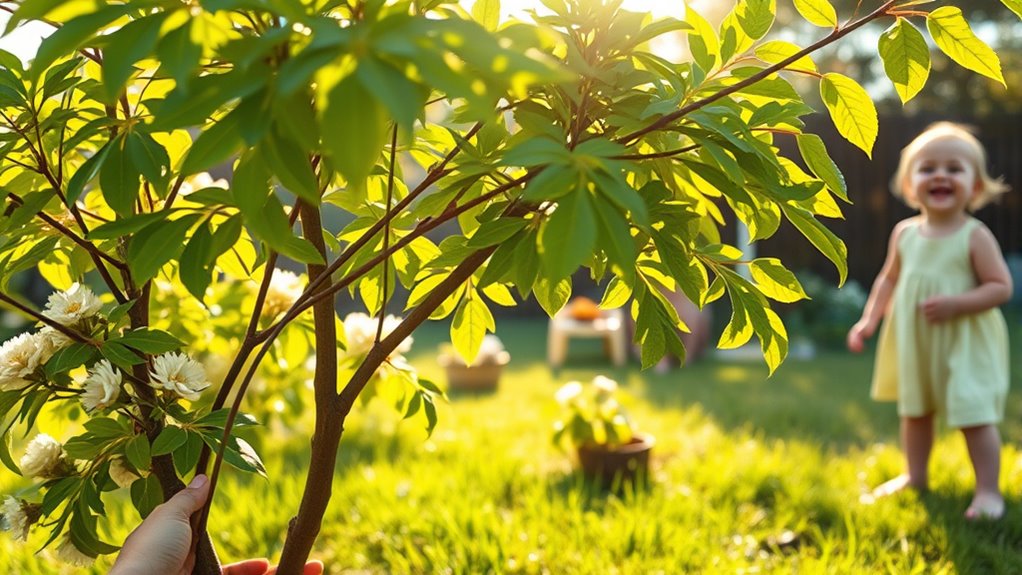
Sometimes, it’s the small, everyday moments that bring the most genuine joy. Finding joy isn’t always about big achievements; it’s about savoring simplicity. When you pause to notice the little things, life feels richer and more meaningful. You can find joy in:
- Watching the sunrise or sunset
- Savoring a warm cup of coffee or tea
- Listening to birds sing
- Sharing a genuine smile with someone
- Feeling the sun on your skin
These simple moments remind you to stay present and grateful. By intentionally noticing and appreciating small blessings, you cultivate joy in everyday life. Savoring simplicity helps you slow down, connect, and find happiness in the here and now. It’s in these quiet, unnoticed moments that true joy often resides. For example, appreciating the small blessings in daily routines can deepen your sense of gratitude and contentment.
Cultivating Inner Peace Amidst Chaos

To find inner peace amid chaos, start practicing mindfulness daily to ground yourself in the present moment. Letting go of the need to control everything can also bring relief and clarity. When you focus on what you can influence, peace becomes more accessible despite external turmoil. Incorporating thoughtful gift-giving into your routines can also promote a sense of connection and joy that nurtures inner calm.
Mindfulness Practices Daily
Practicing mindfulness daily can be a powerful way to cultivate inner peace, even when chaos surrounds you. Incorporate simple routines like meditation techniques and mindful breathing to center yourself amid stress. These practices help you stay present, reducing anxiety and cultivating patience. Consistency is key; even a few minutes each day makes a difference. Focus on your breath, noticing each inhale and exhale to ground your mind. You can also set reminders to pause and take a mindful breath during busy moments. Remember, mindfulness isn’t about controlling everything but about accepting the present. Here are some effective ways to practice:
- Start your day with 5 minutes of mindful breathing
- Use guided meditation apps for focus
- Pause before reacting in stressful situations
- Incorporate mindful pauses during routine activities
- Reflect on your feelings without judgment
Additionally, being aware of your environment and its effects can help you better manage stress and maintain inner peace through proper storage and handling, ensuring your mental clarity remains intact.
Letting Go of Control
As you develop mindfulness routines, you begin to notice how much effort it takes to control every aspect of your life. Letting go of control isn’t easy, but it’s essential for cultivating inner peace amidst chaos. By surrendering expectations, you free yourself from the burden of trying to dictate outcomes. Instead, you trust that things will unfold as they should, which brings a sense of calm and acceptance. This doesn’t mean you stop caring or acting; it means you release the need to micromanage every detail. When you let go of control, you create space for growth, patience, and divine guidance. Recognizing the importance of virtue and intention helps you stay aligned with your values and live more intentionally. Embracing this shift allows you to experience life more fully, rooted in faith rather than fear.
Developing Patience When Facing Challenges

When facing difficult situations, developing patience can feel like an uphill battle, but it’s essential for growing in the Fruit of the Spirit. To strengthen this virtue, practice mindful reflection to understand your reactions and triggers better. Remind yourself that challenges are opportunities for growth, not obstacles. Reinforce patience by pausing before responding and trusting God’s timing. Remember, patience isn’t passive; it’s active perseverance. Focus on these key ideas:
- Recognize your emotional responses early
- Breathe deeply to calm impulsive reactions
- Reflect on past experiences to build resilience
- Seek God’s guidance in moments of frustration
- Reinforce patience through daily prayer and meditation
- Cultivate self-awareness to better understand your emotional patterns and reactions
With consistent effort, your ability to remain calm under pressure will deepen, nurturing your spiritual growth.
Acts of Kindness as a Lifestyle

Acts of kindness don’t have to be grand; small gestures can create a ripple effect. By making kindness a regular part of your life, you’ll see how consistent effort leads to meaningful change. When kindness becomes a habit, it transforms your daily interactions and spreads positivity to others. Practicing intentional personal growth can further enhance your ability to foster genuine kindness in all areas of life.
Small Acts, Big Impact
Small acts of kindness can create ripple effects that transform lives and communities. By incorporating small gestures into your daily routines, you demonstrate love and compassion effortlessly. These acts don’t need to be grand; simple choices like smiling, holding the door, or offering a listening ear can make a big difference. When kindness becomes part of your routine, it spreads naturally, inspiring others to follow suit. Remember, consistent small acts build trust and foster stronger relationships. Over time, these small gestures cultivate patience, humility, and empathy—fruits of the Spirit. Keep in mind:
- A genuine compliment brightens someone’s day
- Helping someone without expecting anything in return
- Sending a thoughtful note or message
- Giving your time to listen actively
- Performing chores without being asked
Each act, no matter how small, creates meaningful change. Incorporating these acts into your daily life also helps develop the fruits of the Spirit, such as patience and kindness, which are essential for personal growth and building community.
Consistent Kindness Practice
Practicing kindness consistently transforms it from a series of occasional gestures into a natural part of your daily life. To do this, incorporate habits like gratitude journaling, which helps you recognize everyday kindnesses and stay mindful of others’ needs. Make intentional listening a priority—truly focus on understanding others without distractions—so your responses are genuine and compassionate. When kindness becomes a regular practice, small actions grow into a lifestyle that reflects your values. Over time, these habits help you develop patience, empathy, and a deeper appreciation for the people around you. Consistency is key; by intentionally choosing kindness each day, you cultivate a heart that naturally extends grace and love in all your interactions. Additionally, embracing positive thinking can reinforce your ability to maintain a compassionate outlook even during challenging situations.
Living With Integrity and Goodness

Living with integrity and goodness means aligning your actions with your values, even when no one is watching. It requires honesty and humility, recognizing that your character matters more than appearances. You take responsibility for your choices, building trust with others through consistent, truthful behavior. When you act with integrity, you demonstrate that your words and deeds match your beliefs, fostering a reputation of reliability. Incorporating honest skincare practices into your routine reflects your commitment to authenticity and self-care. Prioritize goodness over convenience. Living with integrity and goodness cultivates a life of authenticity and respect, strengthening your relationships and inner peace. It’s about making choices that reflect your true values, regardless of external pressures.
Building Faithfulness in Relationships

Building faithfulness in relationships requires a deliberate commitment to consistency and reliability. You show trust building through your actions, proving you’re dependable even when it’s inconvenient. Keep your promises and follow through on commitments, reinforcing loyalty and demonstrating that others can rely on you. Small acts like checking in or offering support strengthen your bond and foster a sense of security. Avoid neglect or inconsistency, as these can weaken trust and undermine faithfulness. Instead, be intentional about showing up and honoring your words. Over time, this deliberate effort reinforces loyalty, creating a foundation of trust that withstands challenges. Remember, faithfulness isn’t a one-time act; it’s a continuous choice to remain committed and trustworthy in your relationships.
Practicing Gentleness in Communication

Gentleness in communication transforms how you engage with others, creating a safe space for open dialogue and understanding. When you practice gentleness, your words become tools for connection rather than conflict. Assertive communication, rooted in respect and clarity, allows you to express yourself without aggression. Through assertiveness training, you learn to balance honesty with kindness, ensuring your message is heard without hurting others. Remember, gentle communication involves active listening, patience, and empathy. It encourages collaboration and reduces misunderstandings. To foster this, keep these principles in mind:
- Speak with respect and kindness
- Use a calm, steady tone
- Listen without interrupting
- Express your thoughts honestly but gently
- Be open to others’ perspectives
Practicing these habits enhances relationships and exemplifies the fruit of gentleness.
Exercising Self-Control in Tempting Situations

Practicing gentle communication helps you foster trust and understanding, but it also prepares you to exercise self-control when faced with tempting situations. To succeed in temptation avoidance, you need to recognize triggers that lead to impulsive actions. Developing impulse control allows you to pause before reacting, giving you time to choose wisely. When temptation presents itself, remind yourself of your values and the long-term goals of living with integrity. Stay alert to emotional cues that signal a loss of self-control, and implement strategies like deep breathing or distraction to stay centered. Consistently practicing these skills strengthens your ability to resist immediate urges, empowering you to act with patience and discipline. Over time, this cultivates a resilient self-control that supports your spiritual growth.
Integrating Fruit of the Spirit Into Your Routine

Integrating the Fruit of the Spirit into your daily routine requires intentional effort and consistent practice. Focusing on spiritual disciplines like prayer, meditation, or journaling helps reinforce character development and keeps spiritual growth active. To effectively cultivate these qualities, consider these strategies:
- Set aside dedicated time each day for reflection on the Fruit of the Spirit
- Incorporate acts of kindness or patience into your interactions
- Practice gratitude to foster joy and peace
- Use reminders or affirmations to stay mindful of your character goals
- Seek accountability through a mentor or supportive community
Frequently Asked Questions
How Can I Measure My Spiritual Growth Effectively?
You can measure your spiritual growth by setting and recognizing spiritual milestones and growth benchmarks. Regularly reflect on your progress in virtues like patience, kindness, and self-control. Keep a journal to track moments when you exhibit these qualities or face challenges. Seek feedback from trusted friends or mentors who observe your character. Over time, noticing increased consistency in your actions and attitudes indicates meaningful spiritual development.
What Are Common Obstacles to Practicing the Fruit of the Spirit Daily?
Imagine your heart as a garden, where weeds like self-doubt and time mismanagement threaten to choke the plants of patience and kindness. These obstacles block daily practice of the Spirit’s fruits. You can overcome them by consciously pruning doubts and prioritizing time for reflection and growth. With consistent effort, your spiritual garden will flourish, revealing the vibrant fruits of love, joy, peace, and more in your everyday life.
How Does Community Influence the Cultivation of These Virtues?
Community support and shared accountability play a essential role in cultivating the Fruit of the Spirit. When you surround yourself with people who encourage kindness, patience, and love, you’re more likely to practice these virtues consistently. Your community provides feedback, encouragement, and accountability, helping you stay committed to growth. Together, you create a nurturing environment that strengthens your ability to embody these qualities daily, making spiritual fruitfulness a shared journey.
Can Cultivating the Fruit of the Spirit Impact Mental Health?
Did you know that practicing mindfulness meditation can boost emotional resilience by up to 60%? Cultivating the Fruit of the Spirit can profoundly impact your mental health, helping you handle stress better and foster more positivity. When you actively develop virtues like patience and kindness, you create a healthier mindset. This ongoing effort strengthens your emotional well-being, making it easier to face daily challenges with calm and confidence.
What Are Practical Ways to Stay Consistent in Spiritual Practices?
To stay consistent in spiritual practices, start by setting aside dedicated time each day, making it a priority. Use mindful journaling to reflect on your progress and stay focused. Find accountability partners who encourage and challenge you to grow spiritually. Remember, consistency builds habits, so celebrate small wins along the way. Over time, these practices become natural, strengthening your connection and fostering patience and perseverance.
Conclusion
So, here’s the irony: while you endeavor to cultivate love, joy, peace, patience, kindness, faithfulness, gentleness, and self-control every day, life still throws curveballs. But maybe that’s the point—you get to practice these fruits precisely when they’re hardest to show. Embrace the chaos, find purpose in the struggle, and remember, sometimes the most ordinary moments are where your spirit truly blossoms. After all, growth often blooms in unexpected places.