

To build a family culture of faith and forgiveness, you can start by sharing your spiritual beliefs and practicing daily rituals like prayer and reflection together. Model forgiveness through your actions, demonstrate patience during conflicts, and celebrate spiritual milestones as a family. Create traditions that reinforce core values and foster open, honest communication over time. By intentionally nurturing these practices, you’ll strengthen bonds and develop resilience—your family’s journey towards faith and forgiveness continues as you explore these meaningful steps.
Key Takeaways
- Incorporate daily faith rituals like prayer, journaling, and family devotionals to reinforce spiritual growth.
- Model forgiveness through personal stories, actions, and responding with kindness during conflicts.
- Share biblical stories and faith-based storytelling to teach redemption, compassion, and love.
- Establish traditions and celebrations around religious holidays and milestones to strengthen family faith.
- Create a safe, open environment for honest communication, active listening, and emotional vulnerability.

Our Family Prayer Journal: A Year of Faith, Gratitude and Growing Together
As an affiliate, we earn on qualifying purchases.
As an affiliate, we earn on qualifying purchases.
Embracing Shared Spiritual Values

When families openly share their spiritual beliefs and practices, they create a strong foundation for unity and understanding. Embracing shared spiritual values doesn’t mean everyone must have identical beliefs but rather respect and appreciate religious diversity within the family. Engaging in interfaith dialogue allows family members to discuss different faith perspectives openly, fostering empathy and reducing misunderstandings. By recognizing common principles like compassion, forgiveness, and love, you strengthen your family bond. This shared approach encourages acceptance and helps family members feel valued, regardless of their specific spiritual paths. Incorporating sound design techniques, such as creating ambient audio that reflects different spiritual traditions, can also enrich family storytelling and shared experiences. Embracing these values creates a harmonious environment where spiritual differences are respected, and a collective sense of purpose is cultivated. Ultimately, it nurtures a family culture rooted in mutual respect and shared values.

The Berenstain Bears Bedtime Devotional: Includes 90 Devotions (Berenstain Bears/Living Lights: A Faith Story)
As an affiliate, we earn on qualifying purchases.
As an affiliate, we earn on qualifying purchases.
Establishing Daily Faith Practices
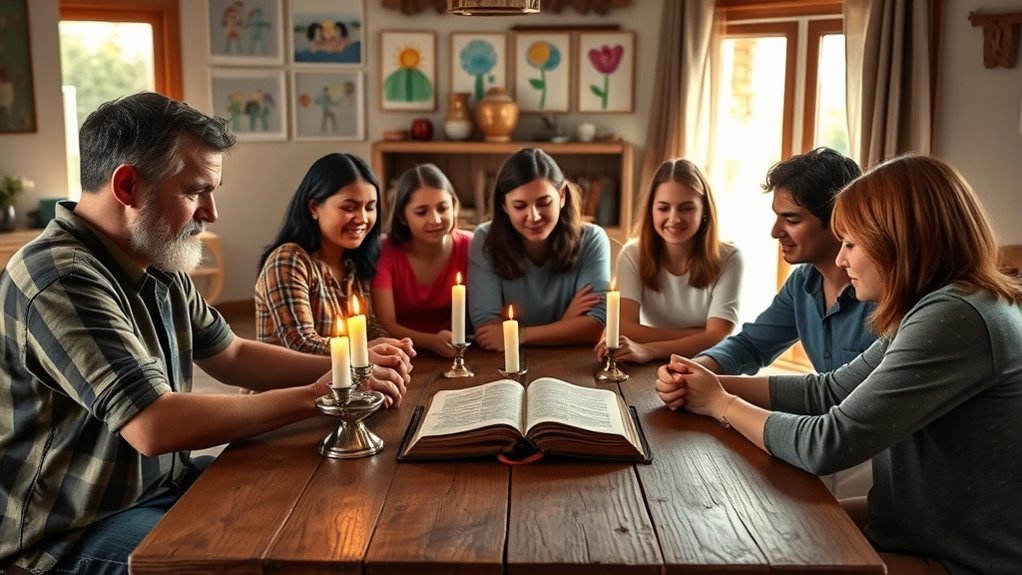
Establishing daily faith practices helps families integrate spirituality into their everyday routines, making faith an active and meaningful part of life. One effective way is through prayer journaling, where you can record thoughts, gratitude, and reflections, fostering a deeper connection to your beliefs. Incorporate faith-based routines, like morning devotionals or evening prayers, to create consistency and structure. These practices encourage children to see faith as a daily journey rather than a weekly obligation. By dedicating a few moments each day to prayer, reflection, or journaling, you reinforce spiritual values and nurture a family environment rooted in trust and openness. Implementing faith routines that focus on mindfulness and reflection can further deepen your family’s spiritual growth. These small, intentional acts help your family stay grounded in faith amid life’s busyness.

Family Forgiveness and Reconciliation: Peace Through Biblical Truth
As an affiliate, we earn on qualifying purchases.
As an affiliate, we earn on qualifying purchases.
Modeling Forgiveness in Everyday Life

You can model forgiveness every day through your actions, showing your family how to let go of resentment. Sharing personal stories helps others see forgiveness as a meaningful part of life. By practicing daily forgiveness, you set a powerful example that encourages everyone to embrace compassion and understanding. Incorporating emotional support in your interactions can further strengthen family bonds and promote healing.
Demonstrate With Actions
Modeling forgiveness through everyday actions shows family members how to practice compassion and reconciliation. Incorporate family traditions and faith-based activities that emphasize forgiveness, such as praying together or discussing stories of mercy from your faith. When conflicts arise, demonstrate patience and understanding rather than anger, showing that forgiveness is a daily choice. Celebrate moments when someone offers an apology or shows remorse, reinforcing that forgiving others strengthens family bonds. Use these opportunities to teach by example, making forgiveness a natural part of your family culture. Small gestures, like forgiving a sibling or acknowledging a mistake, create a powerful message. Consistently demonstrating forgiveness helps instill these values deeply, guiding your family to live out their faith through actions.
Share Personal Stories
Have you ever wondered how sharing personal stories of forgiveness can strengthen your family’s values? When you openly discuss times you’ve forgiven or been forgiven, you model humility and trust. Incorporating these stories into family rituals or faith-based activities makes forgiveness tangible and relatable. It shows that everyone makes mistakes and that healing is possible. Sharing stories also invites others to reflect on their own experiences and grow together. Use the table below to inspire your storytelling:
| Family Rituals | Faith-Based Activities |
|---|---|
| Sharing Sunday dinners | Prayer circles for healing |
| Celebrating forgiveness milestones | Testimony nights |
| Family journaling | Faith stories during holidays |
These shared moments deepen connections and reinforce a culture rooted in faith and forgiveness. Additionally, creating customized candle labels for family events can serve as meaningful keepsakes that symbolize the light of forgiveness and faith in your household.
Practice Daily Forgiveness
Practicing daily forgiveness transforms everyday interactions into opportunities for growth and connection. You can incorporate forgiveness into family rituals, like sharing gratitude or discussing challenges at mealtime. Faith-based activities, such as prayer or reflective conversations, reinforce the importance of forgiveness in your family’s values. When conflicts arise, choose to forgive quickly and model this behavior for your children. Consistently practicing forgiveness demonstrates that mistakes are part of life and that love and understanding prevail. Additionally, understanding the power of electric horsepower in electric bikes can inspire families to explore new hobbies involving eco-friendly transportation. By making forgiveness a daily habit, you create a culture rooted in compassion and faith. This ongoing effort helps your family develop resilience and deepens your bonds, fostering an environment where forgiveness becomes second nature in both small and significant moments.

Awakening Bath & Shower Ritual & Spell Kit | Psychic & Spiritual Development | Stronger Than Florida Water | Lavender Herbal Salts | White Magic | Uncrossing Incense (FMB – Purple)
Quick Overview: Complete Ritual Kit for Any Intention | Handmade by a Twice Ordained Priestess | Includes Organza…
As an affiliate, we earn on qualifying purchases.
As an affiliate, we earn on qualifying purchases.
Creating Open and Honest Communication

To build trust in your family, start by encouraging active listening and making space for everyone to share their feelings openly. When you respond with understanding and without judgment, it fosters honesty and connection. Remember, honest communication strengthens your family’s faith and forgiveness. Incorporating open and honest communication practices can also help prevent misunderstandings and build a more resilient family bond.
Encourage Active Listening
Encouraging active listening is essential for fostering open and honest communication within your family. When you practice active listening, you show your family members you genuinely care and understand their feelings. It promotes empathetic communication, helping everyone feel valued and heard. To strengthen this skill, consider this simple guide:
| Listen Fully | Show Engagement | Respond Thoughtfully |
|---|---|---|
| Avoid interrupting | Maintain eye contact | Paraphrase what you hear |
| Focus on feelings | Use affirming gestures | Ask clarifying questions |
Additionally, practicing empathy (a core empathy skill) can deepen your understanding and connection during conversations.
Share Feelings Freely
Sharing your feelings openly is the key to building trust and understanding in your family. When you practice emotional honesty, you create a safe space for others to do the same. Vulnerability sharing allows family members to connect on a deeper level, fostering empathy and compassion. By expressing your true feelings without fear of judgment, you encourage others to share theirs honestly. This openness strengthens your relationships and nurtures a culture of trust rooted in faith and forgiveness. Remember, honesty isn’t about perfection but about genuine connection. When everyone feels heard and validated, it becomes easier to navigate conflicts and misunderstandings with kindness and patience. Incorporating intentional home decoration can also serve as a visual reminder of your family’s values and commitment to openness. Ultimately, sharing feelings freely builds a foundation where love, faith, and forgiveness can flourish naturally.
Practice Non-Judgmental Responses
When family members open up about their feelings, it’s important to respond without judgment. Using judgmental language or criticism can shut down honest communication. Instead, focus on creating a safe space by:
- Listening actively and showing genuine concern
- Validating their emotions without offering immediate solutions
- Avoiding criticism or blame, even if you disagree
- Asking open-ended questions to encourage deeper sharing
Additionally, understanding the importance of color accuracy can help you better appreciate the nuances of honest emotional expression.
Teaching Children About Grace and Redemption

Teaching children about grace and redemption involves more than just explaining these concepts; it’s about demonstrating them through everyday actions and conversations. During family prayer, emphasize God’s unconditional love and forgiveness, showing that everyone can receive grace. Use biblical storytelling to highlight stories of redemption, like the prodigal son or Paul’s transformation, making these lessons relatable. When children see you forgive others and seek forgiveness yourself, you model grace in action. Discuss how Jesus’ sacrifice offers redemption for everyone, helping children understand that no mistake is too big for God’s mercy. Incorporating airless paint sprayers into family projects can serve as a practical example of efficient and careful work, illustrating the importance of patience and precision in applying grace and forgiveness. Consistently reinforcing these lessons in daily family life nurtures a deep, lasting understanding of grace and redemption that shapes their faith journey.
Navigating Conflicts With Compassion

Conflicts are inevitable in family life, but approaching them with compassion transforms disagreements into opportunities for growth. When you lead with spiritual strength, you model patience and understanding. During conflicts, consider these steps:
- Recognize emotions behind family routines that trigger tension.
- Listen actively, showing genuine care and respect.
- Respond with kindness, emphasizing forgiveness over blame.
- Reinforce unity through prayer and shared values.
Your spiritual leadership guides your family toward peace, even amid tension. By intentionally steering through conflicts with compassion, you teach your children resilience and grace. This approach nurtures a family culture rooted in faith and forgiveness, fostering stronger bonds and transforming challenges into moments of spiritual growth.
Celebrating Spiritual Milestones Together
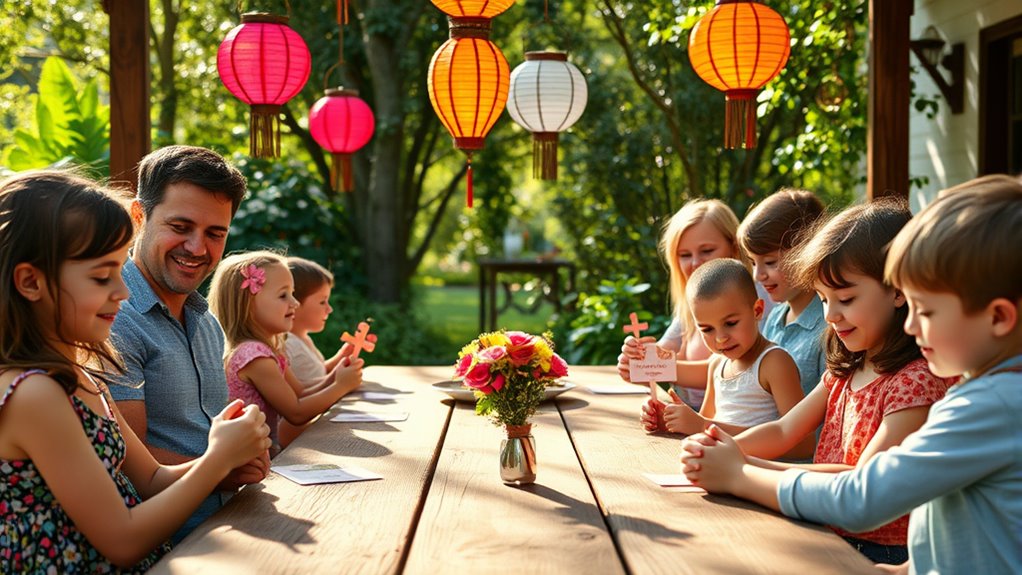
Celebrating spiritual milestones together creates meaningful opportunities to deepen your family’s faith and strengthen your bonds. Marking occasions like baptisms, confirmations, or anniversaries with family prayer reminds everyone of your shared spiritual journey. Incorporate faith-based activities such as attending church services or hosting prayer nights to make these moments special. These celebrations reinforce core beliefs and inspire gratitude within your family. When you gather to acknowledge milestones, you create a supportive environment where faith becomes a natural part of your daily life. Involving children in these celebrations teaches them the importance of spiritual growth and forgiveness. Consistently recognizing these moments helps your family cultivate a lasting culture of faith, love, and forgiveness.
Building Traditions That Reinforce Beliefs

Building traditions that reinforce your family’s beliefs helps turn special moments into lasting spiritual practices. You can create intergenerational rituals that bond everyone and pass down core values. Incorporate faith-based storytelling during family gatherings, sharing stories from scripture or personal faith journeys to inspire and teach. To deepen these traditions, consider:
Creating faith-based family traditions transforms special moments into lasting spiritual practices.
- Holding regular family devotions that include prayer and reflection
- Celebrating religious holidays with meaningful rituals across generations
- Encouraging elders to share faith stories, strengthening family bonds
- Establishing annual traditions that highlight core beliefs and values
These practices help embed faith into daily life, making beliefs tangible and memorable for every family member. When traditions are intentional, they become powerful tools for nurturing a resilient, faith-filled family culture.
Supporting Each Other’s Growth and Healing

Supporting each other’s growth and healing is essential for nurturing a resilient family faith. When family members openly share their struggles and victories, you strengthen emotional resilience, helping everyone bounce back from setbacks. Incorporate family rituals that promote reflection and connection, such as prayer circles or regular check-ins, to create safe spaces for healing. These rituals reinforce a sense of unity and trust, making it easier to support one another through difficult times. By prioritizing emotional resilience and consistent family practices, you foster an environment where growth is encouraged, and forgiveness flows freely. This ongoing support ensures that your family remains grounded in faith, healing wounds together, and strengthening your collective bond.
Frequently Asked Questions
How Can I Involve Reluctant Family Members in Faith Practices?
You can involve reluctant family members in faith practices by gently encouraging family engagement through shared activities that resonate with everyone’s interests. Invite them to participate in faith-based discussions or community events without pressure, making faith participation feel welcoming rather than obligatory. Respect their pace and choices, and show genuine curiosity about their perspectives. Over time, this approach helps foster openness and gradually increases their involvement in your family’s spiritual life.
What Are Effective Ways to Handle Disagreements About Spiritual Beliefs?
Disagreements about spiritual beliefs can feel like storms on the horizon, but respectful dialogue can be your anchor. Focus on shared values, listening actively, and finding common ground. When you approach with an open heart, you create a safe space for honest conversations. Remember, it’s okay to agree to disagree, strengthening your family’s bond while honoring each person’s spiritual journey. This approach nurtures understanding and respect amid differing beliefs.
How Do I Balance Faith and Forgiveness With Personal Boundaries?
You balance faith and forgiveness with personal boundaries by practicing spiritual discernment and setting clear emotional boundaries. Trust your instincts about what aligns with your beliefs and emotional well-being. Communicate openly and kindly, letting others know your limits while maintaining compassion. Remember, forgiveness doesn’t mean sacrificing your boundaries; it’s about releasing resentment without compromising your spiritual health or emotional safety. Prioritize your faith and inner peace in every interaction.
What Resources Are Best for Teaching Children About Grace?
Think of grace as a timeless treasure, like an ancient manuscript waiting to be discovered. You can teach children about grace through engaging children’s books that illustrate kindness and forgiveness. Incorporate grace-based activities such as role-playing or crafts that emphasize compassion and understanding. These resources make learning about grace fun and meaningful, helping your kids grasp its importance in everyday life while fostering a nurturing family environment rooted in faith.
How Can We Keep Spiritual Traditions Meaningful Over Generations?
To keep spiritual traditions meaningful over generations, you should embrace intergenerational storytelling, sharing personal faith journeys and family history. Encourage open conversations where elders pass down spiritual lessons, creating a lasting spiritual legacy. Engage younger family members in planning and participating in traditions, making them relevant and memorable. By actively involving everyone and emphasizing storytelling, your family’s faith remains vibrant, fostering a sense of connection and purpose across generations.
Conclusion
As you weave faith and forgiveness into the fabric of your family, imagine each shared prayer and act of grace as threads strengthening your tapestry. Together, you create a vibrant mosaic of love, trust, and hope that withstands life’s storms. Keep nurturing these bonds daily, and watch your family blossom into a sanctuary where grace flows freely, and forgiveness lights the way. Your unwavering commitment transforms your home into a sacred garden of spiritual growth.