

Reading the Bible chronologically allows you to see God’s story unfold clearly, helping you understand how events and themes connect over time. It offers insights into the historical context behind key moments, making their significance more meaningful. As you follow the story from creation to Christ, you’ll appreciate God’s promises and faithfulness across generations. Keep exploring, and you’ll discover even deeper insights into how Scripture forms a cohesive and powerful narrative.
Key Takeaways
- Enhances understanding of biblical events by revealing their chronological sequence and thematic connections.
- Provides historical context to deepen insight into the messages of prophets, psalms, and biblical eras.
- Demonstrates the progression of God’s promises and covenant relationships over time.
- Shows the interconnectedness of Scripture, emphasizing its unified redemptive story leading to Christ.
- Offers meaningful spiritual growth through a clearer, more relevant grasp of God’s plan throughout history.

Reading the Bible chronologically allows you to experience the unfolding story of God’s plan from creation to the early church in the order events actually occurred. This approach helps you see how different parts of Scripture interconnect, revealing thematic connections that might be less obvious when reading them out of order. By following the timeline, you gain a clearer understanding of the progression of God’s promises, covenant relationships, and the development of His plan for salvation. It also enables you to grasp the historical context behind each book, making the lessons and messages more relevant and impactful.
Experiencing God’s unfolding plan through chronological Bible reading reveals deeper connections and meaningful insights.
When you read the Bible in chronological order, you’re better equipped to see how historical events influenced biblical writers and their messages. For example, understanding the political upheavals during the exile or the rise of empires like Persia, Greece, and Rome provides deeper insights into the prophets’ words and the psalms. Recognizing these historical contexts helps you appreciate why certain themes, such as hope, redemption, or judgment, resonate differently depending on the era. It also helps you to see God’s faithfulness through different seasons of history, reinforcing the consistency of His character.
By focusing on thematic connections across various books, you notice recurring motifs—like covenant, obedience, or divine mercy—that span centuries. These themes thread through the narrative, illustrating God’s ongoing relationship with His people. As you trace these themes through a chronological reading plan, you see how they develop and mature, giving you a richer appreciation of God’s overarching story. This method also reveals how the New Testament writers reference and interpret Old Testament events, emphasizing the continuity of God’s redemptive plan.
Furthermore, reading the Bible this way encourages you to see the story as a cohesive whole rather than isolated texts. It helps you understand that each book was written within a specific historical context, yet all contribute to the larger narrative of salvation history. You begin to notice how God’s promises are progressively fulfilled, culminating in the life, death, and resurrection of Jesus Christ. This perspective deepens your faith, as you realize that every part of Scripture, when understood in its proper order and context, points to God’s ultimate plan for humanity. Additionally, this approach can help you recognize the historical development of biblical theology, enriching your understanding of God’s evolving relationship with His people.

The Bible Journey: A 52-Week Chronological Bible Reading Plan
As an affiliate, we earn on qualifying purchases.
As an affiliate, we earn on qualifying purchases.
Frequently Asked Questions
How Long Does It Typically Take to Read the Bible Chronologically?
It typically takes about a year to read the Bible chronologically, depending on your reading pace. If you follow a timeline overview and read daily, you’ll likely finish within this timeframe. Your reading pace influences this, so if you read faster or slower, the timeline adjusts accordingly. Setting consistent daily goals helps you stay on track, ensuring you gain a full understanding of the Bible’s chronological narrative.
Can I Combine Chronological Reading With Thematic Study?
Yes, you can combine chronological reading with thematic study to enhance your understanding. This approach allows for thematic integration, helping you see connections across different parts of the Bible. You’ll enjoy reading flexibility, as you can switch between chronological order and thematic focus based on your interests or spiritual needs. This method enriches your study, making it more engaging and meaningful while deepening your overall biblical knowledge.
What Resources Are Best for Creating a Chronological Reading Plan?
You should look for resources like Bible timelines and specialized reading plans to create a solid chronological reading plan. Bible timelines help you visualize the order of events, making your plan more accurate and engaging. Use reputable websites, apps, or study Bible sections dedicated to chronological reading plans. These tools guide you through the sequence, ensuring you stay on track and deepen your understanding of God’s story in the right historical order.
How Does Chronological Reading Affect Understanding of Biblical History?
You gain better contextual clarity and historical insight when you read the Bible chronologically. This approach helps you see the sequence of events as they happened, making it easier to understand how different stories connect and influence each other. By following a timeline, you develop a clearer view of biblical history, deepening your comprehension and allowing you to grasp the overarching narrative more effectively.
Is Chronological Reading Suitable for Beginners or Only Advanced Readers?
Chronological reading can be beginner-friendly since it provides a clear, linear flow of biblical events, making complex comprehension easier. As a beginner, you’ll appreciate how it simplifies the story, helping you grasp the overall timeline without getting lost in different book orders. However, some sections might still challenge you, so taking it slow and using additional resources can enhance your understanding and make the experience more enjoyable.

Chronological Cross-Reference Bible Study Journal: Volume 1: Bible Study Together's 1st Six Months Through Our 2 Year Bible Reading Plan
As an affiliate, we earn on qualifying purchases.
As an affiliate, we earn on qualifying purchases.
Conclusion
By following a chronological plan, you gain a clearer, more interconnected understanding of the Bible’s story. It helps you see how events and themes develop over time, deepening your faith. As you journey through Scripture this way, aren’t you curious to witness the unfolding narrative from beginning to end, like watching a story come alive in perfect order? Embrace this approach, and let the Bible’s story transform your life in ways you never imagined.

Adams Synchronological Chart or Map of History – Historical Timeline Wall Panel (Unbound)
Used Book in Good Condition
As an affiliate, we earn on qualifying purchases.
As an affiliate, we earn on qualifying purchases.
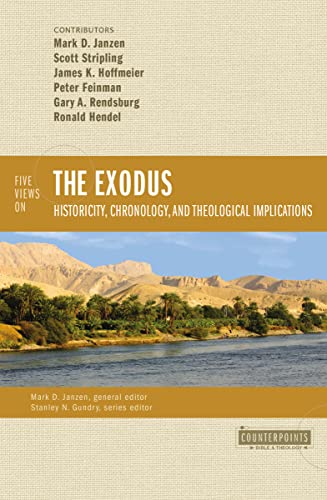
Five Views on the Exodus: Historicity, Chronology, and Theological Implications (Counterpoints: Bible and Theology)
As an affiliate, we earn on qualifying purchases.
As an affiliate, we earn on qualifying purchases.