Archaeology provides strong evidence that supports the Bible’s historical accuracy. Through inscriptions, ancient cities, and artifacts, you can see real proof linking biblical stories to physical sites and figures like Jericho, Hezekiah, and Sargon. Excavations at key locations reveal civilizations that match biblical accounts, reinforcing their legitimacy. Modern techniques help uncover new discoveries, continually strengthening this connection. If you’re curious about how these findings confirm biblical events, there’s much more to explore.
Key Takeaways
- Archaeological inscriptions confirm the existence of biblical cities like Jericho, Hazor, and Lachish.
- Excavations reveal historical layers supporting biblical accounts of civilizations and events.
- Inscriptions reference biblical figures such as King Hezekiah and Sargon of Assyria, aligning with scripture.
- Artifacts from temples and administrative sites reflect religious practices consistent with biblical narratives.
- Modern archaeological techniques continue to uncover evidence that connects physical findings to biblical history.

Have you ever wondered how archaeology confirms the stories in the Bible? One of the most compelling ways is through ancient inscriptions that provide tangible evidence of historical events and personalities. These inscriptions, carved into stone or written on clay tablets, serve as archaeological footprints that link biblical narratives to real people and places. When archaeologists uncover these ancient texts, they often find references to biblical cities, confirming their existence long before modern maps were drawn. For example, the discovery of inscriptions mentioning cities like Jericho, Hazor, and Lachish aligns directly with biblical accounts of these locations, giving credence to their historical reality.
By studying these ancient inscriptions, you can see that many biblical cities were thriving centers of commerce, culture, and political activity. These inscriptions often contain royal decrees, trade records, or religious texts that illuminate the lives of people who inhabited these cities. When archaeologists excavate sites like Megiddo or Gezer, they find layers of civilization that match the biblical descriptions, reinforcing the idea that these cities were not just myth but real places with rich histories. The inscriptions act as a bridge between the biblical narrative and physical evidence, helping you visualize the ancient world as it was.
Moreover, these inscriptions often include references to events or rulers mentioned in the Bible, creating a direct link between archaeological findings and scripture. For instance, inscriptions mentioning King Hezekiah or King Sargon of Assyria support biblical accounts of their reigns and military campaigns. These discoveries show that the biblical stories are rooted in historical reality, rather than being solely spiritual or literary constructs. They also help you understand the geopolitical landscape of ancient times, revealing alliances, conflicts, and cultural exchanges that shaped biblical history.
In addition, inscriptions found in ancient temples, fortresses, or administrative buildings serve as evidence of organized societies that adhered to the religious and cultural practices described in the Bible. When you examine these inscriptions, you gain insights into the daily lives of ancient peoples, their faith, and their governance. This archaeological evidence reinforces the historical credibility of biblical events and demonstrates that the stories you read about in scripture are supported by tangible, physical artifacts. Furthermore, advancements in archaeological techniques continue to uncover new inscriptions, expanding our understanding of biblical history. Overall, ancient inscriptions and the biblical cities they mention provide a convincing and fascinating connection between archaeology and the biblical narrative, helping you see the Bible not just as spiritual literature but as a record intertwined with real history.

12 Tribes of Israel Bible Poster – Ancient Holy Land Artwork from Biblical Times for classroom, Bible map for church, Christian wall decor (16×20")
BEAUTIFULLY DESIGNED – Our posters aren't those boring old academic pieces. Our posters add a touch of warmth…
As an affiliate, we earn on qualifying purchases.
As an affiliate, we earn on qualifying purchases.
Frequently Asked Questions
How Do Archaeological Findings Influence Biblical Faith Today?
Archaeological findings can strengthen your biblical faith by revealing ancient inscriptions and pottery analysis that confirm historical events or places mentioned in the Bible. When you see these artifacts, it deepens your understanding and trust in the biblical narrative. Such discoveries provide tangible evidence, making your faith more grounded in real history, and inspire you to explore further, bridging the gap between faith and historical reality.
Are There Any Conflicts Between Archaeology and Biblical Accounts?
You might think archaeology always confirms biblical stories, but sometimes, there are historical conflicts and cultural discrepancies. For example, certain findings challenge the timeline of events or the existence of specific locations. These conflicts don’t necessarily disprove the Bible but highlight differences in historical record and cultural context. As you explore, remember that archaeology often enriches your understanding, offering a more nuanced view of biblical history rather than outright contradiction.
What Are the Most Significant Archaeological Discoveries Supporting the Bible?
You’ll find that ancient inscriptions and evidence of lost civilizations give strong support to the Bible. Discoveries like the Dead Sea Scrolls confirm biblical texts, while inscriptions from the ancient Hittites and the city of Jericho align with biblical accounts. These archaeological finds help verify stories and timelines, showing that many biblical events are grounded in real historical contexts, strengthening your confidence in the Bible’s historical reliability.
Can Archaeology Disprove Any Biblical Stories?
You can’t judge a book solely by its cover, and archaeology can’t definitively disprove biblical stories either. While some historical artifacts and ancient inscriptions challenge certain details, they rarely disprove the core narratives. Instead, archaeology adds depth and context, showing how stories may have evolved. You should see archaeological findings as pieces of a larger puzzle, helping you understand history better without dismissing faith or scripture outright.
How Reliable Are Archaeological Datings of Biblical Events?
Archaeological datings of biblical events are generally reliable, but you should consider artifact authenticity and dating precision. When experts verify artifacts as genuine, their dating methods—like carbon dating or stratigraphy—are quite accurate. However, some dates can be uncertain or debated due to limited evidence or contamination. So, while archaeological dating provides useful insights, you should interpret findings cautiously, acknowledging potential limitations and the ongoing refinement of dating techniques.
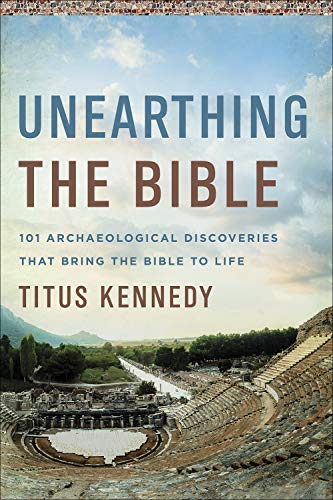
Unearthing the Bible: 101 Archaeological Discoveries That Bring the Bible to Life
As an affiliate, we earn on qualifying purchases.
As an affiliate, we earn on qualifying purchases.
Conclusion
So, as you explore the archaeological evidence, you see how it often aligns with biblical stories, giving you a sense of connection across centuries. While some details remain debated, the discoveries can make you feel like you’re walking alongside ancient prophets, witnessing history unfold. It’s almost like finding a forgotten scroll in your attic, reminding you that the past is still alive today. Ultimately, archaeology invites you to believe in the enduring truth and mystery of the Bible.
Unearthing the Bible: 101 Archaeological Discoveries That Bring the Bible to Life
As an affiliate, we earn on qualifying purchases.
As an affiliate, we earn on qualifying purchases.
inscribed clay tablets biblical references
As an affiliate, we earn on qualifying purchases.
As an affiliate, we earn on qualifying purchases.