
The Bible, especially in Ezekiel chapters 40-48, discusses a future temple with sacrifices that symbolize reconciliation, divine presence, and spiritual renewal. These prophecies suggest that sacrifices will be reinstituted in a restored Jerusalem, linking ancient worship practices with God’s promises of restoration. This moment resonates deeply with biblical expectations of divine salvation and renewal. To understand how these ancient texts connect to current events and beliefs, explore further how these prophecies continue to inspire hope today.
Key Takeaways
- Biblical prophecies in Ezekiel 40-48 describe a future temple with reinstituted sacrifices.
- Sacrifices symbolize atonement, reconciliation, and divine fellowship according to biblical tradition.
- The return of sacrifices aligns with biblical promises of spiritual renewal and messianic restoration.
- The practice connects ancient temple rituals with the anticipated fulfillment of biblical prophecies.
- Contemporary discussions view the resumption as a sign of hope, spiritual significance, and biblical fulfillment.
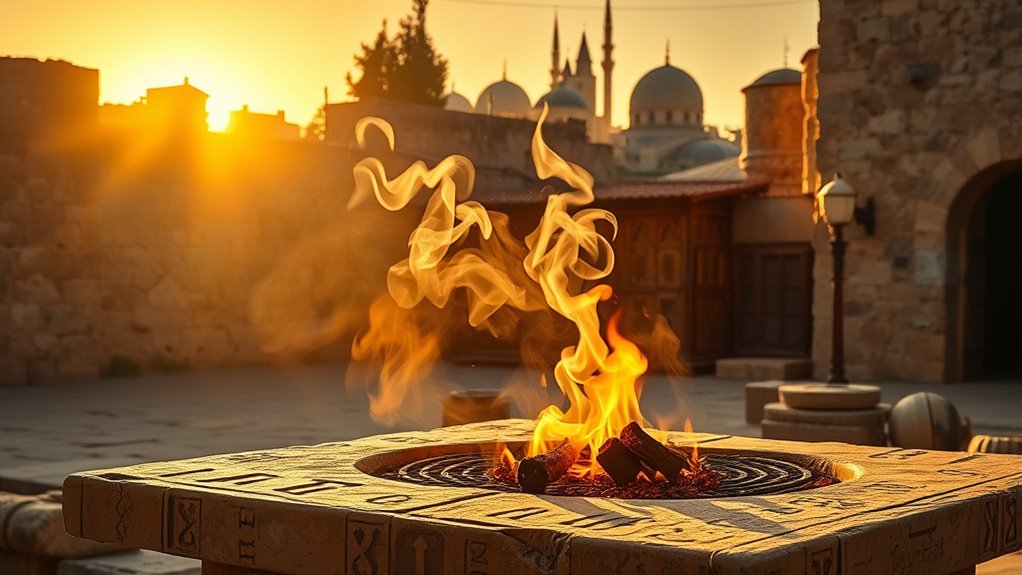
After years of pause, the resumption of sacrifices in Jerusalem marks a significant moment for many believers and communities. It evokes deep questions about biblical prophecies and what they might mean for the future. Throughout history, the practice of sacrifices has been central to Jewish worship, rooted in ancient temple practices described in the Bible. These practices included offering animals and grain on the altar, symbolizing atonement, gratitude, and divine fellowship. Many see the potential return of sacrifices as a fulfillment of biblical prophecies, especially those found in books like Ezekiel, which describe a future temple and renewed sacrifices as part of messianic restoration. For you, this moment feels almost prophetic—like witnessing a long-awaited chapter unfolding according to the ancient texts.
The return of sacrifices in Jerusalem echoes biblical prophecies and ancient temple practices, symbolizing hope and spiritual renewal.
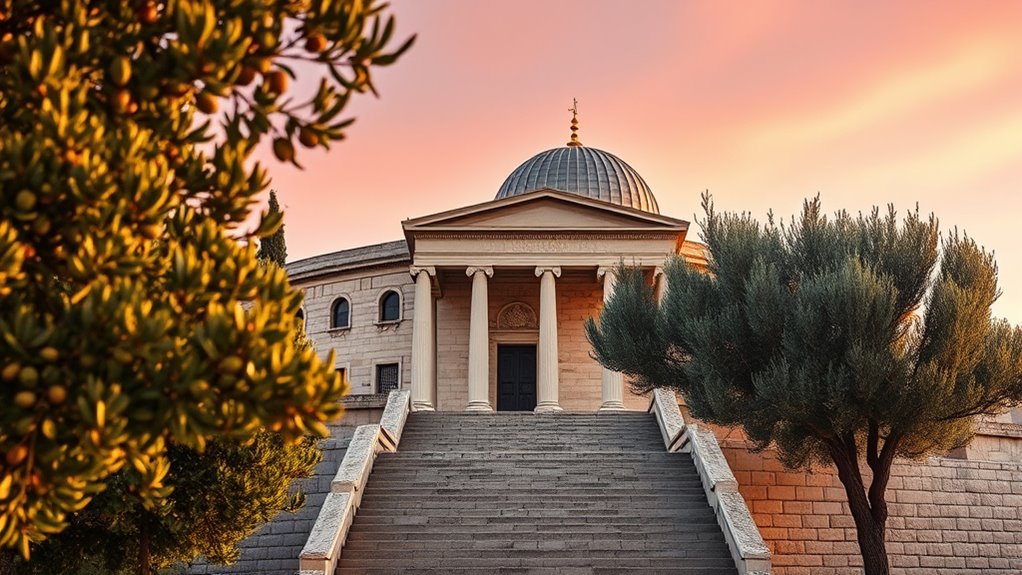
Biblical prophecies, especially in Ezekiel chapters 40-48, outline a detailed vision of a future temple and the resumption of sacrifices. These scriptures speak of a restored temple where sacrifices will be reinstituted, serving both spiritual and communal purposes. For many, these passages suggest that sacrifices are not merely historical rituals but also prophetic symbols of reconciliation and divine presence. The idea that sacrifices might be revived in Jerusalem sparks excitement and debate, as it seems to link biblical prophecy with current events. You might wonder if this signals the fulfillment of these scriptures or if it’s merely symbolic. Regardless, the connection to biblical prophecies adds a layer of significance, making this moment feel like a tangible link between ancient promises and present realities. Some scholars argue that understanding the ancient temple practices can deepen your appreciation of their significance today.
The historical temple practices provide context for understanding what this resumption could entail. In ancient times, the temple was the epicenter of worship, where priests performed daily sacrifices that were deeply embedded in religious life. These practices were carried out with meticulous detail, emphasizing purity, ritual, and obedience to God’s commandments. Today, returning to such practices would be a profound shift, echoing the rituals described in the Bible but adapted to modern circumstances. For you, observing or participating in these practices might evoke feelings of continuity and hope, as well as questions about the spiritual implications. Will this return to ancient rituals truly fulfill biblical promises, or will it serve as a symbolic act of faith? Regardless, it’s impossible to ignore the historical depth that these practices carry and their significance in shaping the future of worship in Jerusalem.
In this moment, you stand at a crossroads of history, prophecy, and faith. The potential resumption of sacrifices ties directly to biblical prophecies and ancient temple practices, making it a pivotal point for believers worldwide. Whether seen as a literal fulfillment or a symbolic gesture, it prompts reflection on divine promises and the enduring hope of spiritual renewal. As the future unfolds, this moment in Jerusalem will likely be remembered as a turning point—one that connects the past with the future in a profound way.
Frequently Asked Questions
How Soon Might Sacrifices Resume in Jerusalem?
Sacrifices might resume in Jerusalem if the Temple Restoration occurs swiftly, but Messianic Timing suggests it depends on divine plans and spiritual readiness. You should stay attentive to signs and prophetic events, as biblical timelines point to a future moment when the Temple is rebuilt and sacrifices are reinstated. It’s uncertain exactly when, but many believe it could happen shortly after key prophetic fulfillments.
What Are the Theological Implications of Resuming Sacrifices Now?
Imagine you’re part of a community resuming ancient rituals; it highlights the significance of atonement and ritual continuity. Resuming sacrifices now could reinforce the idea of divine favor and spiritual renewal but may also challenge modern views on spiritual atonement, emphasizing faith over rituals. It risks blending tradition with contemporary theology, raising questions about the true significance of sacrifices and whether they deepen or hinder personal and collective spiritual growth.
Are There Any Specific Biblical Prophecies About Sacrifices Returning?
Yes, biblical prophecy suggests sacrifices may return, symbolizing God’s ongoing covenant and sacrificial theology. For example, Ezekiel 40-48 describes a future temple where sacrifices are resumed, reflecting biblical symbolism of atonement and reconciliation. These prophecies highlight how sacrifices serve as a reminder of divine justice and mercy, emphasizing their spiritual significance rather than mere rituals. You should interpret these scriptures within their prophetic and theological context.
How Do Different Christian Denominations View the Resumption of Sacrifices?
You might wonder how different Christian denominations view the idea of sacrifices returning. Some, rooted in Christian theology, see the concept as symbolic, emphasizing Jesus’ ultimate sacrifice. Others respect Jewish traditions and believe future sacrifices could have prophetic significance. While some anticipate a literal resumption, many interpret it spiritually or as a metaphor. The suspense lies in whether these views will ever converge or remain distinct as history unfolds.
What Are the Political Challenges to Restoring Sacrifices in Jerusalem?
You face significant political challenges to restoring sacrifices in Jerusalem, including tensions between different faith groups and concerns over interfaith cooperation. Political stability is vital, as any move could ignite conflicts or undermine peace efforts. Negotiating with diverse stakeholders and ensuring respect for all religions becomes essential. Without fostering dialogue and mutual understanding, efforts to resume sacrifices will likely encounter resistance, risking further instability in this already sensitive region.
Conclusion
If sacrifices resume in Jerusalem, it could signal a turning point so monumental that even the heavens might tremble. This isn’t just about ancient rituals; it’s about awakening a divine power that could reshape the very fabric of existence. You might find yourself standing at the edge of a biblical prophecy coming alive, where history and eternity collide. Brace yourself—what happens next could change everything, forever.