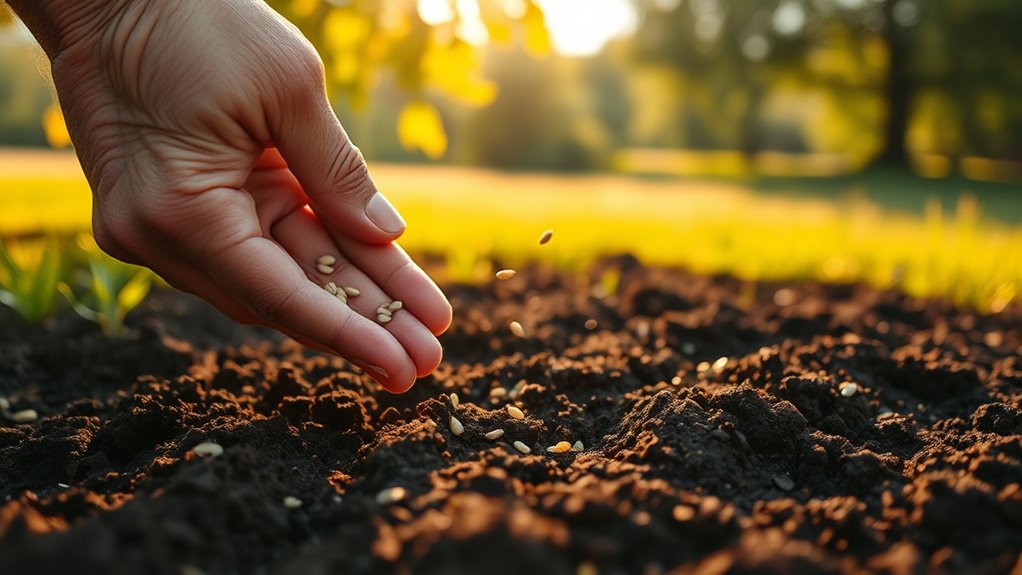

The Parable of the Sower teaches you that having an open and receptive heart is key to spiritual growth. You need to prepare your inner landscape by clearing doubts and negative thoughts, making room for new insights. Choosing the right seeds—truths aligned with your circumstances—and tending them with patience helps your understanding and faith flourish. By continuing on this path, you’ll discover how active effort and discernment deepen your spiritual journey.

Turn your quiet moments into listening time
- Thousands of audiobooks, podcasts and originals
- Listen on your phone, tablet or Echo — also offline
- Cancel anytime
Key Takeaways
- A receptive heart is essential for seeds of truth to take root and grow meaningfully.
- Hard or distracted hearts hinder spiritual understanding and block growth from divine messages.
- Cultivating humility and openness enhances the ability to receive and nurture spiritual insights.
- Choosing appropriate “seeds” or teachings aligned with one’s circumstances increases fruitfulness.
- Success in spiritual growth depends on both heart preparation and wise selection of teachings.
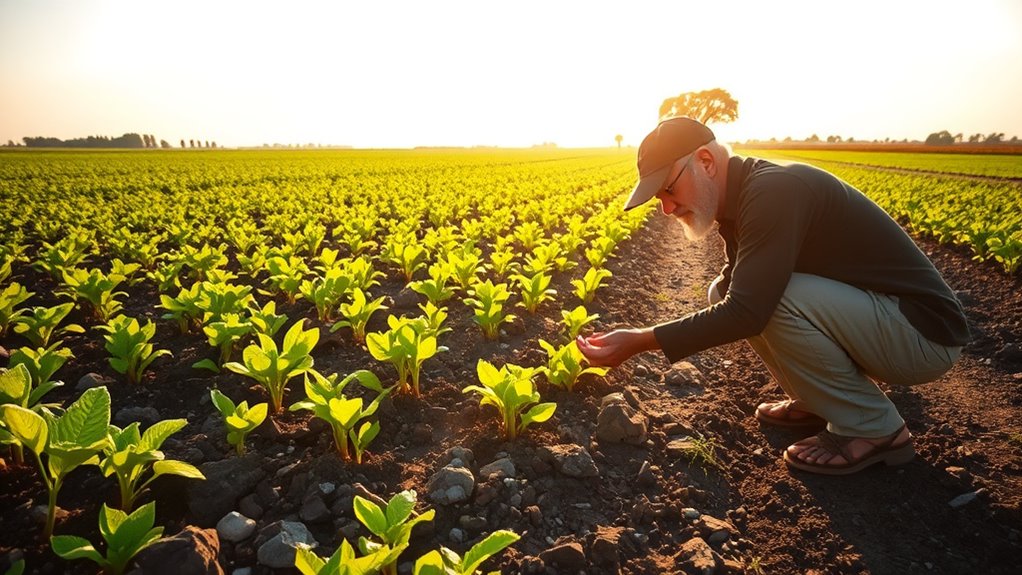
The Parable of the Sower offers timeless lessons about how people respond to new ideas and spiritual messages. When you look closely, it reveals that the way you receive and nurture these messages depends largely on the condition of your heart and environment. Just as a farmer prepares the soil before planting, you must also focus on soil preparation to truly receive and grow new insights. Soil preparation isn’t just about tilling the ground; it’s about clearing away distractions, doubts, and negative thoughts that can choke the growth of understanding. If your heart is hardened or preoccupied, even the best seed—meaning the truth or wisdom—won’t take root. You need to cultivate openness and receptivity, creating a fertile space where new ideas can flourish. This process involves examining your beliefs, removing biases, and fostering humility so that you’re ready to receive.
Seed selection is equally essential. Not every idea or message will resonate or grow in every situation. As a gardener carefully chooses the right seeds for specific soil, you should also discern which truths or teachings align with your life and readiness. The parable emphasizes that the seed represents the message itself, but its success depends on where and how it’s planted. If you select seeds of wisdom that match your current circumstances and spiritual needs, you’re more likely to nurture meaningful growth. Conversely, planting seeds that aren’t suitable or that you aren’t prepared to tend can lead to disappointment or even spiritual setbacks. Good seed selection means being intentional about what you absorb and how you apply it, ensuring that your spiritual garden remains healthy and fruitful.
Together, soil preparation and seed selection determine the outcome of your spiritual growth. When your heart is prepared properly—free from distraction, doubt, and negativity—and you choose your seeds wisely, you’re setting yourself up for a harvest that’s abundant and lasting. The parable encourages you to be proactive in cultivating your inner landscape, understanding that growth is a process requiring effort, discernment, and patience. It’s not enough to simply hear or receive the message; you must prepare your heart and choose what to nurture carefully. This way, the lessons from the parable become practical steps you can take to deepen your understanding and strengthen your faith, transforming the potential of every new idea into meaningful, lasting growth.
spiritual growth meditation journal
As an affiliate, we earn on qualifying purchases.
As an affiliate, we earn on qualifying purchases.
Frequently Asked Questions
How Can I Identify My Own Receptive or Hardened Heart?
To identify your receptive or hardened heart, start with heart reflection by honestly evaluating your emotional responses to spiritual growth and challenges. Do you feel enthusiastic to learn and change, or do you resist and dismiss new ideas? Conduct an openness assessment by examining whether you’re receptive to guidance and correction, or if you’re defensive and closed off. Recognizing these patterns helps you understand your heart’s condition and foster greater receptivity.
What Modern Examples Illustrate the Different Types of Soil?
You see modern examples of soil types in digital outreach, where some people quickly embrace new ideas like fertile soil, while others resist with hardened hearts, like rocky ground. Emotional resilience influences how receptive you are; if you’re resilient, you’re more open to growth despite setbacks. Conversely, emotional fragility can make you resistant, similar to thorny ground that chokes growth. Recognizing these patterns helps you understand your own receptiveness and openness to change.
How Does Cultural Context Influence the Parable’s Message?
Cultural influences carve the core of the parable’s message, shaping how you receive and respond to spiritual seeds. Societal norms can either hinder or help your heart’s receptivity, affecting growth and understanding. When cultural context varies, so does your interpretation, highlighting the importance of openness and awareness. Recognizing these influences allows you to cultivate a more receptive heart, ready to nurture meaningful spiritual growth amid diverse cultural landscapes.
Can the Parable Apply to Non-Spiritual Life Challenges?
Yes, the parable can apply to non-spiritual life challenges. You face situations where emotional resilience is essential, like steering relationship dynamics or overcoming setbacks. Just as the seed needs good soil to grow, your mindset and attitude influence your success. Recognizing how external factors affect your growth helps you stay receptive and adaptable, ultimately strengthening your ability to handle challenges with resilience and insight.
What Steps Can I Take to Cultivate a More Receptive Heart?
Remember, “A wise man listens more than he speaks.” To cultivate a more receptive heart, practice daily habits that foster emotional openness, like active listening and self-reflection. Stay curious, ask questions, and be open to new perspectives. Avoid judgment and embrace humility. These practical habits help you stay receptive, allowing growth and understanding to flourish, both spiritually and in everyday life.
Conclusion
So, you’d think a heart hardened by doubt wouldn’t catch the message at all. Yet, ironically, it’s often the most open ones that fall away, lost to distraction or comfort. The sower’s lesson is clear—you must cultivate your heart’s soil, or the seeds of truth won’t take root. Sometimes, it’s not a lack of opportunity but a lack of readiness that keeps you from truly receiving. Don’t wait for the perfect moment—plant your heart today.
Evergreen bestsellers Picks
bestsellers
As an affiliate, we earn on qualifying purchases.