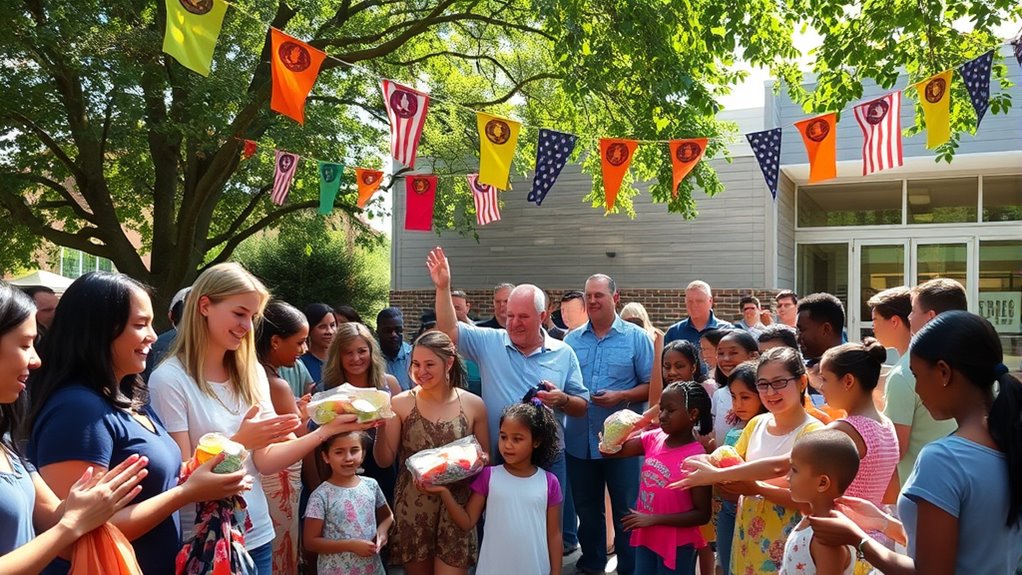

To connect with Gen Z, focus on authentic stories of those experiencing poverty and highlight your church’s social justice efforts. Encourage youth to lead projects that address local needs like hunger or homelessness, giving them ownership and purpose. Use social media to share real impacts and celebrate successes, inspiring ongoing involvement. Partner with others to create sustainable programs that empower young people as agents of change. Stay tuned to discover more ways to align your efforts with Gen Z values.
Key Takeaways
- Involve youth in planning and leading outreach projects addressing local issues like homelessness and food insecurity.
- Share authentic stories of community impact to inspire and motivate Gen Z participation.
- Focus on tangible, measurable change that demonstrates real progress in helping the poor.
- Use social media to highlight social justice efforts and create peer-driven engagement opportunities.
- Partner with youth for sustainable programs that foster leadership, ownership, and long-term commitment.

As Generation Z becomes more influential in shaping social values, churches have a unique opportunity to connect with their priorities and make a meaningful difference for the poor. This generation values authenticity, social justice, and community engagement, which means your church can reach them by focusing on effective community outreach and youth empowerment initiatives. Instead of traditional charity models, think about creating programs that involve young people directly in addressing local needs. When you involve them in community outreach, you give them a sense of ownership and purpose, which resonates deeply with their desire to make an impact. Encourage them to identify issues in their neighborhoods—whether it’s food insecurity, homelessness, or lack of access to education—and then develop projects that actively address these concerns.
Youth empowerment is central to engaging Generation Z. They want to be active participants, not passive recipients. You can facilitate this by providing leadership opportunities within outreach programs, such as organizing food drives, volunteering at shelters, or mentoring younger children. When young people feel empowered, they’re more likely to stay committed and develop a long-term passion for service. This approach also helps foster a sense of community, showing them that their efforts genuinely matter. It’s essential to create a space where their voices are heard, and their ideas are valued. By doing so, you transform your church from simply a place of worship into a hub of social change driven by youth.
Furthermore, your messaging should align with their values—highlighting social justice, equality, and tangible change. Use social media platforms to showcase stories of impact, share opportunities for involvement, and celebrate successes. This not only keeps them engaged but also encourages peer involvement. Incorporating their perspectives into planning and decision-making demonstrates respect and fosters genuine partnership. Remember, Generation Z is motivated by authenticity; thus, showing real results and sharing honest stories about the struggles and victories in community outreach will build trust and inspire ongoing support.
Additionally, understanding the importance of affiliates and third-party partnerships can help amplify your efforts and create sustainable programs that resonate with young people looking for authentic change. Ultimately, by prioritizing community outreach and youth empowerment, your church can become a catalyst for change that resonates with Generation Z’s core values. It’s about creating meaningful experiences that equip young people to lead efforts against poverty and social injustice. When they see their faith translating into action that makes a tangible difference, they’ll be motivated to stay involved and carry those efforts forward. This approach not only helps the poor but also nurtures a new generation of compassionate, active believers committed to transforming their communities.
Frequently Asked Questions
How Can Churches Measure the Impact of Their Aid Programs?
You can measure your aid programs’ impact by conducting impact assessments regularly and collecting relevant data. Use surveys, interviews, and tracking tools to gather information on how aid reaches and benefits the community. Data collection helps you monitor progress, identify areas for improvement, and demonstrate accountability. Consistently analyzing this data allows you to understand your programs’ true effectiveness and make informed decisions to better serve those in need.
What Strategies Encourage Gen Z to Participate Consistently?
You can ignite youth engagement by tapping into peer influence, creating a sense of community that feels authentic and relatable. When Gen Z sees their friends actively participating, they’ll be drawn in, enthusiastic to stay involved. Use impactful stories, social media, and shared goals to build momentum. Keep the experience dynamic and meaningful, and watch how consistent participation becomes a natural part of their lives, driven by authentic peer connections.
How Do Churches Address Cultural Differences Within Impoverished Communities?
You should prioritize cultural sensitivity by actively listening to community members and respecting their traditions. Engage with diverse groups through community events, fostering genuine connections. By understanding different cultural backgrounds, you create an inclusive environment that encourages participation. Your efforts in community engagement demonstrate respect and build trust, making impoverished communities feel valued and understood, ultimately helping them access the support they need while honoring their unique cultural identities.
What Role Does Technology Play in Outreach Efforts?
Technology plays a crucial role in your outreach efforts by enabling digital engagement through social media platforms. You can reach more people quickly, share inspiring messages, and promote community events where they’re most active. By leveraging social media, you connect with Gen Z and other vulnerable groups, fostering relationships and providing support. This approach makes your outreach more accessible, relevant, and effective in addressing the needs of impoverished communities.
How Can Churches Balance Immediate Aid With Long-Term Empowerment?
You can’t afford to ignore either—immediate aid or long-term empowerment—if you want real change. Focus on sustainable development by providing tools, education, and opportunities that foster independence. Engage deeply with your community, listening to their needs and building trust. Balance acts of kindness with strategic initiatives, ensuring that today’s help becomes tomorrow’s empowered, thriving community members. This approach transforms charity into lasting empowerment.
Conclusion
By embracing Gen Z’s priorities, your church can be a beacon of hope, much like a lighthouse guiding ships through storms. When you meet their desire for authentic service and social justice, you create a lasting impact. Remember, just as a small spark can ignite a wildfire, your genuine efforts can inspire a movement of compassion. Together, you can turn small acts into a powerful force for change in the fight against poverty.